
➤ What it is
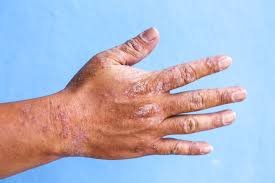
Bowen’s Disease is a form of squamous cell carcinoma in situ, meaning it is an early stage of skin cancer that is confined to the outermost layer of the skin (epidermis). Unlike invasive cancer, it has not yet penetrated deeper layers, which makes early treatment highly effective.
It typically appears as a slow-growing, red, scaly patch or plaque that may resemble eczema, psoriasis, or actinic keratosis. Lesions are usually flat but can sometimes be slightly raised and may itch or crust. The most common sites are sun-exposed areas, such as the face, neck, hands, and legs, though it may appear anywhere on the body.
Management of Bowen’s Disease is crucial because, if left untreated, it can progress into invasive squamous cell carcinoma, which carries a risk of metastasis (spreading to other organs).
In Korea, where dermatology integrates both medical oncology and cosmetic skincare, Bowen’s disease management is carried out with cutting-edge technology, meticulous follow-up, and cosmetic-conscious approaches.
➤ Why it’s done
The main goals of Bowen’s disease management are medical, preventive, and cosmetic:
- Preventing Cancer Progression ⮕ Early treatment stops the disease from advancing into invasive skin cancer.
- Symptom Relief ⮕ Red, scaly, and itchy plaques can cause discomfort; management improves skin quality.
- Reducing Recurrence ⮕ Treated properly, the risk of recurrence is minimized.
- Cosmetic Preservation ⮕ Since lesions are often on visible areas, treatment helps restore skin smoothness and uniform tone.
In Korea, patients seek management early not only for health reasons but also to maintain clear, blemish-free skin, which is considered an important aspect of self-care and confidence.
➤ Alternatives
Multiple therapeutic options exist for managing Bowen’s disease, and the choice depends on lesion size, location, patient age, and cosmetic considerations:
- Topical Therapies
- 5-Fluorouracil cream → Destroys abnormal cancerous cells.
- Imiquimod cream → Activates immune response to attack atypical cells.
- Diclofenac gel → Sometimes used in less aggressive cases.
- Cryotherapy
- Freezing with liquid nitrogen destroys abnormal cells.
- Quick and effective, though sometimes leaves lighter patches.
- Photodynamic Therapy (PDT)
- Involves applying a photosensitizing agent followed by targeted light exposure.
- Very common in Korea, where it is favored for its precision and minimal scarring.
- Laser Therapy
- CO₂ or Erbium lasers ablate lesions with accuracy while rejuvenating skin.
- Particularly useful for cosmetically sensitive areas (face, neck).
- Surgical Excision
- Removing the lesion with a margin of healthy skin.
- Used when lesions are large, resistant, or at high risk of progression.
- Curettage and Electrocautery
- Scraping away the lesion and using heat to destroy remaining cells.
- Practical for well-defined lesions.
- Observation
- Rarely recommended; in Korea, early proactive treatment is the norm.
➤ Preparation
Preparation before treatment ensures safety, efficacy, and cosmetic quality:
- Medical Evaluation
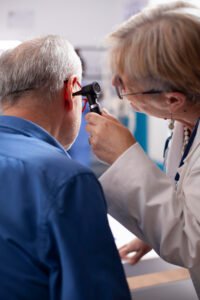
- Dermatological exam with dermatoscope.
- Biopsy to confirm diagnosis and rule out invasive cancer.
- Assessment of medical history, especially immune status and medications.
- Skin Care Preparations
- Avoid tanning or direct sun exposure before therapy.
- Discontinue irritant skincare products (retinoids, acids) 1–2 weeks prior.
- Moisturize regularly to strengthen skin barrier.
- Korean Clinical Practices
- Pre-treatment skincare often includes hydration masks, gentle exfoliation, and LED light therapy to prime the skin.
- Patients receive detailed sun protection counseling, since UV damage is the main trigger for recurrence.
➤ How it’s Done
The approach to Bowen’s Disease Management varies depending on the chosen therapy:
1. Topical Therapy
- Applied daily for several weeks.
- Causes local inflammation and gradual peeling of abnormal cells.
- Requires consistency and regular dermatologist follow-up.
2. Cryotherapy
- A jet of liquid nitrogen freezes the lesion.
- Lesion peels and sheds within 1–2 weeks.
- May require repeat sessions for larger patches.
3. Photodynamic Therapy (PDT)
- A photosensitizing cream is applied to the lesion.
- After 1–3 hours, a special red or blue light activates the agent.
- Abnormal cells are selectively destroyed.
- In Korea, PDT is commonly combined with calming facials or LED treatments for faster recovery.
4. Laser Therapy
- Fractional CO₂ or Erbium lasers ablate diseased tissue.
- Leaves surrounding healthy skin intact.
- Simultaneously stimulates collagen for rejuvenation.
5. Surgical Excision
- The lesion and a surrounding margin of skin are removed under local anesthesia.
- Stitches may be required.
- Reserved for resistant or suspicious lesions.
6. Curettage and Electrocautery
- Lesion is scraped off, and the base is burned with heat.
- Quick but requires precise technique to avoid scarring.
➤ Recovery
Recovery varies depending on treatment but generally includes healing time, skincare, and sun protection:
- Topical Therapy:
- Redness, peeling, and irritation during treatment course.
- Skin normalizes within a few weeks after stopping.
- Cryotherapy:
- Redness, blistering, and crusting for 1–2 weeks.
- Area heals with mild pinkness that fades gradually.
- PDT:
- Redness and peeling for 5–10 days.
- Korean clinics often add calming hydrogel masks and LED therapy to minimize discomfort.
- Laser Therapy:
- Peeling, redness, and mild swelling for 1–2 weeks.
- Results in smoother, rejuvenated skin.
- Surgery:
- Wound healing takes 1–3 weeks depending on lesion size.
- Scar care (silicone gels, laser scar therapy) is emphasized in Korea.
General Aftercare:
- Apply moisturizers and wound-healing ointments.
- Avoid scratching or picking scabs.
- Daily sunscreen is mandatory to prevent recurrence.
- Korean aftercare often includes clinic-based follow-ups with professional cleansing, soothing masks, and scar prevention programs.
➤ Complications
While treatments are effective, some complications may occur:
- Common side effects: redness, swelling, mild discomfort.
- Skin discoloration: lighter or darker patches after healing.
- Scarring: rare, especially with modern Korean techniques.
- Infection: uncommon but possible if wound care is neglected.
- Recurrence: lesions can return, so long-term follow-up is needed.
- Progression: untreated Bowen’s disease can evolve into invasive squamous cell carcinoma.
Korea’s cosmetic-driven dermatology emphasizes minimizing scars and pigmentation issues, using advanced technologies and supportive skincare.
➤ Treatment Options in Korea
Korea is a world leader in dermatological innovation and cosmetic dermatology integration. Bowen’s disease management in Korea stands out for:
- Advanced Technologies → State-of-the-art PDT machines, fractional CO₂ lasers, and surgical precision tools.
- Combination Approaches → For example, PDT plus laser resurfacing for lesion clearance and skin rejuvenation.
- Cosmetic Prioritization → Treatments not only remove diseased tissue but also improve skin appearance.
- Holistic Dermatology Programs → Korean clinics combine oncologic care with aesthetic skincare, offering hydration, anti-pigmentation, and rejuvenation regimens after therapy.
- Medical Tourism Appeal → International patients seek Korean care for its precision, advanced devices, and aesthetic-conscious outcomes.
Popular Korean Approaches for Bowen’s Disease:
- Photodynamic Therapy: considered a gold standard for its precision and minimal scarring.
- Laser Therapy: especially fractional lasers, favored for face and neck lesions.
- Surgical and non-surgical integration: resistant cases managed surgically, followed by cosmetic scar-minimizing programs.
✨ Final Thoughts
Bowen’s Disease Management in Korea represents the perfect blend of cancer prevention and cosmetic excellence. With therapies ranging from topical medications and PDT to advanced lasers and surgery, Korean dermatology ensures both medical safety and aesthetic refinement.
By addressing lesions early, progression to invasive cancer is prevented, while maintaining the smooth, radiant skin that is so highly valued in Korean culture. This holistic, technology-driven approach makes Korea one of the best destinations in the world for Bowen’s disease management.