Safe and Effective Care for Breakouts on the Back, Chest, and Beyond
What it is
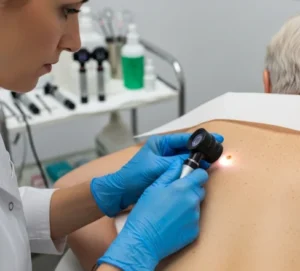
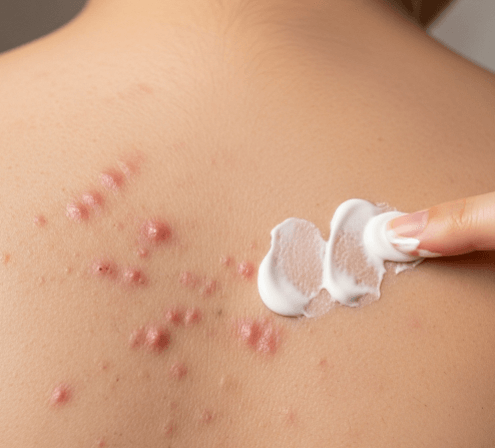
Body acne refers to acne that develops on areas other than the face — most commonly on the back, chest, shoulders, and buttocks. Like facial acne, body acne arises when pores become clogged with oil, dead skin cells, and bacteria.
→ Hormones, excessive sweating, tight clothing, and certain skincare products often make body acne worse.
➝ Unlike facial acne, body acne tends to cover larger surface areas, making it harder to manage at home.
➔ Body acne treatment involves a mix of topical medications, oral therapies, lifestyle adjustments, and clinical procedures designed to restore clear, healthy skin.
Why it’s done
Body acne can affect daily life, comfort, and self-confidence. Treatment is done because:
- Physical discomfort ⇒ Painful cysts or inflamed lesions on the back can interfere with sleep, exercise, or wearing certain clothes.
- Self-image ⇒ Visible acne on the chest, shoulders, or arms can reduce confidence, especially in social or summer settings.
- Scarring risk ➳ Untreated body acne often leaves deep scars and dark marks.
- Resistant nature ➟ Body acne is usually more stubborn than facial acne due to thicker skin and larger oil glands.
- Prevention of recurrence ⇒ Proper treatment addresses underlying triggers and prevents future breakouts.
Alternatives
For those who cannot access professional body acne clinics, alternatives include:
→ Over-the-counter washes: Body cleansers with benzoyl peroxide or salicylic acid.
➝ Home remedies: Oatmeal baths ; diluted tea tree oil ; apple cider vinegar sprays.
➔ Lifestyle adjustments: Showering immediately after workouts ; wearing breathable fabrics ; reducing high-glycemic foods.
⇒ General dermatology visits: Even non-specialized clinics can provide effective acne prescriptions.
➟ DIY exfoliation: Using gentle body scrubs or AHA/BHA lotions to keep pores clear (but avoiding harsh scrubbing).
Preparation
Before starting body acne treatment, preparation is important.
➳ Identify triggers: Check if acne worsens with sweat, certain foods, or skincare products.
➝ Review current body care: Heavy lotions, fragranced oils, or pore-clogging sunscreens may be making acne worse.
→ Medical history: Note family history of acne, allergies, and current medications.
➟ Set realistic expectations: Body acne usually takes longer to treat than facial acne because of the thicker skin.
➔ Consult a dermatologist: To confirm whether breakouts are acne or another condition such as folliculitis or fungal infection.
How it’s Done
Body acne treatment involves both at-home care routines and professional clinic procedures.
At-Home Care
→ Medicated Body Washes: Cleansers with benzoyl peroxide (2–10%) or salicylic acid help unclog pores and reduce bacteria.
➝ Moisturizing: Oil-free, non-comedogenic lotions with ceramides or aloe vera prevent dryness.
➔ Exfoliation: Gentle AHA or BHA lotions applied weekly help shed dead skin cells.
⇒ Sun Protection: Lightweight, non-comedogenic sunscreens prevent dark spots from worsening.
➟ Clothing Choices: Loose, breathable fabrics reduce sweat buildup and irritation.
In-Clinic Treatments in Korea
→ Chemical Peels (medium depth): Salicylic or glycolic acid peels applied to the back or chest reduce oil production and exfoliate.
➝ LED Light Therapy: Blue light kills acne-causing bacteria ; red light calms inflammation.
➔ Laser Therapy: Fractional lasers target deep scars and stubborn cystic acne.
➟ Microneedling: Stimulates collagen to heal acne scars and smooth uneven texture.
⇒ Oral Medications: Dermatologists may prescribe antibiotics, hormonal therapy for women, or isotretinoin for severe acne.
Recovery
Recovery from body acne treatment depends on the severity.
→ Mild acne may improve within 6–8 weeks of consistent home care.
➝ After chemical peels, mild redness or peeling may occur but usually subsides within a few days.
➔ Scar treatments like microneedling or lasers require multiple sessions over months.
➟ Long-term recovery relies on consistent skincare, proper hygiene, and dietary awareness.
Complication
Body acne treatments are safe but possible complications include:
→ Dryness or irritation: Overuse of medicated washes or creams.
➝ Sun sensitivity: After peels or laser treatments, skin is more vulnerable to UV damage.
➔ Scarring: Severe untreated acne can leave permanent marks.
⇒ Hyperpigmentation: Dark spots often linger after acne heals, especially in deeper skin tones.
➟ Emotional frustration: Body acne may not improve quickly, causing stress or discouragement.
Treatment option in Korea
South Korea is a global hub for advanced acne care, and body acne treatments are widely available.
→ Dermatology Clinics: Clinics in Seoul, Busan, and Daegu specialize in acne programs for both the face and body.
➝ Customized Programs: Korean dermatologists often combine chemical peels, LED therapy, and oral medication for holistic care.
➔ Scar Management: Fractional lasers, RF microneedling, and stem cell facials are popular for treating body acne scars.
➟ K-Beauty Products: Brands like COSRX ; Some By Mi ; and Benton offer body washes, sprays, and lotions specifically for body acne.
⇒ Post-Treatment Packages: Clinics often provide follow-up care programs to prevent recurrence and maintain clear skin long-term.