What it is
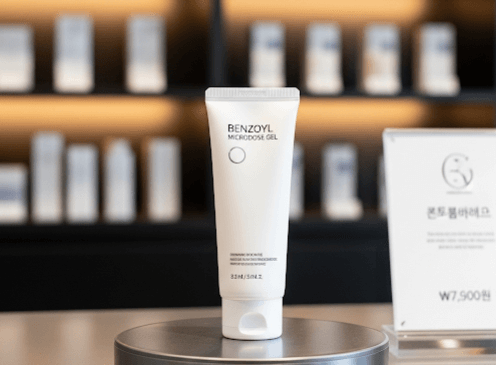
Benzoyl microdose gel is a topical acne treatment that delivers benzoyl peroxide (BPO) in very low, controlled concentrations to minimize irritation while still targeting acne-causing bacteria (Cutibacterium acnes).
Benzoyl peroxide is a proven anti-acne ingredient, but in traditional higher strengths (5–10%) it can cause redness, dryness, peeling, and sensitivity. The microdose format—often between 0.1–2.5%, or formulated in time-release systems—makes it suitable for sensitive, Asian, or post-treatment skin.
In Korea, benzoyl microdose gels are becoming popular as part of gentle acne protocols, often prescribed by dermatologists or included in cosmeceutical acne care lines.
Why it’s done
- Kills acne-causing bacteria effectively (reduces inflammation)
- Prevents clogged pores by keeping follicles clear
- Reduces acne flare-ups without overwhelming the skin
- Minimizes side effects compared to traditional higher-strength BPO gels
- Supports combination therapy with retinoids, niacinamide, or antibiotics
- Safe for long-term use when titrated properly
Alternatives
- Retinoids → adapalene, tretinoin, retinal (unclog pores, regulate turnover)
- Salicylic acid (BHA) → exfoliates inside pores
- Azelaic acid → antibacterial + pigmentation care
- Topical antibiotics (clindamycin, erythromycin) → but resistance risk is higher than with BPO
- Tea tree or propolis serums → natural anti-inflammatory alternatives
In Korean acne care, benzoyl microdose gels are often combined with non-comedogenic routines, oil-control cleansers, and soothing serums.
Preparation
- Skin evaluation → dermatologist determines acne type (inflammatory vs comedonal)
- Patch test → apply small amount on jawline for 2–3 days to check irritation
- Barrier prep → start with ceramide moisturizers and panthenol to strengthen skin before BPO use
- Expectation counseling → purging or mild peeling may occur during first 1–2 weeks
How it’s Done
Application guidelines
- Use at night on clean, dry skin
- Apply a thin layer or spot treatment on acne areas
- Start 2–3 nights per week, then increase to every other night as tolerated
- Always follow with moisturizer to prevent dryness
- Pair with SPF during the day (BPO increases photosensitivity)
Combination strategies in Korea
- With retinoids → alternate nights or use microdose BPO in mornings, retinoid at night
- With niacinamide → strengthens barrier, reduces irritation risk
- With antibiotics → increases effectiveness and prevents resistance
Recovery
- 1–2 weeks → mild peeling or dryness (retinization-like phase)
- 4 weeks → fewer inflammatory pimples, less redness
- 8–12 weeks → stable acne control, reduced breakouts
- 3–6 months → visible improvement in acne scars and pigmentation due to fewer flare-ups
Korean dermatology clinics may add:
✔️ Soothing facials post-BPO initiation
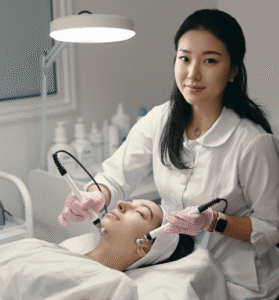
✔️ LED blue light therapy for additional antibacterial action
✔️ Customized acne kits (cleanser + niacinamide serum + ceramide cream + microdose BPO gel)
Complications
- Irritation, peeling, dryness if applied too often or too much
- Fabric bleaching → BPO can bleach pillowcases, clothing
- Rare allergic contact dermatitis
- Overuse may lead to barrier breakdown, worsening sensitivity
Korean dermatologists reduce these risks with “microdose protocols” — low strength, slow titration, and pairing with barrier repair creams.
Treatment Options in Korea
Key features of benzoyl microdose gels in Korea
- Concentrations usually 0.1–2.5% (vs 5–10% in Western markets)
- Often formulated with hydrating bases (glycerin, hyaluronic acid)
- Some blends include niacinamide or panthenol to reduce irritation
Popular Korean acne-care lines (with BPO alternatives)
- Dr. Different → dermatologist-developed acne treatments
- COSRX AC Collection → soothing acne care with centella and niacinamide
- Some By Mi → lightweight acne patches + exfoliating cleansers (though not pure BPO, often combined with acids)
Signature Korean acne protocols
- Mild acne → salicylic cleanser + niacinamide serum + BPO microdose gel at night
- Moderate acne → retinoid (adapalene) + alternating BPO microdose gel
- Inflammatory acne → BPO gel + oral supplements (zinc, vitamin D) + clinic LED therapy
- Post-acne pigmentation → BPO gel + azelaic acid + mineral sunscreen
Medical tourism approach
Many Seoul dermatology clinics give benzoyl microdose gels as part of take-home acne kits for international patients, ensuring continued acne management after professional treatments.
Key Point
Benzoyl microdose gel in Korea is a gentle yet effective acne treatment that delivers antibacterial power with minimal irritation. When combined with non-comedogenic routines, soothing K-beauty actives, and clinic-based therapies, it helps patients achieve clearer skin, reduced breakouts, and improved tolerance compared to traditional high-strength benzoyl peroxide treatments.