Specialized Treatment for Acne and Irritation in the Beard Area
What it is
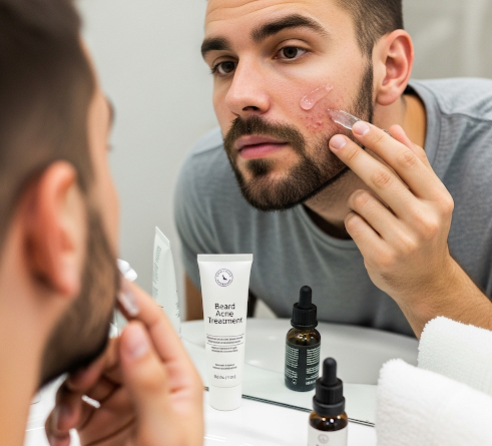
Beard acne is a form of acne that develops in the facial hair region — most often on the cheeks, jawline, chin, and neck where men grow beards. It may appear as red bumps, whiteheads, pustules, or ingrown hairs.
→ This condition is commonly caused by blocked pores, bacterial buildup, ingrown hairs, and irritation from shaving.
➝ It is often linked to folliculitis (inflammation of hair follicles), but true acne breakouts can also occur due to excess sebum production.
➔ Beard acne care involves professional dermatology treatments and daily routines designed to reduce irritation, prevent clogged pores, and manage hair growth safely.
Why it’s done
Beard acne care is important for men because:
- Physical discomfort ⇒ Pimples in the beard area can be painful, especially when shaving.
- Appearance ⇒ Breakouts in visible areas like the chin or jawline affect confidence.
- Ingrown hairs ➳ Improper shaving techniques cause hair to curl back into the skin, leading to bumps and infection.
- Bacterial buildup ➟ Facial hair can trap dirt, oil, and sweat, increasing the risk of acne.
- Scarring ⇒ Repeated inflammation without care may lead to dark spots or permanent scars.
The goal of beard acne care is to reduce irritation, control acne flare-ups, and restore smooth skin while allowing healthy beard growth.
Alternatives
If beard acne clinics are not available, alternatives include:
→ Home shaving adjustments: Use single-blade razors ; shave in the direction of hair growth ; replace blades frequently.
➝ Over-the-counter acne products: Cleansers with benzoyl peroxide ; salicylic acid ; or sulfur-based washes.
➔ Beard hygiene: Wash beard twice daily with gentle cleansers to remove oil and bacteria.
⇒ Beard oils (non-comedogenic): Lightweight oils like argan or jojoba can condition hair without clogging pores.
➟ Diet and lifestyle changes: Reducing high-glycemic foods and dairy may decrease flare-ups.
Preparation
Before beginning beard acne treatment, certain steps improve results:
➳ Consult a dermatologist: To confirm whether the problem is acne, folliculitis, or both.
➝ Stop harsh shaving practices: Avoid multi-blade razors and aggressive shaving creams.
→ Check skincare products: Heavy balms, pore-clogging beard oils, and alcohol-based aftershaves should be avoided.
➟ Lifestyle review: Sleep schedule ; diet ; stress levels should be discussed, since these factors influence acne.
➔ Set expectations: Beard acne care requires patience, as results may take weeks to months.
How it’s Done
Beard acne care in Korea combines professional clinical treatments with daily home maintenance routines.
In-Clinic Treatments
→ Deep Cleansing Facials for Men: Focused on unclogging pores around beard hair follicles.
➝ Chemical Peels (low concentration): Salicylic acid or glycolic acid peels reduce oil and exfoliate dead skin, helping prevent ingrown hairs.
➔ LED Light Therapy: Blue light kills acne-causing bacteria, while red light reduces inflammation.
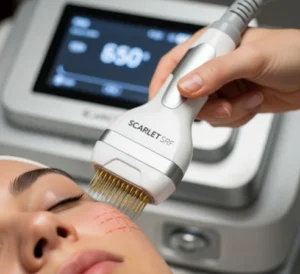
➟ Microneedling (if scarring is present): Stimulates collagen production to reduce acne scars in the beard area.
⇒ Topical or Oral Medications: Dermatologists may prescribe antibiotics, retinoids, or anti-inflammatory creams depending on severity.
Daily Routine Guidance
→ Cleansing: Wash beard area twice daily with a gentle foaming cleanser.
➝ Exfoliation: Use mild exfoliants (salicylic acid wipes or enzyme scrubs) 2–3 times per week to prevent clogged follicles.
➔ Beard Care: Use non-comedogenic beard oils ; avoid heavy waxes or balms that can block pores.
➟ Shaving Techniques: Use warm water to soften hair ; shave in the direction of growth ; apply soothing gel afterward.
⇒ Moisturizing: Lightweight, oil-free moisturizers keep the skin barrier healthy.
Recovery
Recovery from beard acne treatment depends on the severity.
→ Mild acne improves within 4–6 weeks of proper clinic care and routine changes.
➝ After peels or facials, mild redness may occur but fades within a day.
➔ Scar recovery with microneedling or laser requires multiple sessions over several months.
➟ Long-term recovery is maintained by consistent beard hygiene and safe shaving practices.
Complication
Potential complications of beard acne care include:
→ Skin irritation: Overuse of peels or harsh cleansers can worsen inflammation.
➝ Shaving cuts: Improper technique can lead to bacterial infection.
➔ Scarring: Deep cystic acne in the beard area may leave long-term marks.
⇒ Ingrown hairs: If beard maintenance is ignored, ingrown hairs may return.
➟ Product reactions: Heavy oils, balms, or aftershaves may trigger allergic or acne-like reactions.
Treatment option in Korea
South Korea is a leader in men’s skincare, offering advanced beard acne care.
→ Men’s Dermatology Clinics: Seoul, Busan, and Incheon have clinics specializing in male skin issues, including beard acne and ingrown hair treatment.
➝ Tailored Treatments: Korean dermatologists create plans that combine facials, peels, LED therapy, and medications specifically for men’s skin.
➔ K-Beauty Men’s Skincare Lines: Brands like Laneige Homme ; Innisfree Forest for Men ; and Missha Homme offer acne-safe products.
➟ Shaving Innovations: Clinics often teach proper shaving techniques and recommend beard trimmers to reduce irritation.
⇒ Scar Prevention Programs: Korean clinics emphasize not only acne removal but also scar management, with microneedling, fractional laser, or stem-cell facials.