➤ What it is
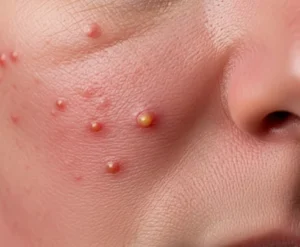
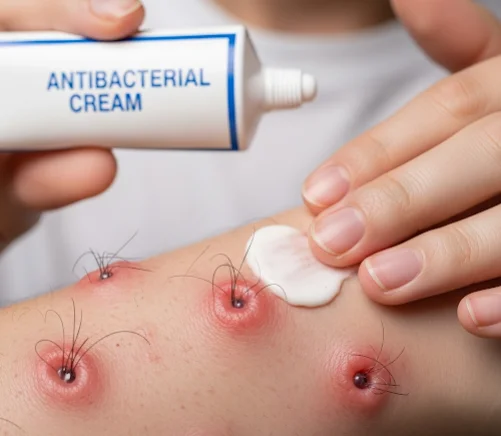
Bacterial Folliculitis is an infection and inflammation of the hair follicles, typically caused by Staphylococcus aureus, though other bacteria may be involved. It manifests as small red bumps, pus-filled pimples, or itchy clusters of lesions centered around hair follicles.
Common locations include the scalp, face, beard area (in men), chest, back, buttocks, thighs, and legs. In some cases, folliculitis can progress to furuncles (boils) or carbuncles if deeper infection occurs.
Triggers include:
- Shaving or hair removal,
- Friction from tight clothing,
- Excess sweating,
- Use of occlusive skincare products,
- Hot tub or swimming pool exposure (if water is contaminated).
In Korea, bacterial folliculitis care blends medical dermatology, skincare science, and cosmetic recovery programs. This ensures not only clearance of infection but also prevention of scarring and pigmentation issues, which are culturally significant in a skin-conscious society.
➤ Why it’s done
Treatment of bacterial folliculitis is essential for several reasons:
- Infection Control → Prevents spread or worsening of bacterial infection.
- Symptom Relief → Reduces itching, pain, and tenderness.
- Preventing Complications → Stops folliculitis from progressing to boils or deep tissue infections.
- Cosmetic Restoration → Minimizes scarring, dark spots, and skin unevenness.
- Recurrence Prevention → Chronic folliculitis can repeatedly affect quality of life if not managed.
In Korea, dermatologists emphasize early intervention to preserve skin clarity, combining antimicrobial therapy with skincare solutions that restore smoothness and balance.
➤ Alternatives
Care for bacterial folliculitis includes several approaches:
Topical Therapies (Mild to Moderate Cases)
- Antibacterial creams or ointments (mupirocin, fusidic acid).
- Antiseptic washes (chlorhexidine, benzoyl peroxide).
- Topical antibiotics applied for localized lesions.
Systemic Therapies (Severe or Resistant Cases)
- Oral antibiotics (dicloxacillin, cephalexin, doxycycline).
- Oral anti-inflammatories if significant swelling is present.
Procedural Approaches
- Drainage of boils if abscesses develop.
- Laser hair removal for recurrent folliculitis caused by shaving irritation (common in Korean clinics).
Lifestyle and Supportive Care
- Proper hygiene with gentle cleansers.
- Avoiding occlusive products or oils that clog follicles.
- Wearing loose, breathable clothing.
Korean Dermatology Alternatives
- LED light therapy (blue light to target bacteria, red light to reduce inflammation).
- Soothing facials with antibacterial serums and calming masks.
- Exfoliation programs to unclog pores while minimizing irritation.
➤ Preparation
Before treatment, preparation is important for accurate diagnosis and better outcomes:
- Clinical Evaluation
- Dermatologist inspects lesions under magnification.
- Swab or culture may be taken to identify the bacteria and antibiotic sensitivity.
- Pre-Treatment Skin Care
- Avoid shaving or waxing the affected area until cleared by a dermatologist.
- Stop applying steroid creams, which worsen folliculitis.
- Use gentle, non-comedogenic moisturizers.
- Lifestyle Adjustments
- Avoid hot tubs, gyms, and swimming pools until infection improves.
- Change clothing and towels daily.
- Korean Clinic Preparation
- Clinics often perform gentle cleansing facials, antibacterial washes, or pre-treatment masks before applying medical therapy.
➤ How it’s Done
Bacterial Folliculitis Care in Korea is structured step by step:
1. Topical Antimicrobial Therapy
- Application of mupirocin or fusidic acid to lesions.
- Antiseptic washes (benzoyl peroxide, chlorhexidine) used daily.
2. Systemic Antibiotic Therapy (If Needed)
- Oral antibiotics prescribed for widespread or resistant folliculitis.
- Chosen based on bacterial culture results.
3. Korean Dermatology Adjuncts
- LED light therapy → Blue light reduces bacterial growth, red light calms inflammation.
- Exfoliation programs → Enzyme-based or chemical exfoliation to unclog follicles.
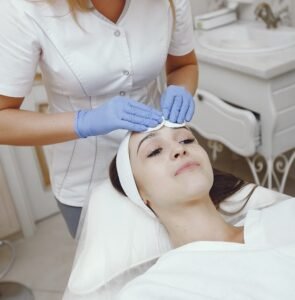
- Antibacterial facials → Korean clinics often combine extractions, soothing serums, and calming masks.
4. Laser Hair Removal (for recurrent folliculitis)
- Particularly for beard-area or ingrown-hair folliculitis.
- Prevents regrowth that triggers new infections.
5. Supportive Care
- Barrier-repair moisturizers.
- Sunscreen to prevent pigmentation changes in healing lesions.
- Counseling on hygiene, clothing, and product choices.
➤ Recovery
Recovery depends on severity and treatment adherence:
- Mild Cases
- Clear within 1–2 weeks with topical therapy.
- Moderate to Severe Cases
- Oral antibiotics required, typically 2–4 weeks.
- Chronic/Recurrent Cases
- Long-term maintenance with antiseptic washes or laser therapy.
Aftercare Instructions:
- Avoid picking or scratching lesions.
- Use non-comedogenic skincare.
- Wash clothes and towels frequently.
- Moisturize to restore barrier after antiseptic washes.
Korean Recovery Practices:
- Post-treatment facials with calming serums (centella, green tea).
- LED follow-ups to reduce risk of pigmentation.
- Patients guided into customized skincare routines using Korean cosmeceuticals designed for sensitive, acne-prone, or infection-prone skin.
➤ Complications
If untreated or poorly managed, bacterial folliculitis can lead to:
- Abscess formation → deeper boils requiring drainage.
- Carbuncles → clusters of infected follicles.
- Scarring → pitted or hypertrophic scars.
- Pigmentation changes → post-inflammatory hyperpigmentation or hypopigmentation.
- Recurrent infections → especially in sweaty or occluded areas.
Korean dermatologists address complications through:
- Laser or microneedling therapies for scar revision.
- Whitening and brightening skincare for pigmentation issues.
- Regular follow-ups to prevent recurrence.
➤ Treatment Options in Korea
Korea’s approach to bacterial folliculitis stands out globally due to its integration of medical dermatology and aesthetic skin care.
Why Korea excels:
- Quick diagnostics with bacterial cultures and skin analysis.
- Combination therapy → antibiotics + cosmetic facials + preventive care.
- Focus on aesthetics → pigmentation and scarring addressed as part of treatment.
- Holistic programs → lifestyle, hygiene, and skincare integrated.
Unique Korean Practices:
- Antibacterial facials → combine deep cleansing, exfoliation, and soothing hydration.
- LED and phototherapy → reduce bacteria and inflammation without side effects.
- Laser hair removal → widely recommended for recurrent folliculitis, especially in men.
- Cosmetic correction → pigmentation and scar management included after infection clearance.
- Medical tourism services → clinics attract international patients for combined medical and cosmetic care.
✨ Final Thoughts
Bacterial Folliculitis Care in Korea is not limited to controlling infection — it is a comprehensive approach that combines antimicrobial therapy, advanced dermatology treatments, and cosmetic skincare programs.
By focusing on early intervention, prevention of recurrence, and cosmetic restoration, Korea ensures patients not only overcome infection but also regain smooth, healthy, and blemish-free skin.
This integrated model of medical and aesthetic dermatology makes Korea a global leader in managing bacterial folliculitis with both effectiveness and elegance.