What it is in Korea
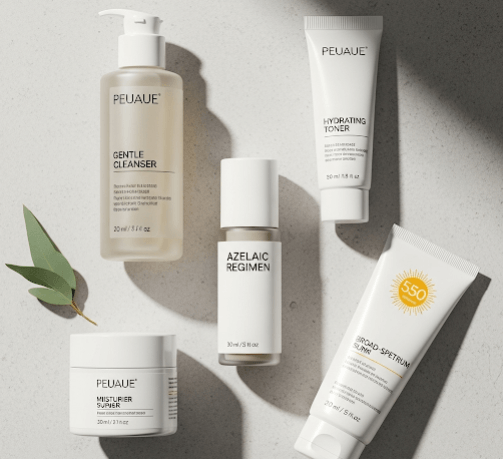
➤ Azelaic regimen in Korea refers to the use of azelaic acid-based treatments, usually in the form of creams, gels, or foams, as part of a structured skincare or dermatological routine.
→ Azelaic acid is a naturally occurring dicarboxylic acid derived from grains like wheat, barley, and rye. It has multiple skin benefits:
- Antibacterial → reduces acne-causing bacteria (Cutibacterium acnes)
- Anti-inflammatory → calms redness and swelling
- Keratin regulation → prevents pore blockages
- Pigment correction → lightens dark spots and melasma
✦ In Korea, azelaic acid is incorporated into both medical prescriptions and over-the-counter skincare products, making it accessible for acne patients, people with rosacea, and those battling pigmentation.
✔ Korean dermatologists often prescribe an azelaic regimen as part of a multi-step skincare plan, integrating K-beauty routines with medical dermatology.
Why it’s done in Korea
▸ Medical reasons → Azelaic acid treats mild-to-moderate acne, rosacea, melasma, and post-inflammatory hyperpigmentation.
▸ Aesthetic reasons → Koreans prioritize even-toned, radiant skin, and azelaic regimens improve texture and brightness.
▸ Preventive reasons → Regular use prevents clogged pores, reduces flare-ups, and keeps skin balanced.
✔ Dermatologists in Korea recommend azelaic regimens when:
- Acne persists despite standard topical treatments
- Dark spots or melasma affect skin tone
- Patients have sensitive skin that cannot tolerate stronger retinoids or peels
- Redness and rosacea flare-ups cause discomfort
Alternatives in Korea
Although azelaic regimens are effective, Korean dermatologists may suggest alternatives or combined treatments:
➤ Topical options
- Retinoids (tretinoin, adapalene) → more potent but may cause irritation
- Benzoyl peroxide → antibacterial for acne but harsher on sensitive skin
- Niacinamide → soothes inflammation and improves barrier
➤ Oral therapies
✔ Antibiotics → reduce bacterial overgrowth in moderate acne
✔ Isotretinoin → for severe, resistant acne
➤ Procedural options
✦ Chemical peels (salicylic, glycolic) → exfoliate and brighten skin
✦ Laser therapy → targets melasma and pigmentation
✦ Microneedling with PRP → improves texture and post-acne scarring
Preparation in Korea
Before starting an azelaic regimen, Korean dermatologists recommend:
▸ Pre-treatment skincare
→ Cleanse with a gentle, pH-balanced cleanser.
→ Discontinue use of harsh exfoliants or peels for a few days before starting.
▸ Lifestyle guidance
✦ Avoid over-layering multiple actives (e.g., strong acids + retinoids) initially.
✦ Consistently use broad-spectrum sunscreen (SPF 50+) since azelaic acid is often prescribed for pigmentation.
▸ Medical consultation
✔ Dermatologists in Korea tailor concentrations:
- 10%–15% → mild, over-the-counter skincare formulations
- 20% prescription → stronger treatment for acne, pigmentation, and rosacea
How it’s done in Korea
An azelaic regimen in Korea typically includes both daily home application and clinic-based monitoring:
- Application frequency
➤ Start with once daily at night, then increase to twice daily if tolerated. - Combination therapy
→ Korean dermatologists often combine azelaic acid with:
- Niacinamide → for redness control
- Hyaluronic acid → for hydration
- Mild chemical peels → for enhanced exfoliation
- K-beauty layering
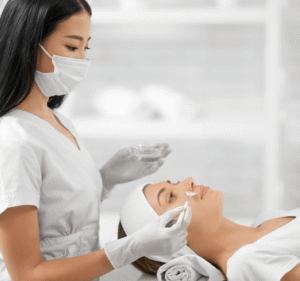
✦ Azelaic acid products are usually applied after toner/essence and before moisturizer in multi-step Korean routines. - Professional care
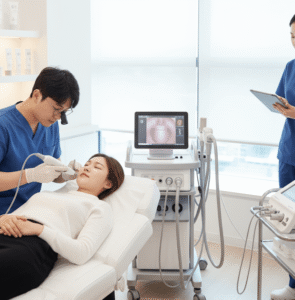
✔ In Korean dermatology clinics, azelaic regimens may be integrated with laser toning, chemical peels, or LED light therapy for synergistic results.
Recovery in Korea
▸ Initial phase (1–2 weeks)
✔ Mild tingling, dryness, or peeling may occur.
✔ Skin adapts gradually to regular use.
▸ Short-term results (4–6 weeks)
→ Reduction in active acne, blackheads, and redness.
→ Pigmentation begins to fade.
▸ Long-term results (3–6 months)
✦ Significant improvement in skin clarity, reduced flare-ups, and more even skin tone.
✦ Consistent use provides maintenance benefits, preventing recurrence of acne and melasma.
Complications in Korea
While generally safe, azelaic regimens can have some side effects:
➤ Mild issues
- Temporary redness, stinging, or peeling
- Dryness in sensitive skin
➤ Rare complications
✦ Allergic reaction (itching, swelling)
✦ Uneven pigmentation if sun protection is neglected
✔ Korean dermatologists minimize risks by gradually introducing azelaic acid, pairing it with soothing products, and recommending strict sun care.
Treatment Options in Korea
Korea offers some of the most advanced azelaic regimens, blending medical dermatology with cosmetic skincare.
➤ Major hospitals
- Seoul National University Hospital Dermatology → Prescribes azelaic acid for acne, rosacea, and pigmentation with lab monitoring.
- Yonsei Severance Hospital → Uses azelaic regimens in combination with systemic therapies for resistant conditions.
➤ Private dermatology clinics (Gangnam, Apgujeong, Myeongdong)
✔ Oracle Skin Clinic, Banobagi Dermatology, ID Dermatology → Provide customized azelaic regimens, often integrating with laser toning, peels, and scar treatments.
➤ K-beauty integration
✦ Korean skincare brands (e.g., Some By Mi, The Ordinary Korea, Cosrx) offer azelaic formulations for daily home use.
✦ Many clinics give aftercare kits with azelaic-based serums or creams to ensure continuity of treatment.
Conclusion in Korea
➤ Azelaic regimen in Korea is a safe, versatile, and effective option for acne, pigmentation, and rosacea, providing both medical and cosmetic benefits.
→ It works as a gentler alternative to retinoids and strong acids, making it ideal for sensitive skin patients.
✦ With Korea’s expertise in dermatology, scar prevention, and K-beauty integration, azelaic regimens are a globally trusted solution for long-term skin clarity, brightness, and balance.