➤ What it is
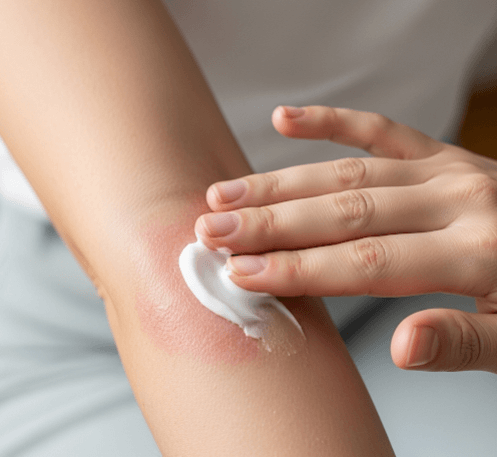
Atopic Dermatitis (AD) is the most common and chronic form of eczema, affecting millions of people worldwide. It is characterized by itchy, red, dry, and inflamed skin, often appearing in cycles of flare-ups and remission. AD frequently begins in childhood but can persist or recur in adulthood.
The condition is linked to a defective skin barrier, genetic predisposition, and overactive immune responses. In people with AD, the skin loses moisture easily and becomes vulnerable to irritants, allergens, and microbes. This weak barrier leads to chronic inflammation and hypersensitivity.
Typical locations for atopic dermatitis include the face, neck, elbows, knees, hands, and ankles, though it can occur anywhere on the body. Symptoms range from mild dryness to severe itching, oozing lesions, and thickened skin.
In Korea, atopic dermatitis care is approached with a holistic philosophy, blending medical treatment with skincare science. Korean dermatologists not only focus on controlling inflammation but also prioritize barrier restoration, cosmetic outcomes, and preventive maintenance.
➤ Why it’s done
Managing atopic dermatitis is essential for both health and quality of life:
- Symptom Relief → AD causes persistent itching, dryness, and discomfort that interfere with daily life and sleep.
- Preventing Skin Damage → Repeated scratching can lead to thickened skin (lichenification), open sores, and scarring.
- Reducing Infections → Broken skin can allow bacteria, fungi, and viruses to cause secondary infections.
- Enhancing Confidence → Visible rashes often affect self-esteem and social interactions.
- Preventing Progression → Atopic dermatitis is part of the atopic triad (eczema, asthma, hay fever). Proper care reduces allergic complications.
In Korea, dermatologists emphasize early intervention and consistent care, aligning with the cultural value of maintaining healthy, blemish-free skin.
➤ Alternatives
Atopic dermatitis care involves multiple treatment options, chosen based on severity:
Topical Therapies
- Corticosteroid creams/ointments → reduce inflammation during flare-ups.
- Calcineurin inhibitors (tacrolimus, pimecrolimus) → alternatives to steroids for delicate areas like the face.
- Barrier creams → ceramide- or hyaluronic acid-rich moisturizers to strengthen skin.
Systemic Treatments
- Oral antihistamines → relieve itching and help with sleep.
- Immunosuppressants → cyclosporine, methotrexate, or azathioprine for severe, uncontrolled cases.
- Biologics (dupilumab, tralokinumab) → advanced targeted therapies now widely available in Korea.
Phototherapy
- Narrow-band UVB light therapy → reduces inflammation and itching.
- Commonly used in Korean hospitals for moderate-to-severe cases.
Lifestyle and Complementary Options
- Identifying and avoiding triggers (soaps, dust mites, allergens, weather).
- Stress management through meditation, breathing exercises, or Korean herbal wellness programs.
- Using mild Korean skincare products specifically designed for sensitive skin.
➤ Preparation
Before starting treatment, proper preparation is necessary:
- Medical Diagnosis
- Dermatological exam and patient history.
- Patch testing or allergy screening to identify triggers.
- Assessing family history of eczema, asthma, or allergies.
- Patient Education
- Learning how to apply topical medicines properly.
- Understanding the chronic nature of AD and importance of maintenance care.
- Skin Conditioning
- Begin a gentle skincare routine with moisturizers before starting active therapies.
- Avoid irritants such as strong soaps, hot showers, and synthetic fabrics.
- In Korea, dermatologists often recommend pre-treatment calming facials or barrier-strengthening skincare programs to reduce baseline inflammation before therapy begins.
➤ How it’s Done
Care for atopic dermatitis is multi-dimensional, requiring a combination of medical and skincare strategies:
1. Skincare and Barrier Repair
- Daily use of moisturizers with ceramides, shea butter, or hyaluronic acid.
- Avoiding harsh cleansers; instead, use mild, fragrance-free Korean formulations.
- Many Korean clinics prescribe personalized skincare regimens using locally developed dermatology brands.
2. Anti-Inflammatory Treatments
- Topical steroids applied short-term during flares.
- Calcineurin inhibitors used on sensitive regions like eyelids.
- For severe AD, systemic immunosuppressants or biologics are prescribed.
3. Phototherapy
- Narrow-band UVB is delivered in short sessions under supervision.
- Helps reduce inflammation, itching, and bacterial colonization.
4. Korean Aesthetic and Supportive Therapies
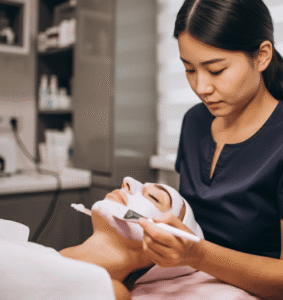
- Soothing facials with herbal or botanical packs to calm redness.
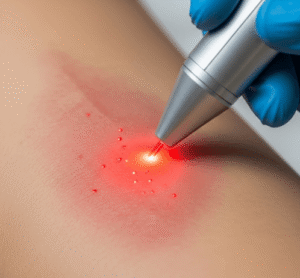
- LED red/blue light therapy for anti-inflammatory and antibacterial effects.
- Hydration drips and calming spa therapies integrated with medical treatment.
5. Lifestyle Care
- Trigger management: avoiding allergens, stress, and irritants.
- Diet adjustments if certain foods worsen symptoms.
- Stress reduction methods are emphasized in Korea’s holistic health culture.
➤ Recovery
Atopic dermatitis is chronic, so recovery means reaching symptom control and remission:
- Short-term recovery:
- Flare-ups typically improve within 1–2 weeks with appropriate therapy.
- Skin becomes less itchy and less inflamed.
- Long-term recovery:
- Requires consistent skincare and trigger avoidance.
- Periodic follow-ups with dermatologists ensure lasting remission.
Korean Recovery Practices:
- After flares calm, clinics often implement skin barrier recovery programs, including hydration masks, LED therapy, and gentle exfoliation.
- Patients are provided with customized maintenance routines using Korean dermatology products.
- Education on sun protection and stress reduction plays an integral role.
➤ Complications
If atopic dermatitis is poorly managed, complications may arise:
- Skin Infections → due to Staphylococcus aureus, fungi, or herpes virus.
- Thickened skin (lichenification) → from chronic scratching.
- Pigmentation changes → hyperpigmentation or hypopigmentation after flares.
- Sleep problems → persistent itching affects rest.
- Psychological burden → anxiety, low confidence, or depression.
Korean dermatologists address these by offering early interventions, scar/pigmentation treatments, and even counseling support for severe cases.
➤ Treatment Options in Korea
Korea’s dermatology landscape makes it one of the best places for atopic dermatitis care.
Key Advantages in Korea:
- Advanced biologics readily available and monitored under expert care.
- High-tech phototherapy devices for safe and effective light treatments.
- Holistic approach → integration of medical, aesthetic, and preventive care.
- Customized skincare regimens designed around Korea’s world-leading beauty and dermatology industries.
Unique Korean Approaches:
- Barrier-repair facials and spa therapies to enhance skin strength.
- LED and photodynamic support treatments tailored for sensitive skin.
- Integration of herbal medicine in some clinics, blending modern dermatology with traditional Korean remedies.
- Medical tourism programs that cater to international patients seeking atopic dermatitis care with both effectiveness and cosmetic refinement.
✨ Final Thoughts
Atopic Dermatitis Care in Korea is not just about treating flare-ups — it’s about creating a long-term plan for skin health and quality of life. With advanced medical therapies, innovative skincare, and a culture that values prevention and beauty, Korea offers one of the most comprehensive approaches worldwide.
From biologics and phototherapy to barrier-strengthening facials and LED care, Korean dermatology ensures patients achieve both medical control and cosmetic satisfaction. By focusing on prevention, maintenance, and personalized treatment, Korea stands as a global leader in atopic dermatitis care.