A modern dermatologic solution for vascular skin lesions
What it is
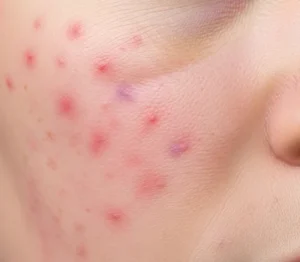
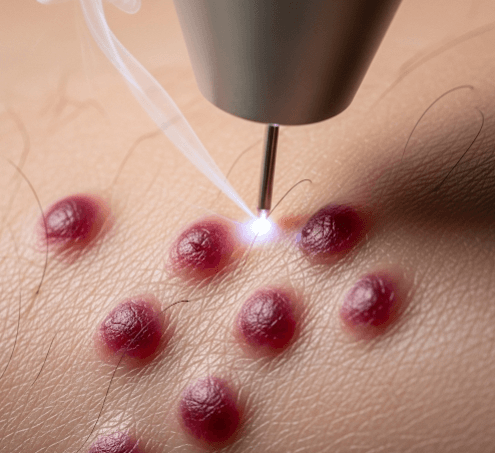
An angiokeratoma is a benign vascular lesion characterized by small, dark red to blue papules on the skin. They are caused by dilated blood vessels in the upper dermis with overlying thickened skin (keratosis).
These lesions most commonly appear on the scrotum, vulva, thighs, abdomen, or oral mucosa, and although harmless, they can cause distress. They may bleed after trauma, look cosmetically concerning, or be mistaken for dangerous conditions like melanoma.
Laser therapy is now the preferred treatment. The laser targets the blood vessels inside the lesion, collapsing them while leaving surrounding skin intact. In Korea, angiokeratoma laser treatment is performed with high precision, ensuring both safety and cosmetic results.
Why it’s done
Laser treatment for angiokeratoma is recommended for:
✔ Cosmetic improvement – To remove dark, clustered lesions.
✔ Bleeding prevention – Angiokeratomas rupture easily, so treatment reduces bleeding risk.
✔ Comfort and confidence – Eliminating visible lesions improves quality of life.
✔ Medical reassurance – Removal prevents confusion with serious conditions such as melanoma.
✔ Hygiene and convenience – Especially when lesions appear in sensitive or friction-prone areas.
Alternatives
Other treatment options exist, but lasers are preferred in modern dermatology.
→ Cryotherapy – Freezing with liquid nitrogen; effective but risks pigmentation changes.
→ Electrocautery (electrosurgery) – Burns the lesion; effective but may leave surface texture changes.
→ Surgical excision – Cutting out the lesion; suitable for large cases but leaves scars.
→ Topical treatments – Rarely effective, since angiokeratomas do not respond well to creams.
Compared to these, laser treatment offers precision, minimal scarring, and quick recovery.
Preparation
Preparation involves simple but important steps.
➤ Dermatologic examination – To confirm angiokeratoma and rule out malignancy (like melanoma).
➤ Dermoscopy or biopsy – Sometimes performed for accurate diagnosis.
➤ Medical history review – Patients are checked for bleeding disorders or skin healing issues.
➤ Photography – Before-treatment photos are taken to track progress.
➤ Anesthesia planning – Small lesions need only topical anesthesia; larger clusters may require local anesthesia.
How it’s done
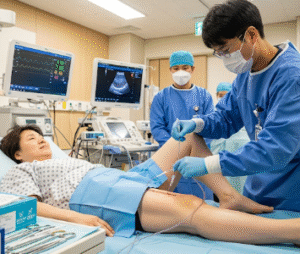
Laser therapy is precise and targeted.
➔ Laser type: Vascular-specific lasers such as pulsed-dye laser (PDL), Nd:YAG, or diode laser are used.
➔ Procedure:
- The skin is cleaned and numbed if necessary.
- The laser handpiece delivers short bursts of light energy.
- Hemoglobin in the lesion absorbs the light, collapsing the vessel walls.
- Surrounding skin is preserved, reducing scarring risks.
➔ Duration: Sessions last 15–30 minutes, depending on the number of lesions.
➔ Sessions needed: Many angiokeratomas resolve in a single session, though multiple treatments may be required for clusters.
➔ Post-care: Cooling gels or ointments may be applied immediately after treatment.
Recovery
Recovery is usually fast and straightforward.
→ Mild redness, swelling, or bruising may appear for a few days.
→ Small scabs may form and fall off naturally within 1–2 weeks.
→ Sun protection and moisturization are advised to prevent pigmentation changes.
→ Most patients return to daily activities immediately.
→ Results are usually visible within weeks, with smooth skin and cosmetic improvement.
Complications
Laser treatment is safe, but possible side effects include:
✔ Redness and swelling at the treated site.
✔ Bruising (purpura) that fades within a week.
✔ Temporary skin discoloration, especially in darker skin tones.
✔ Scarring, rare but possible if the lesion is deep or many treatments are done.
✔ Recurrence, as new angiokeratomas may develop with time.
In Korea, dermatologists minimize risks through advanced technology and expert handling.
Treatment options in Korea
Korea is a global leader in cosmetic dermatology and laser treatments, making it an ideal place for angiokeratoma care.
➤ Cutting-edge laser systems – Korean clinics use advanced pulsed-dye and Nd:YAG lasers that precisely target vascular lesions.
➤ Focus on cosmetic results – Treatments are designed to clear lesions while leaving the skin natural-looking and smooth.
➤ Enhanced aftercare – Many clinics provide LED therapy, scar-prevention creams, and hydration programs to support healing.
➤ Integration with skin aesthetics – Patients often combine angiokeratoma removal with skin rejuvenation, toning, or resurfacing treatments.
➤ Medical tourism readiness – Korean hospitals offer bilingual staff, customized schedules, and follow-up support for international patients.
➤ Research and innovation – Korean dermatologists are continuously refining laser protocols, ensuring the latest, most effective methods are used.
Choosing angiokeratoma laser treatment in Korea ensures patients receive world-class dermatology expertise, advanced laser care, and superior cosmetic outcomes.