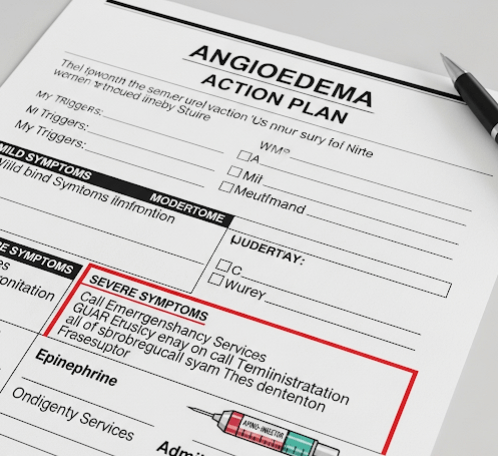
What It Is
Defining Angioedema
→ Angioedema is a condition where deep swelling occurs beneath the skin or mucous membranes, often around the eyes, lips, throat, hands, or feet.
→ It may occur with hives (urticaria) or on its own, and can be acute, recurrent, or chronic.
→ Swelling is caused by leakage of fluid from blood vessels into surrounding tissues, triggered by allergic, immune, or genetic factors.
→ In Korea, dermatology and allergy specialists follow structured angioedema management plans to address acute attacks, prevent recurrence, and identify underlying causes.
Key Characteristics
- Sudden swelling of lips, eyelids, face, hands, feet, or genitals
- Swelling in the throat or airway → may cause difficulty breathing (medical emergency)
- Pain, tingling, or tightness in swollen areas
- Associated hives in allergic cases
- Can be allergic, drug-induced, idiopathic, or hereditary (HAE)
Why It’s Done
Main Reasons for a Structured Plan
➡ Prevent Airway Compromise – Angioedema can cause life-threatening airway obstruction.
➡ Relieve Pain and Swelling – Symptom management is key for patient comfort.
➡ Identify Triggers – Drug allergies, food allergens, or hereditary conditions must be identified.
➡ Prevent Recurrence – Long-term plans reduce repeated emergency visits.
➡ Improve Quality of Life – Ensures both safety and confidence for patients at risk.
Alternatives
Non-Medical Options
- Avoidance of Known Triggers → Foods, drugs (NSAIDs, ACE inhibitors), insect bites.
- Lifestyle Adjustments → Stress reduction, avoiding alcohol or overheating.
- Allergen Control → Removing dust, mold, or animal exposure when relevant.
Medical Alternatives
→ Depending on the type of angioedema:
- Antihistamines → For allergic or idiopathic angioedema.
- Corticosteroids → Short courses for severe allergic swelling.
- Epinephrine (Adrenaline) → Emergency treatment for airway-threatening angioedema.
- C1-Inhibitor Concentrates → For hereditary angioedema (HAE).
- Icatibant or Ecallantide → Targeted therapies for bradykinin-mediated HAE.
- Long-Term Preventives → Low-dose antihistamines or biologics (omalizumab) in chronic cases.
Preparation
Before Care and Treatment
➡ Detailed Medical History – Type of swelling, frequency, associated hives, family history.
➡ Trigger Identification – Review of medications, foods, and environmental exposures.
➡ Blood Tests – Complement levels (C4, C1 inhibitor function) for suspected hereditary angioedema.
➡ Allergy Testing – Skin prick or serum IgE for allergic angioedema.
➡ Emergency Planning – High-risk patients instructed in epinephrine auto-injector use.
➡ Patient Counseling – Education that angioedema can be allergic, drug-induced, or genetic, and requires different plans.
How It’s Done
Acute Angioedema Management in Korea
1. Initial Assessment
→ Doctors first check airway, breathing, and circulation.
- If throat swelling present → immediate emergency care.
2. Emergency Medications
- Epinephrine injection for suspected anaphylaxis.
- Intravenous antihistamines and corticosteroids for allergic angioedema.
- Oxygen support and monitoring if breathing is compromised.
3. Hospital Admission
→ Severe cases (airway involvement, extensive swelling) are admitted for observation.
4. Hereditary Angioedema (HAE) Crisis
- C1 esterase inhibitor infusion or icatibant injection is given.
- These are available in Korean university hospitals and specialized centers.
Long-Term Angioedema Management
1. Trigger Avoidance
- Withdrawal of ACE inhibitors or NSAIDs if drug-induced.
- Dietary modifications if food-related.
2. Regular Antihistamine Therapy
- Daily non-sedating antihistamines for idiopathic recurrent angioedema.
- Doses may be increased stepwise for chronic cases.
3. Biologic Therapy
- Omalizumab (anti-IgE biologic) is widely used in Korea for chronic spontaneous angioedema not responsive to antihistamines.
4. HAE Preventive Care
- Long-term prophylaxis with C1 inhibitors or new oral medications (like berotralstat, available in select Korean centers).
5. Education and Self-Care
- Patients with risk of airway swelling are trained to use emergency auto-injectors.
- Family members may also be educated for quick response.
Recovery
Immediate Recovery
- Acute swelling usually resolves within hours to days with proper treatment.
- Relief of itching and discomfort occurs soon after antihistamines or steroids.
Long-Term Recovery
→ Patients with chronic or hereditary angioedema require months to years of management.
→ With structured care, recurrence rates drop and quality of life improves significantly.
→ Korean clinics provide regular follow-ups with dermatology and allergy specialists.
Complications
Risks Without Proper Management
- Airway Obstruction → Can be fatal if throat or tongue is involved.
- Chronic Discomfort → Repeated swelling causes distress and lost productivity.
- Misdiagnosis → Angioedema mistaken for allergy when hereditary form is present.
- Excess Steroid Use → Without proper plan, patients may overuse corticosteroids, leading to long-term side effects.
Risks With Treatment
- Medication Side Effects → Sedation from antihistamines, weight gain from steroids.
- Injection Reactions → Rare allergy to biologics or infusions.
- Incomplete Response → Some patients need multiple therapies before finding effective control.
Treatment Options in Korea
Why Korea Excels in Angioedema Care
➡ Emergency Readiness – Korean hospitals are well-equipped for anaphylaxis and airway management.
➡ Specialized Allergy Centers – Provide comprehensive testing, biologics, and hereditary angioedema protocols.
➡ Access to Advanced Drugs – Omalizumab, C1-inhibitors, and icatibant are available in tertiary centers.
➡ Integrated Care – Dermatologists, allergists, and emergency doctors collaborate closely.
➡ Patient Education Programs – Clinics emphasize self-care, trigger avoidance, and emergency preparedness.
Patient Experience in Korea
- Acute care provided in emergency rooms or dermatology clinics.
- Patients receive stepwise treatment plans tailored to their condition (allergic, idiopathic, or hereditary).
- Korean clinics often provide personalized emergency kits including antihistamines, steroids, and epinephrine injectors.
- Long-term follow-up ensures ongoing safety and reduced flare-ups.
Conclusion
An angioedema plan in Korea ensures that patients receive both emergency and long-term care, reducing risks and improving quality of life.
Through structured protocols, advanced biologics, hereditary angioedema therapies, and patient education, Korean healthcare delivers some of the most reliable and comprehensive angioedema management worldwide.
Patients benefit from Korea’s emphasis on prevention, quick emergency response, and multidisciplinary collaboration, making it an ideal destination for angioedema care.