What it is
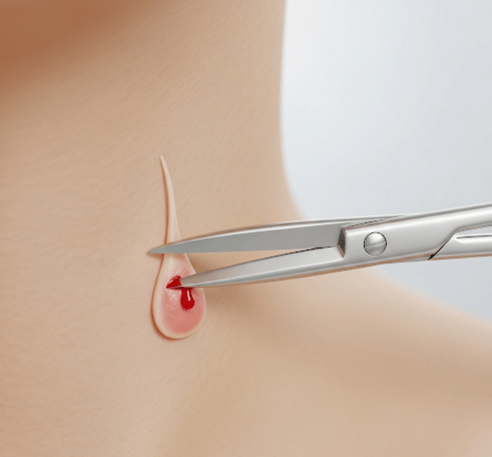
An acrochordon snip is a minor surgical procedure used to remove skin tags (acrochordons) by cutting them off at the base with sterile scissors or a scalpel. Skin tags are small, soft, benign skin growths that commonly occur on the neck, underarms, eyelids, groin, or under the breasts.
Unlike freezing (cryotherapy) or laser removal, the snip method is direct, fast, and effective, making it ideal for larger or pedunculated (stalk-like) tags.
💡 In Korea, acrochordon snip is one of the most frequently performed dermatology procedures, often done in combination with laser mole removal, wart treatment, or pigmentation care for full skin refinement.
Why it’s done
Patients choose acrochordon snip removal for comfort and cosmetic reasons:
✔ To instantly remove skin tags without waiting for them to fall off
✔ To prevent irritation or bleeding caused by friction from clothing or shaving
✔ To improve cosmetic appearance, especially on visible areas like the face or neck
✔ To enhance skin smoothness in line with K-beauty standards
✔ To avoid home remedies that risk infection or scarring
Alternatives
Other methods of skin tag removal include:
➡️ Cryotherapy (freezing) – Liquid nitrogen applied; tag falls off within days.
➡️ Electrocautery (burning) – Heat cauterizes and removes the tag.
➡️ Laser removal (CO₂ or Er:YAG) – Vaporizes skin tag, common for facial areas.
➡️ Observation – Harmless tags can be left alone if they aren’t bothersome.
Korean dermatologists often select the snip method for larger or protruding tags, while smaller tags may be removed with laser or cautery.
Preparation
Before an acrochordon snip in Korea:
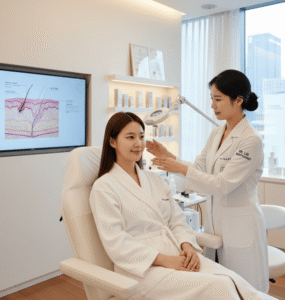
- 🔹 Dermatology consultation → To confirm it is a skin tag, not another lesion.
- 🔹 Skin cleansing → Area cleaned to reduce infection risk.
- 🔹 Anesthesia → Usually topical numbing cream or local injection for larger tags.
How it’s Done
The procedure is fast and straightforward:
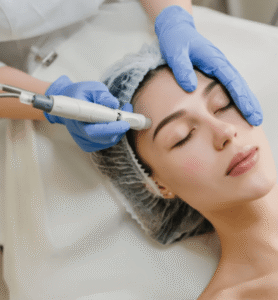
- Sterile preparation → Skin disinfected and anesthetized if necessary.
- Snipping → Dermatologist uses fine surgical scissors or a scalpel to cut the tag at its base.
- Hemostasis → Bleeding controlled with electrocautery or silver nitrate.
- Aftercare application → Antibiotic ointment or hydrocolloid dressing applied.
⏳ Duration: 5–15 minutes depending on number of tags
📅 Sessions: Usually one; multiple tags can be removed in the same session
Recovery
Recovery is simple and minimal:
➡️ First few days → Mild redness or scabbing at removal site.
➡️ 1 week → Area usually heals fully with proper care.
➡️ 1–3 months → Skin blends smoothly with surrounding tissue.
Post-care in Korea typically includes:
- Daily cleansing and ointment use
- Avoiding sun exposure to prevent pigmentation
- Use of scar gels or brightening creams recommended by the clinic
Complications
Acrochordon snip removal is very safe, but mild side effects may occur:
⚠ Possible risks:
- Small scar or pigmentation mark (rare if aftercare is followed)
- Minor bleeding at the site
- Local irritation or tenderness
- Rare recurrence of skin tags in the same area (new growths, not regrowth of the same tag)
Korean dermatologists minimize risks by using fine, sterile instruments and advanced scar prevention care.
Treatment Options in Korea
Korea offers some of the most aesthetic-focused skin tag treatments in the world, with an emphasis on smooth healing and minimal scarring.
🇰🇷 Popular Korean Approaches:
- Acrochordon snip with fine scissors → Standard method for larger tags.
- Snip + electrocautery → Ensures bleeding control and smooth edges.
- Snip + CO₂ laser finishing → For delicate facial areas, ensuring seamless blending.
- Combination treatments → Snip removal of big tags + laser for smaller ones.
- K-beauty recovery care → Scar gels, LED therapy, and brightening creams post-procedure.
✅ Final Thoughts
Acrochordon snip removal in Korea is a fast, precise, and safe method to get rid of skin tags with minimal discomfort. It provides instant results, making it a popular choice for patients who want clear, smooth skin without waiting for healing methods like freezing.
With Korea’s dermatology expertise, advanced finishing techniques, and K-beauty scar prevention care, the procedure ensures both medical safety and cosmetic excellence.