
What it is in Korea
➤ Acne scar treatment in Korea refers to a variety of medical and dermatological procedures aimed at improving the appearance of skin damaged by past acne.
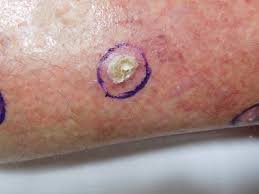
→ Acne scars form when inflammation damages collagen during the healing process, leaving behind depressions, raised marks, or pigmentation.
✦ Common types of acne scars treated in Korea include:
- Atrophic scars (ice-pick, boxcar, rolling scars) → depressions in the skin
- Hypertrophic scars → raised, thickened scars
- Post-inflammatory hyperpigmentation (PIH) → dark spots after acne
- Post-inflammatory erythema (PIE) → red marks after acne
✔ Korea is globally recognized for its cutting-edge dermatology technology and integration with K-beauty skincare, making it a top destination for acne scar management.
Why it’s done in Korea
▸ Medical reasons → Acne scars can cause permanent skin damage if left untreated.
▸ Aesthetic reasons → Smooth, even-toned skin is a major beauty standard in Korea, and patients seek scar correction for confidence.
▸ Psychological reasons → Scars often lead to low self-esteem and anxiety, particularly in young adults.
✔ Dermatologists in Korea recommend scar treatments when:
- Scars persist despite topical care
- Patients have deep atrophic scars or raised hypertrophic scars
- Pigmentation remains long after acne heals
- Patients want long-term improvement in skin smoothness and clarity
Alternatives in Korea
Acne scar treatment is multi-layered, and alternatives or combinations may be suggested:
➤ Topical options
- Retinoids → stimulate collagen and improve texture
- Azelaic acid → brightens pigmentation
- Hydroquinone → lightens dark marks
➤ Oral therapies
✔ Isotretinoin → prevents new acne that could cause more scars
✔ Antibiotics → reduce inflammation in active acne, but not scars
➤ Procedural treatments
✦ Chemical peels → exfoliate and fade pigmentation
✦ Microneedling → stimulates collagen and improves atrophic scars
✦ Blue & red light therapy → reduces inflammation and speeds healing
Preparation in Korea
Before acne scar treatment, Korean dermatologists emphasize preparation:
▸ Pre-treatment skincare
→ Stop using harsh exfoliants, strong acids, or retinoids a few days before procedures.
→ Apply broad-spectrum sunscreen daily to prevent pigmentation worsening.
▸ Medical consultation
✦ Dermatologists assess scar type, skin type, and acne history.
✦ Customized treatment plan is created (often multi-modal).
▸ Lifestyle guidance
✔ Avoid tanning, smoking, and alcohol before treatment for better healing.
✔ Maintain a hydrating skincare routine to strengthen the skin barrier.
How it’s done in Korea
Korean acne scar treatment is customized based on scar type and usually involves combination therapy:
- Laser Treatments
➤ Fractional CO₂ laser → resurfaces skin, smooths atrophic scars
➤ Erbium laser → gentler resurfacing option
✔ Often combined with topical serums (e.g., growth factors) for better healing - Microneedling & RF Microneedling
✦ Uses fine needles (with or without radiofrequency energy) to stimulate collagen and improve scars.
✦ Often paired with PRP (platelet-rich plasma) for enhanced regeneration. - Subcision
→ A fine needle is inserted under the scar to release tethered skin fibers, lifting depressed scars. - Chemical Reconstruction (TCA CROSS)
✔ High-concentration TCA acid applied directly to ice-pick scars, stimulating new collagen. - Fillers
✦ Hyaluronic acid injections used to fill deep rolling scars.
✦ Sometimes combined with subcision. - Scar-Specific Care
→ For hypertrophic scars, steroid injections or laser flatten raised scars.
→ For pigmentation (PIH, PIE), laser toning or chemical peels are common.
Recovery in Korea
▸ Immediate phase (1–3 days)
✔ Mild redness, swelling, or peeling depending on procedure.
✔ Patients advised to avoid makeup for 24–48 hours.
▸ Short-term recovery (1–2 weeks)
→ Healing depends on procedure: lasers and microneedling may cause mild scabbing or flaking.
→ Soothing creams and sun protection are critical.
▸ Long-term outcomes (3–6 months)
✦ Collagen remodeling continues for weeks, gradually improving scars.
✦ Multiple sessions (3–6) may be needed for significant improvement.
Complications in Korea
While acne scar treatments in Korea are safe, possible risks include:
➤ Mild side effects
- Redness, swelling, temporary pigmentation changes
- Peeling or dryness
➤ Rare complications
✦ Hyperpigmentation in darker skin if sun protection is ignored
✦ Infection if aftercare is neglected
✦ Persistent redness with aggressive lasers
✔ Korean dermatologists minimize risks with precise technology, controlled energy settings, and integrated aftercare (calming masks, LED therapy, barrier creams).
Treatment Options in Korea
Korea is a global leader in acne scar management due to its advanced technology and cosmetic-dermatology integration.
➤ Major hospitals
- Seoul National University Hospital Dermatology → Specializes in advanced scar revision and laser therapy.
- Asan Medical Center → Offers multi-modal scar treatment including subcision and fillers.
➤ Private dermatology clinics (Gangnam, Apgujeong, Myeongdong)
✔ Oracle Skin Clinic, Banobagi Dermatology, ID Dermatology → Known for fractional lasers, microneedling, PRP, and TCA CROSS for acne scars.
✔ Many clinics offer customized acne scar packages combining multiple techniques.
➤ K-beauty integration
✦ Korean clinics frequently include soothing sheet masks, hydrating essences, and skin-barrier creams after scar treatments.
✦ International patients benefit from medical tourism programs (translation, post-treatment skincare kits, and follow-ups).
Conclusion in Korea
➤ Acne scar treatment in Korea is one of the most advanced and effective in the world, combining lasers, microneedling, subcision, fillers, and chemical reconstruction techniques.
→ The approach is personalized, multi-layered, and designed for both medical and aesthetic improvement.
✦ With Korea’s expert dermatologists, cutting-edge technology, and integration of K-beauty skincare, patients can achieve dramatic improvements in skin smoothness, clarity, and confidence.