🟢 What it is
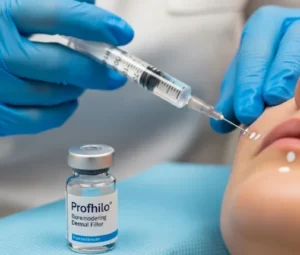
An Acne Scar Filler in Korea is a non-surgical injectable treatment designed to improve the appearance of depressed acne scars, such as boxcar, rolling, and ice-pick scars. The treatment uses dermal fillers—most commonly Hyaluronic Acid (HA), but also sometimes Collagen-stimulating fillers like Calcium Hydroxylapatite (CaHA) or Poly-L-lactic Acid (PLLA)—to:
- Lift depressed scars to the level of surrounding skin.
- Smooth uneven texture and restore skin surface uniformity.
- Improve skin hydration and elasticity.
- Stimulate collagen production for longer-lasting scar repair.
In Korea, acne scar fillers are often combined with laser therapy, microneedling, or subcision for comprehensive scar revision.
🟢 Why it’s Done
Patients in Korea choose acne scar fillers for both cosmetic improvement and emotional confidence:
➡️ Smooths uneven skin: Fills depressed scars to create a more even surface.
➡️ Restores youthful skin texture: Reduces the rough appearance caused by scars.
➡️ Boosts self-esteem: Acne scars often carry psychological impact; fillers provide fast improvement.
➡️ Non-surgical option: Minimally invasive compared to surgical scar revision.
➡️ Hydrates and rejuvenates skin: HA fillers improve skin quality beyond just volume.
In Korean dermatology, acne scar fillers are rarely used alone—they are part of a multimodal scar treatment plan for natural, long-lasting results.
🟢 Alternatives
Other treatments may be used depending on the severity and type of scars:
🔹 Subcision: Breaks fibrotic bands pulling scars down.
🔹 Microneedling / Dermarolling: Stimulates collagen to smooth scars.
🔹 Fractional Laser (Fraxel, CO2, Er:YAG): Resurfaces skin and reduces scar depth.
🔹 Radiofrequency Microneedling (RF): Combines heat and micro-injury for collagen stimulation.
🔹 Chemical Peels: Resurfaces shallow scars.
🔹 PRP (Platelet-Rich Plasma): Improves healing and texture when combined with other therapies.
🔹 Surgical Punch Excision: Removes severe ice-pick scars.
In Korea, acne scar fillers are commonly paired with subcision + laser therapy for maximum improvement.
🟢 Preparation
Before acne scar filler treatment, patients undergo detailed evaluation:
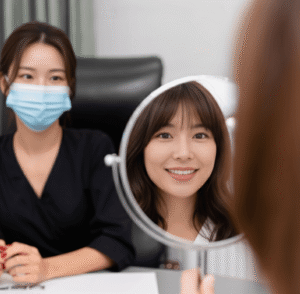
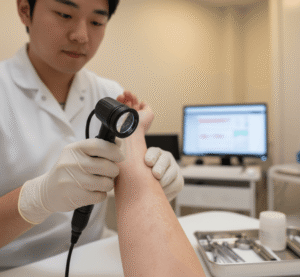
➡️ Consultation: Dermatologist assesses scar type (rolling, boxcar, ice-pick).
➡️ Medical history: Patients disclose allergies, autoimmune conditions, or prior filler use.
➡️ Skin preparation: Avoid retinoids, chemical peels, and harsh exfoliants before treatment.
➡️ Avoid blood thinners: No aspirin, ibuprofen, fish oil, or alcohol for 3–5 days.
➡️ Combination planning: Doctors often design a step-by-step program (e.g., laser + filler).
🟢 How it’s Done
The procedure typically takes 20–30 minutes, depending on the number of scars treated:
- Cleansing & sterilization of the face.
- Numbing: Topical anesthetic or fillers with lidocaine.
- Injection technique:
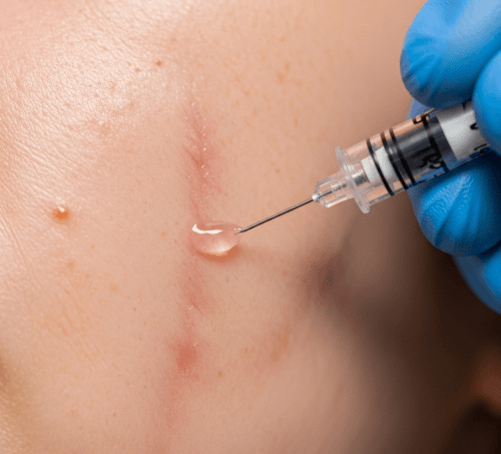
- Micro-droplet injections directly beneath depressed scars.
- Cannula method for wider scarred areas, reducing bruising.
- Sometimes combined with subcision to release scar tissue before filling.
- Shaping: Doctor adjusts filler to lift scars evenly with surrounding skin.
- Final check: Ensures smooth texture under various lighting angles.
Korean dermatologists use minimal amounts with layering to avoid overcorrection.
🟢 Recovery
Recovery is short and comfortable:
🔹 Downtime: Patients can resume daily life immediately.
🔹 Swelling & redness: Mild, lasting 1–2 days.
🔹 Bruising: Possible, especially if combined with subcision.
🔹 Results: Visible immediately for HA fillers; collagen-stimulating fillers improve gradually over weeks.
✅ Post-care in Korea includes:
- Avoid touching or pressing the treated areas.
- No strenuous activity, alcohol, or saunas for 24–48 hours.
- Regular use of sunscreen to prevent pigmentation.
- Gentle skincare until the skin heals.
🟢 Complications
Acne scar fillers are generally safe, but risks include:
⚠️ Mild issues:
- Temporary swelling, redness, or tenderness.
- Small lumps (usually smooth out).
⚠️ Rare risks:
- Overfilling, creating unnatural bulges.
- Tyndall effect (bluish hue if filler is placed too superficially).
- Infection at injection site.
- Vascular occlusion (rare but possible in facial filler procedures).
➡️ Korean doctors reduce risks by using cannulas, micro-dosing techniques, and hyaluronidase to dissolve HA fillers if needed.
🟢 Treatment Options in Korea
Korean dermatology clinics offer advanced filler products and treatment combinations:
🔹 Popular filler brands for acne scar correction:
- Korean: Yvoire, Neuramis, Replengen, Revolax, Dermalax.
- Global: Restylane, Juvederm Volbella, Teosyal RHA.
🔹 Approaches in Korea:
- Direct filler injection: Targets individual scars.
- Combination therapy: Subcision + filler + laser for stronger results.
- Collagen-stimulating fillers (CaHA/PLLA): For longer-lasting improvement.
- Skin booster integration: Improves overall skin quality alongside scar filling.
🟢 Final Thoughts
Acne Scar Fillers in Korea are a powerful part of comprehensive scar treatment, offering instant smoothing of depressed scars while supporting long-term skin repair.
➡️ Best for individuals with boxcar or rolling scars seeking quick, non-surgical improvement.
➡️ Results are immediate, customizable, and reversible (with HA fillers), making them a safe option for scar management.
➡️ With Korea’s advanced combination therapies, premium filler brands, and expert dermatologists, patients achieve smoother, healthier-looking skin and greater confidence.
In summary: Acne scar fillers in Korea are a safe, effective, and minimally invasive treatment that restore skin smoothness and are often paired with other therapies for optimal, long-lasting results.