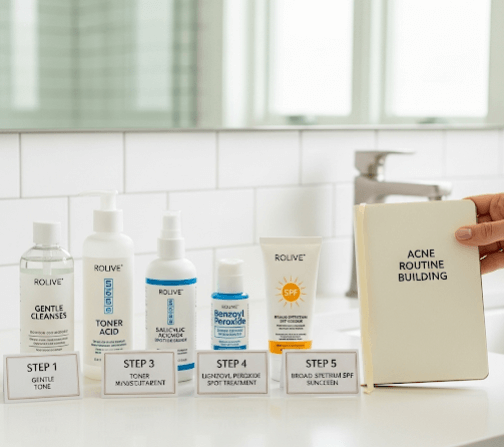
What it is
Acne routine building is the step-by-step process of creating a skincare regimen that helps control acne while preventing irritation, scarring, and pigmentation. Acne forms when pores become clogged with oil, dead skin cells, and bacteria, leading to inflammation and breakouts.
In Korea, acne care routines are structured around gentle cleansing, oil control, calming care, barrier repair, and pigmentation prevention. Dermatologists also emphasize customization — routines differ depending on whether the acne is inflammatory (pimples, cysts), comedonal (blackheads, whiteheads), or hormonal.
Why it’s done
- To reduce breakouts and inflammation
- To control oil without stripping the skin
- To repair the barrier and minimize sensitivity
- To fade post-acne pigmentation (PIH, common in Asian skin)
- To prevent scarring from repeated flare-ups
- To support professional treatments (like lasers or peels)
Alternatives
- Oral medications → antibiotics, isotretinoin, hormonal therapy
- In-office treatments → chemical peels, laser toning, microneedling for scars
- Supplements → zinc, vitamin D, probiotics, omega-3s
- Lifestyle adjustments → stress reduction, balanced diet, reduced dairy/sugar
In Korea, acne patients often combine daily skincare routines with in-clinic treatments for best results.
Preparation
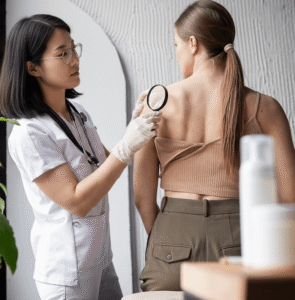
- Skin type analysis → oil production, sensitivity, pigmentation risk
- Trigger identification → diet, hormones, skincare habits
- Routine simplification → stop harsh scrubs, multiple acids, and comedogenic products
- Patience counseling → acne routines need at least 6–8 weeks to show improvement
How it’s Done
Step 1: Cleansing
- Low-pH gel cleanser for daily use
- For oily skin → mild foaming cleansers with salicylic acid or tea tree extract
- Double cleansing only if wearing heavy makeup/sunscreen
Step 2: Exfoliation (2–3x/week)
- Chemical exfoliants → salicylic acid (BHA), mandelic acid, or azelaic acid
- Avoid harsh scrubs that cause microtears and worsen inflammation
Step 3: Treatment layer
- Niacinamide → regulates oil and reduces inflammation
- Tea tree or propolis → antibacterial and soothing
- Adapalene (OTC retinoid) or tretinoin (prescription) → prevents clogged pores
- Benzoyl peroxide (low % formulations in Korea) → kills acne bacteria
Step 4: Moisturizer
- Lightweight, non-comedogenic lotions or gels
- Ceramides and panthenol for barrier repair
- Oil-control formulations for oily skin, richer creams for dry acne-prone skin
Step 5: Sun protection
- Daily SPF 50+, PA++++
- Gel or fluid-type sunscreens for oily skin
- Mineral sunscreens for sensitive or inflamed acne
Optional evening care
- Spot treatments with sulfur, BHA, or adapalene
- Soothing sheet masks with centella asiatica or heartleaf (Houttuynia cordata)
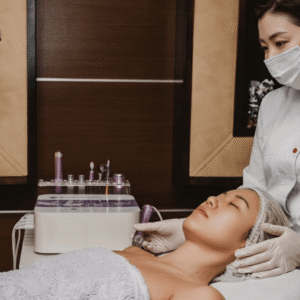
Clinic add-ons in Korea
- Blue LED light therapy for inflammation
- Acne extraction with sterilized tools
- Scaling (Korean exfoliation + hydration facial)
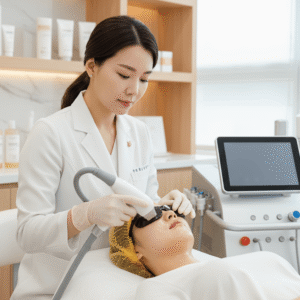
- Pico laser or IPL for acne marks and redness
Recovery
- 2–4 weeks → reduced oiliness, early breakouts begin calming
- 6–8 weeks → fewer new pimples, PIH starts fading
- 3–6 months → smoother texture, more stable skin with fewer flare-ups
Clinics in Korea encourage pairing acne routines with monthly in-office treatments for faster results.
Complications Without Proper Care
- Persistent breakouts and scarring
- PIH (dark spots) lasting for months
- Redness and irritation from overusing harsh products
- Weak barrier → skin becomes sensitive and acne worsens
- Poor compliance → frequent switching of products prevents improvement
Treatment Options in Korea
Key acne-fighting ingredients in Korean skincare
- Salicylic acid (BHA)
- Niacinamide
- Tea tree oil
- Centella asiatica (Cica)
- Propolis
- Azelaic acid (increasingly used in Korean formulas)
Popular Korean acne-friendly brands
- COSRX (acne patches, BHA toners)
- Some By Mi (AHA-BHA-PHA line)
- Dr. Jart+ Teatreement (tea tree-based)
- Isntree (gentle acids and calming serums)
- Etude House Soon Jung (minimalist for sensitive acne-prone skin)
Signature Korean acne routines
- Oily acne → salicylic acid cleanser + niacinamide serum + oil-control sunscreen
- Sensitive acne → centella serum + lightweight ceramide cream + mineral SPF
- Acne with pigmentation → retinoid + tranexamic acid/niacinamide + SPF cushion for daily reapplication
- Post-acne scars → retinoid routine + clinic-based RF microneedling or pico laser
Preventive K-beauty trend
- Many Koreans in their teens and 20s use acne patches, gentle exfoliants, and soothing creams as preventive care
- Focus on healing without scarring rather than just drying pimples
Medical tourism appeal
- International patients often come to Korean dermatology clinics for acne scar treatments and pigmentation correction, combined with take-home acne-safe skincare kits.
Key Point
An acne routine in Korea emphasizes gentle cleansing, smart exfoliation, targeted treatment, barrier repair, and daily SPF, with in-clinic add-ons for faster improvement. By combining evidence-based ingredients, soothing botanicals, and advanced clinic care, Korean dermatology helps patients achieve clearer, calmer, and healthier skin while minimizing scars and pigmentation.