
What It Is
Zygoma fracture ORIF (Open Reduction and Internal Fixation) is a surgical procedure to treat fractures of the zygomatic bone (cheekbone). The zygoma is a key facial structure that provides contour, supports the orbit (eye socket), and contributes to chewing function.
When fractured due to trauma, accidents, or sports injuries, the cheekbone may become displaced, leading to facial asymmetry, vision problems, or impaired jaw movement. ORIF involves surgically repositioning the fractured bone fragments (open reduction) and securing them with plates and screws (internal fixation) to restore normal anatomy and function.
Why It’s Done
Patients undergo zygoma fracture ORIF because:
- The cheekbone is visibly depressed or displaced, causing asymmetry.
- They experience difficulty opening the mouth or chewing.
- Eye-related symptoms such as double vision, orbital floor damage, or enophthalmos (sunken eye) are present.
- Untreated fractures could lead to permanent deformity or impaired function.
Good candidates include:
- Patients with moderate to severe fractures confirmed by CT scan.
- Those in overall good health who can tolerate surgery.
- Individuals seeking both functional recovery and cosmetic correction.
Alternatives
- Observation: Minor, non-displaced fractures may heal without surgery.
- Closed reduction: A non-invasive method to reposition bones, though less precise than ORIF.
- Bone grafts or implants: Used if fracture causes significant bone loss.
Preparation
Before undergoing zygoma ORIF in Korea, patients will:
- Have a CT scan and 3D imaging to assess the fracture and plan surgery.
- Undergo ophthalmologic evaluation if the orbit is involved.
- Stop smoking and alcohol 2–4 weeks before surgery.
- Avoid blood-thinning medications and supplements.
- Be counseled about scarring, healing time, and expected results.
How It’s Done
- Anesthesia: General anesthesia is required.
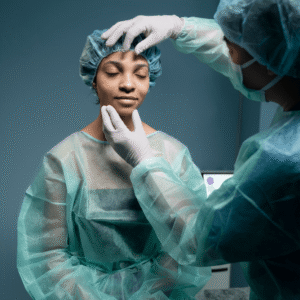
- Incisions: Small incisions may be made inside the mouth, eyelid, or hairline to minimize visible scars.
- Bone repositioning: The displaced zygoma is realigned to its normal position.
- Fixation: Titanium plates and screws are used to stabilize the bone.
- Closure: Incisions are closed with fine sutures.
- Duration: 1–3 hours depending on complexity.
Recovery
- First week: Swelling, bruising, and mild pain are common. Cold compresses and pain medication help.
- Hospital stay: Usually 2–5 days.
- Stitches: Removed after 5–10 days if non-dissolvable.
- Return to activities: Light activity after 1–2 weeks; strenuous exercise after 4–6 weeks.
- Final results: Facial symmetry and function typically restored within 2–3 months.
Possible Complications
- Infection or delayed wound healing.
- Numbness in the cheek, upper lip, or gums due to nerve involvement.
- Visible scarring (rare with hidden incisions).
- Incomplete correction or asymmetry.
- Rare risks: implant loosening or need for revision surgery.
Treatment Options in Korea
Diagnosis
Korean surgeons use high-resolution CT scans, 3D reconstruction, and digital surgical planning to evaluate fracture severity and design the surgical approach.
Medical Treatments
- Pain management, antibiotics, and anti-inflammatory medications for mild fractures.
- Temporary stabilization with splints if surgery is delayed.
Surgical or Advanced Therapies
- ORIF with titanium plates and screws for stable fixation.
- Endoscopic-assisted ORIF to minimize scarring.
- Combined orbital floor repair if eye socket structures are damaged.
- Bone grafting or custom implants for severe fractures with bone loss.
Rehabilitation and Support
- Postoperative monitoring for vision and nerve recovery.
- Scar management with silicone gels or laser if needed.
- Physiotherapy for jaw mobility if restricted.
- International patients benefit from Korea’s specialized facial trauma centers, advanced surgical techniques, and multilingual care teams.