
What It Is
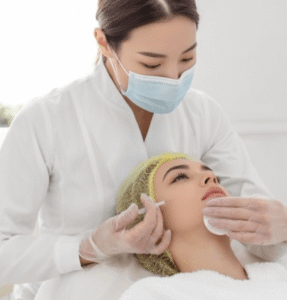
Under-eye fat removal surgery is a cosmetic procedure that targets puffiness and bags beneath the eyes by removing or reducing excess orbital fat. This procedure helps create a smoother, rejuvenated lower eyelid contour, reducing signs of aging and fatigue. It differs from fat repositioning in that the fat is excised rather than relocated.
Why It’s Done
Patients opt for under-eye fat removal to:
- Eliminate prominent under-eye bags
- Achieve a youthful, refreshed appearance
- Correct puffiness due to genetics, aging, or fluid retention
- Improve confidence and facial aesthetics
Ideal candidates are adults with moderate to severe lower eyelid fat protrusion, good skin elasticity, and realistic expectations.
Alternatives
- Fat repositioning to smooth tear troughs while retaining volume
- Dermal fillers to camouflage under-eye hollows
- Non-surgical skin tightening (laser or radiofrequency)
Preparation
- Preoperative consultation with evaluation of eyelid anatomy and orbital fat
- Medical history review and lab tests
- Avoid blood-thinning medications, alcohol, and smoking
- Fasting if general anesthesia is planned
How It’s Done
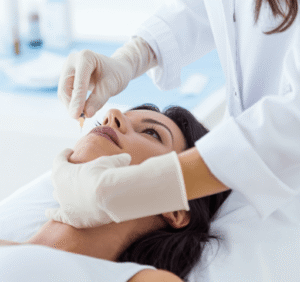
- Performed under local anesthesia with sedation or general anesthesia
- Incisions made either on the lower eyelid skin (transcutaneous) or inside the eyelid (transconjunctival)
- Excess fat carefully excised while preserving surrounding structures
- Incisions closed with fine sutures if necessary
- Procedure duration: approximately 1–2 hours; often outpatient
Recovery
- Swelling and bruising last about 1–2 weeks
- Mild discomfort managed with cold compresses and medication
- Sutures removed in 5–7 days if used
- Avoid strenuous activity, eye rubbing, and sun exposure
- Final results visible in 4–6 weeks
Possible Complications
- Temporary swelling, bruising, or numbness
- Asymmetry or under/overcorrection
- Dry eyes or irritation
- Rare: infection, hematoma, scarring
Treatment Options in Korea
Diagnosis
Korean specialists assess under-eye fat pads, skin laxity, and orbital anatomy. Advanced imaging or 3D simulation may be used for precise planning.
Medical Treatments
Non-surgical fillers can mask hollows temporarily but cannot remove fat.
Surgical or Advanced Therapies
Korean surgeons utilize minimally invasive transconjunctival techniques for scarless fat removal and natural contouring. Procedures are often combined with skin tightening or laser therapy for optimal results.
Rehabilitation and Support
Postoperative care includes follow-ups, swelling management, eye ointments, protective measures, and access to international patient services to ensure smooth recovery.
Advantages of receiving treatment in Korea: highly skilled surgeons, advanced surgical methods, minimal scarring, natural outcomes, cost-effective procedures, and comprehensive care for international patients.