What It Is
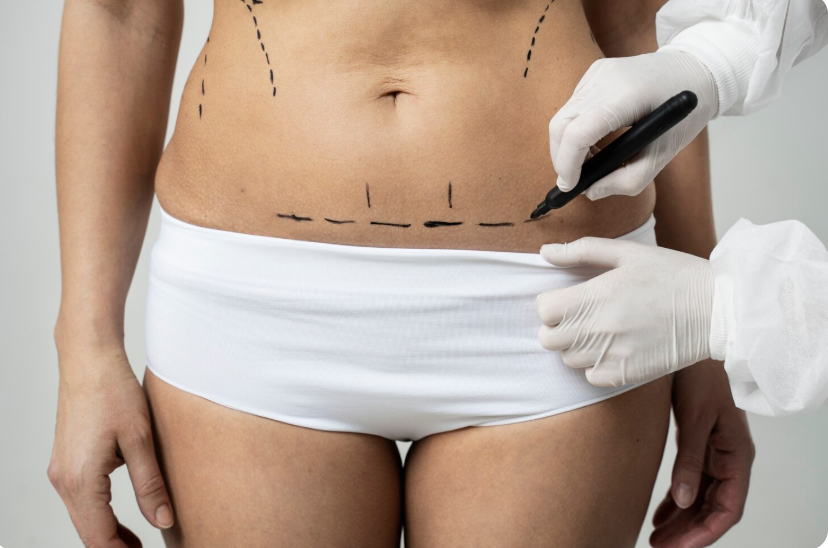
Umbilicoplasty, also known as belly button surgery, is a cosmetic procedure that reshapes or reconstructs the navel (umbilicus). It can be performed alone or as part of other abdominal surgeries such as liposuction, abdominoplasty (tummy tuck), or hernia repair.
In Korea, umbilicoplasty is a popular aesthetic procedure performed in advanced plastic surgery clinics. Surgeons use refined techniques to create a natural-looking, aesthetically pleasing belly button shape, often tailored to patient preferences and body proportions.
Why It’s Done
Umbilicoplasty is sought for both cosmetic and corrective reasons. Patients choose this procedure to:
- Correct an outie belly button or transform it into an innie.
- Improve the appearance of the navel after pregnancy, weight changes, or aging.
- Refine the belly button shape after previous abdominal surgeries (such as a C-section or tummy tuck).
- Repair a stretched, asymmetrical, or sagging navel.
- Increase self-confidence, particularly when wearing swimsuits, crop tops, or tight-fitting clothing.
Alternatives
Alternatives to umbilicoplasty are limited, but may include:
- Non-surgical skin tightening: Laser or radiofrequency treatments to improve mild sagging around the belly button (not effective for structural reshaping).
- Tattoo camouflage: For minor irregularities, though this does not change the shape.
- Combined surgery: If significant abdominal skin laxity is present, an abdominoplasty (tummy tuck) may be a better option, with umbilicoplasty performed at the same time.
Preparation
Before undergoing umbilicoplasty, patients typically go through the following steps:
- Consultation: Discussion of goals, preferred navel shape, and overall abdominal aesthetics with a plastic surgeon.
- Medical evaluation: Review of health history and any prior abdominal procedures.
- Lifestyle adjustments: Avoiding smoking and alcohol for 1–2 weeks prior to surgery.
- Medication review: Stopping blood-thinning medications or supplements that may increase bleeding risk.
- Recovery planning: Arranging a few days off from strenuous activities or work.
How It’s Done
Umbilicoplasty is usually performed under local anesthesia with sedation and takes about 30–60 minutes. The steps include:
- Incision: A small incision is made inside or around the navel to minimize visible scarring.
- Reshaping: Excess skin or scar tissue is removed, and the belly button is sculpted into the desired size and shape (usually a smaller, oval, or vertical innie).
- Reinforcement: Sutures are placed internally to maintain the new shape and prevent distortion.
- Closure: The incision is closed with fine sutures, hidden within the natural folds of the navel.
Patients typically go home the same day.
Recovery
Recovery from umbilicoplasty is relatively quick:
- First few days: Mild swelling, bruising, and tenderness are common. Dressings are applied to protect the area.
- Return to work: Most patients resume light activities within 2–3 days.
- Restrictions: Strenuous exercise, swimming, and heavy lifting should be avoided for 2–3 weeks.
- Follow-up: Stitches may be removed after 7–10 days, depending on the technique used.
- Final results: Visible within a few weeks, with scars fading significantly over several months.
Possible Complications
While considered safe, umbilicoplasty carries some risks, including:
- Infection or delayed healing.
- Asymmetry or unsatisfactory navel shape.
- Scar visibility (though usually minimal and hidden).
- Temporary numbness or skin sensitivity changes.
- Rare complications such as tissue necrosis or allergic reaction to sutures.
Treatment Options in Korea
Diagnosis
- Detailed consultation with a plastic surgeon.
- Evaluation of abdominal contour and skin condition.
- Custom planning of belly button shape (round, oval, vertical, or natural innie).
Medical Treatments
- Use of local anesthesia for a safe, quick, and minimally invasive procedure.
- Post-surgery medications for pain management and infection prevention.
Surgical or Advanced Therapies
- Standard umbilicoplasty: Reshaping the navel for aesthetic refinement.
- Reconstructive umbilicoplasty: Performed after abdominal surgery or hernia repair.
- Combined procedures: Often performed with tummy tuck, liposuction, or body contouring surgery.
Rehabilitation and Support
- Scar care therapies (silicone gels or laser treatment).
- Follow-up appointments to ensure proper healing.
- International patient coordinators providing translation and support throughout the treatment journey.