What It Is
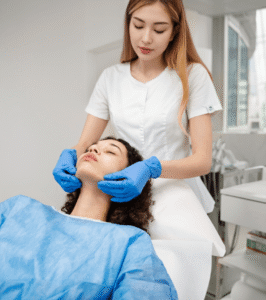
Structural fat grafting, also called autologous fat transfer, is a surgical technique where a patient’s own fat is harvested from areas like the abdomen, thighs, or flanks, purified, and reinjected into targeted regions. Unlike superficial filler injections, structural fat grafting places fat in multiple layers, creating a more stable foundation and longer-lasting, natural results. It is widely used for facial rejuvenation, body contouring, and reconstructive purposes.
Why It’s Done
- Cosmetic reasons: Restoring youthful facial volume, filling hollow areas such as the cheeks, under-eyes, and temples, smoothing deep wrinkles, and enhancing lips or jawline.
- Medical or reconstructive purposes: Correcting defects caused by trauma, surgery, scarring, or congenital asymmetry.
- Regenerative benefits: Fat contains stem cells and growth factors that can improve skin texture and overall tissue quality.
Candidates are typically healthy adults with enough donor fat. Smokers or people with poor circulation or medical conditions may face higher risks.
Alternatives
- Surgical: Implants for breast or facial augmentation, or larger-volume fat transfers.
- Non-surgical: Dermal fillers, such as hyaluronic acid, which provide temporary results.
- Minimally invasive: Nanofat or microfat techniques, which are better for skin quality improvement and subtle refinements rather than major volume replacement.
Preparation
Before undergoing the procedure, patients usually:
- Attend a consultation where their medical history and goals are reviewed.
- Undergo examinations of both donor and target areas, sometimes with imaging or lab tests.
- Stop smoking and avoid blood-thinning medications or supplements for a period before surgery.
- Receive instructions about fasting or lifestyle adjustments depending on the anesthesia type.
How It’s Done
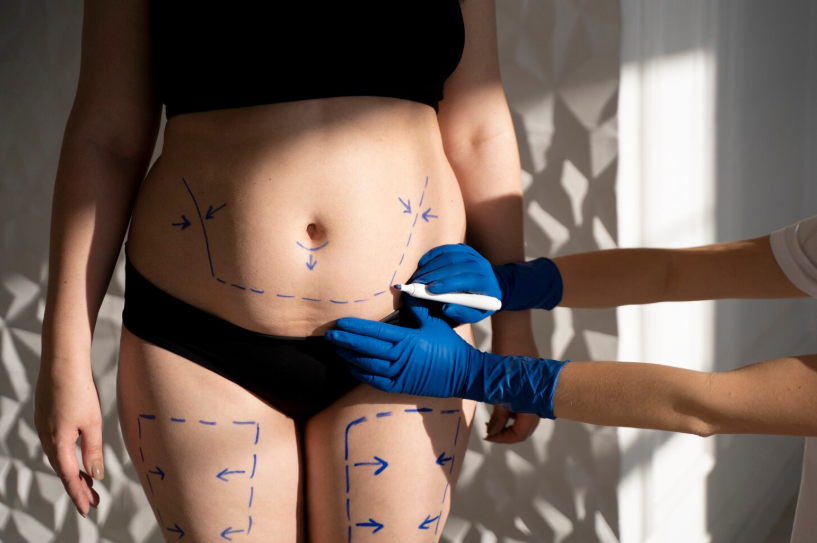
- Harvesting: Fat is carefully removed from donor sites using liposuction techniques.
- Processing: The fat is purified through centrifugation or filtration to isolate healthy fat cells. Some clinics in Korea may enrich the fat with stem cells or regenerative components.
- Injection: The processed fat is reinjected into the treatment area in multiple layers using fine cannulas, ensuring even distribution and natural contouring.
- Type: Minimally invasive compared to traditional surgery, but more extensive than simple filler injections.
- Anesthesia: Local anesthesia with sedation for small areas; general anesthesia for larger-volume procedures.
- Duration: Facial fat grafting usually takes 1–2 hours; larger body procedures may take longer.
- Hospitalization: Most are outpatient with same-day discharge.
Recovery
- Downtime: Swelling and bruising are common in the first week; improvements are visible within weeks, with results stabilizing over several months.
- Pain and wound care: Discomfort is typically mild and controlled with standard pain relief; donor sites require basic wound care.
- Follow-up: Regular visits to monitor graft survival and healing.
- Return to normal life: Most daily activities can resume within a few days, while heavy exercise may be restricted for a few weeks.
Possible Complications
- Short-term: Swelling, bruising, temporary numbness, and uneven texture.
- Long-term: Partial fat resorption, asymmetry, or contour irregularities. Around 30–50% of the fat may be absorbed by the body.
- Rare but serious: Fat necrosis, cysts, infection, hematoma, or fat embolism.
Treatment Options in Korea
Diagnosis
Korean clinics emphasize thorough preoperative assessments, including physical examination, donor site evaluation, and often digital imaging to design a customized plan.
Medical and Non-Surgical Care
Structural fat grafting is sometimes combined with regenerative treatments such as nanofat injections, PRP (platelet-rich plasma), or stem-cell–based therapies to enhance tissue quality and graft survival.
Surgical and Advanced Therapies
Korea is known for advanced purification methods, stem-cell enriched fat transfers, and highly precise injection techniques. Clinics often combine structural fat grafting with other procedures, such as facelifts or eyelid surgery, for comprehensive rejuvenation.
Rehabilitation and Support
After treatment, patients typically receive detailed care instructions, which may include wearing compression garments, maintaining hydration, and avoiding pressure on treated areas. International clinics in Seoul, especially in Gangnam, provide multilingual support, recovery programs, and follow-up care tailored for overseas patients.