
What It Is
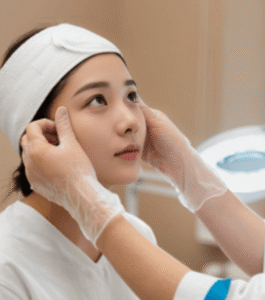
A short-scar facelift is a less invasive facelift procedure designed to lift and rejuvenate the lower face and jawline with smaller incisions than traditional facelifts. The procedure targets sagging cheeks, jowls, and midface areas while minimizing visible scarring. It is particularly suitable for patients with mild to moderate signs of aging who want natural results without extensive downtime.
Why It’s Done
Patients opt for a short-scar facelift to:
- Reduce jowls and sagging skin along the jawline
- Lift the cheeks and midface subtly
- Achieve a more youthful appearance with minimal scarring
- Avoid longer surgery and recovery associated with full facelifts
- Combine with other procedures like neck lift, eyelid surgery, or fat grafting for enhanced results
Alternatives
- Mini facelift: Focuses primarily on the lower face with slightly larger incisions
- Thread lifts or non-surgical skin tightening (Ultherapy, Thermage): Non-invasive options with temporary results
- Deep plane or SMAS facelift: More comprehensive solutions for advanced aging
Preparation
- Consultation with a Korean plastic surgeon to evaluate skin elasticity and facial structure
- Preoperative testing, including blood work and anesthesia clearance
- Avoidance of smoking, alcohol, and blood-thinning medications prior to surgery
- Detailed discussion of patient goals and realistic outcomes
How It’s Done
- Performed under local anesthesia with sedation or general anesthesia, depending on the surgeon’s protocol
- Incisions are placed discreetly around the temples and in front of the ears
- The underlying SMAS layer is lifted and tightened, while excess skin is removed
- Surgery usually lasts 2–3 hours
- Many patients can go home the same day or stay overnight in a Korean clinic for monitoring
Recovery
- Swelling and mild bruising are common for 1–2 weeks
- Light activities can resume after 1–2 weeks, with full activity after 3–4 weeks
- Sutures are typically removed within 5–10 days
- Postoperative care includes cold compresses, gentle facial massage, and follow-up visits to ensure optimal healing
Possible Complications
- Temporary swelling, bruising, or numbness
- Minor scarring, which usually fades over time
- Rare risks include infection, hematoma, or asymmetry
- Choosing an experienced Korean surgeon reduces the likelihood of complications
Treatment Options in Korea
Diagnosis
Korean surgeons use 3D imaging, facial analysis, and detailed consultations to determine whether a short-scar facelift is appropriate and to plan incision placement and tissue lifting.
Medical Treatments
Non-surgical alternatives include thread lifting, fillers, Botox, and skin-tightening devices, which can be used for mild sagging or to maintain facelift results.
Surgical or Advanced Therapies
- Short-scar facelift techniques that lift the midface and lower face
- Can be combined with neck lifts, fat grafting, or eyelid surgery for comprehensive rejuvenation
- Surgeons employ precise, minimally invasive techniques to optimize results while minimizing downtime and scarring
Rehabilitation and Support
- Postoperative programs include swelling and bruising management, scar care, follow-up consultations, and guidance on activity restrictions
- International patients benefit from translation services, accommodation assistance, and recovery coordination
- Korean clinics emphasize patient comfort, long-term monitoring, and aesthetic outcomes
Advantages of receiving a short-scar facelift in Korea:
- Experienced surgeons specialized in minimally invasive facial rejuvenation
- Advanced technology and precise surgical planning for natural results
- Cost-effective procedures compared to Western countries
- Shorter recovery time and discreet incisions
- Comprehensive support for international patients