What It Is
Rib Cartilage Rhinoplasty is a surgical procedure that uses cartilage harvested from the patient’s rib to reconstruct or augment the nose. This technique is particularly useful for patients requiring substantial dorsal or tip augmentation, revision rhinoplasty, or correction of severe nasal deformities. Rib cartilage provides a strong, durable graft that can support both aesthetic and functional outcomes.
Why It’s Done
Rib cartilage rhinoplasty is often chosen when:
- Previous rhinoplasty surgeries have depleted septal or ear cartilage
- Significant nasal reconstruction is required
- Strong support is needed for the nasal tip or dorsum
- Patients have congenital deformities or trauma-related nasal deficiencies
This approach allows for precise shaping and long-lasting results, particularly in complex or revision cases.
Alternatives
Alternatives may include:
- Septal cartilage grafts, suitable for minor augmentations
- Ear cartilage grafts, which are less robust but can be used for small tip corrections
- Alloplastic implants, though they carry a higher risk of extrusion or infection
- Non-surgical fillers for temporary correction, suitable only for mild augmentations
Preparation
Preparation for rib cartilage rhinoplasty involves:
- Detailed consultation with a Korean plastic surgeon to assess nasal and chest anatomy
- Avoiding smoking, alcohol, and blood-thinning medications prior to surgery
- Completing preoperative lab tests and imaging
- Fasting before surgery if general anesthesia is planned
How It’s Done
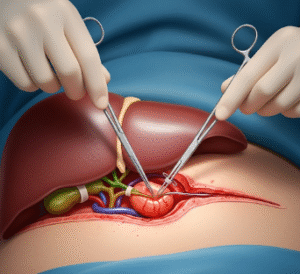
The surgery is performed under general anesthesia. A small incision is made to harvest rib cartilage, typically from the patient’s chest wall. The harvested cartilage is then sculpted to the desired shape and carefully implanted into the nasal structure. The procedure typically lasts 2–4 hours and may require an overnight hospital stay, depending on the complexity.
Recovery
Postoperative care focuses on:
- Pain management at both the donor and nasal sites
- Swelling and bruising reduction with cold compresses and medications
- Avoiding strenuous activities and trauma to the nose
- Follow-up visits to monitor healing and ensure proper graft integration
Most patients can resume light daily activities within 1–2 weeks, with full recovery taking several months.
Possible Complications
Potential risks include:
- Donor site pain, scarring, or infection
- Graft warping or resorption
- Asymmetry or unsatisfactory aesthetic results
- Breathing difficulties if improper placement occurs
Selecting an experienced Korean surgeon minimizes these risks and ensures optimal outcomes.
Treatment Options in Korea
Diagnosis
Korean surgeons use thorough nasal examinations, 3D imaging, and simulations to plan the graft and predict postoperative results accurately.
Medical Treatments
Non-surgical options, such as fillers, can provide temporary dorsal augmentation but do not offer the structural support needed for major reconstructions.
Surgical or Advanced Therapies
Korea’s advanced rhinoplasty centers utilize precise rib cartilage harvesting, meticulous sculpting, and minimally invasive insertion techniques to ensure natural-looking, durable results.
Rehabilitation and Support
Patients receive detailed postoperative instructions, pain management strategies, follow-up consultations, and international patient support for smooth recovery.
Advantages of receiving treatment in Korea: highly skilled surgeons, cutting-edge techniques, advanced imaging and planning tools, excellent aesthetic outcomes, and cost-effective procedures for international patients.