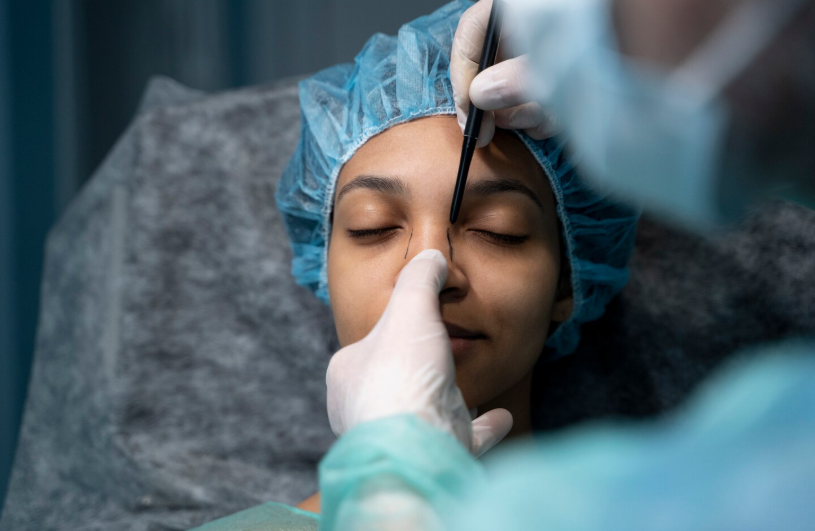
What It Is
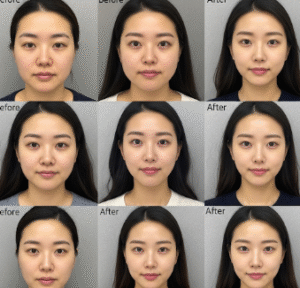
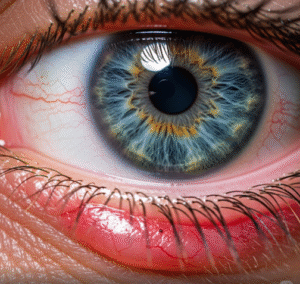
Revisional eyelid surgery is a corrective procedure performed to address unsatisfactory results or complications from a previous eyelid surgery. This may include asymmetry, scarring, overcorrection, undercorrection, or unnatural eyelid folds. The procedure aims to restore both aesthetic appearance and eyelid function.
Why It’s Done
Patients seek revisional eyelid surgery to:
- Correct asymmetrical eyelids
- Restore natural eyelid folds
- Improve eyelid function if prior surgery caused drooping or impaired vision
- Remove excess scarring or adhesions
- Achieve long-lasting, balanced cosmetic results
Revisional surgery is often more complex than the initial procedure and is typically recommended after full healing from the primary surgery.
Alternatives
- Non-surgical options like Botox or filler injections for minor corrections
- Temporary adhesives or tapes to camouflage asymmetry
- Laser treatments for minor scar improvement
Preparation
- Comprehensive consultation with a skilled Korean plastic surgeon to assess previous surgical outcomes
- Review of surgical history, including incision type, healing, and any complications
- Eye examination and imaging to plan the revision accurately
- Avoid blood-thinning medications and smoking before surgery
How It’s Done
- Procedure may be performed under local anesthesia with sedation or general anesthesia
- The surgeon carefully reopens or adjusts previous incisions, reshapes eyelid tissue, and corrects asymmetry
- Fat removal, repositioning, or skin excision may be performed as needed
- Surgery duration varies depending on complexity, usually 1–3 hours
Recovery
- Swelling and bruising may last longer than initial surgery
- Follow-up visits are essential to monitor healing and adjust sutures if necessary
- Patients should avoid rubbing eyes, strenuous activity, and makeup until fully healed
- Recovery support includes specialized care instructions and eye protection guidance
Possible Complications
- Temporary or permanent asymmetry
- Overcorrection or undercorrection
- Scarring or adhesion formation
- Swelling, bruising, or mild discomfort
- Rare infection or hematoma
Treatment Options in Korea
Diagnosis
Korean surgeons evaluate eyelid anatomy, prior surgical outcomes, and tissue conditions. Imaging and detailed physical assessment help guide precise corrections.
Medical Treatments
Minor aesthetic issues may be temporarily managed with fillers, tape, or laser scar treatments.
Surgical or Advanced Therapies
Advanced revisional eyelid techniques in Korea involve meticulous tissue handling, micro-incisions, and precise repositioning for optimal symmetry and function. Surgeons use high-resolution magnification tools and minimally invasive methods when possible.
Rehabilitation and Support
Postoperative care includes managing swelling, suture monitoring, regular follow-ups, and guidance for international patients to ensure smooth recovery and satisfaction.
Advantages of receiving treatment in Korea: Highly experienced surgeons specializing in complex revisions, advanced techniques for precise correction, access to cutting-edge equipment, cost-effective procedures, and comprehensive support for international patients.