What it is
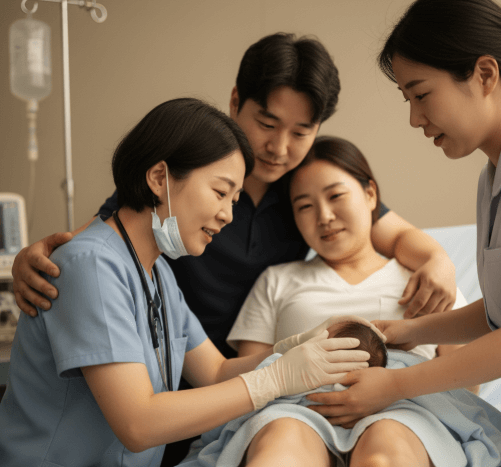
Vaginal delivery support refers to the comprehensive medical, emotional, and physical assistance provided to women during labor and childbirth through the vaginal route. This support includes everything from pain management, monitoring mother and baby, to guidance on pushing and immediate postpartum care. In Korea, hospitals and maternity centers are well-equipped with modern facilities and highly trained staff to ensure a safe and positive birth experience.
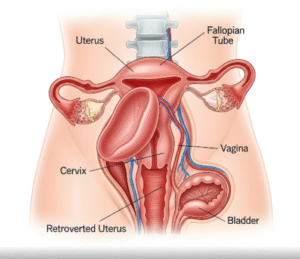
Vaginal delivery is often regarded as the most natural method of childbirth, where the baby passes through the birth canal. With proper support, it reduces risks of complications and promotes quicker recovery compared to surgical options.
➡️ Key elements of vaginal delivery support include:
- Continuous monitoring of fetal heart rate and maternal well-being
- Pain relief options such as epidurals, breathing techniques, or natural remedies
- Emotional support from obstetricians, midwives, and family members
- Immediate newborn care like skin-to-skin contact and breastfeeding initiation
Why it’s done
The primary reason for offering vaginal delivery support is to ensure safe, comfortable, and efficient childbirth.
✔️ Benefits for mothers:
- Faster physical recovery compared to cesarean section
- Reduced surgical risks
- Early bonding with the baby
✔️ Benefits for babies:
- Passage through the birth canal helps clear fluid from lungs
- Exposure to beneficial maternal bacteria that strengthen immunity
✔️ Medical necessity:
- Helps reduce complications like prolonged labor, fetal distress, or maternal exhaustion by providing continuous care
Alternatives
While vaginal delivery is often the preferred method, alternatives are available when complications arise or preferences differ.
🔹 Cesarean Section (C-section):
- Performed surgically when vaginal delivery poses risks to mother or baby
- Common reasons include breech presentation, placenta previa, or fetal distress
🔹 Assisted Vaginal Delivery:
- Use of forceps or vacuum extraction if labor stalls or the baby needs help moving through the birth canal
🔹 Elective C-section:
- Some mothers may choose this option for personal, medical, or psychological reasons
Preparation
Preparation for vaginal delivery is crucial to ensure both mother and baby are ready for the process.
➡️ Physical preparation:
- Attending prenatal check-ups regularly
- Practicing pelvic floor exercises for easier pushing
- Maintaining a balanced diet and staying active
➡️ Mental preparation:
- Joining childbirth education classes
- Learning breathing and relaxation techniques
- Preparing a birth plan to discuss preferences with the healthcare provider
➡️ Logistics:
- Packing a hospital bag in advance
- Choosing a hospital or maternity center with good support services
- Arranging transportation and family support
How it’s done
The vaginal delivery process in Korea is usually well-organized with medical teams supporting the mother at every stage.
✔️ Stage 1 – Early and Active Labor
- Monitoring contractions and baby’s heart rate
- Encouraging movement, walking, or birthing positions
- Pain relief options offered, such as epidural anesthesia or breathing exercises
✔️ Stage 2 – Delivery of the Baby
- Guidance on effective pushing techniques
- Doctors or midwives assist with safe passage of the baby
- If needed, interventions like vacuum extraction or forceps are used carefully
✔️ Stage 3 – Delivery of the Placenta
- The placenta is delivered after the baby
- The uterus is massaged to reduce bleeding
✔️ Immediate Postpartum Care
- Baby is placed on mother’s chest for skin-to-skin bonding
- Initial breastfeeding support is provided
- Mother’s vitals and uterine contractions are closely monitored
Recovery
Recovery after vaginal delivery is usually faster than after a cesarean section, though it varies for each woman.
➡️ Physical recovery:
- Most mothers resume normal activities within a few weeks
- Mild perineal pain, swelling, or stitches may occur
- Bleeding (lochia) continues for 4–6 weeks
➡️ Emotional recovery:
- Support from family and medical staff helps prevent postpartum depression
- Counseling and lactation support are available
➡️ Key recommendations for recovery:
- Adequate rest and hydration
- Eating nutrient-rich foods
- Gentle exercises once approved by the doctor
- Regular follow-up check-ups
Treatment option in Korea
Korea offers advanced and patient-centered support for vaginal delivery, making it a trusted destination for maternity care.
✔️ Hospital facilities:
- Equipped with state-of-the-art monitoring systems
- Comfortable labor rooms with family-friendly policies
- Specialized neonatal intensive care units (NICUs) for at-risk newborns
✔️ Medical expertise:
- Experienced obstetricians, midwives, and anesthesiologists
- Use of pain management techniques like epidurals, nitrous oxide, or natural remedies
✔️ Holistic support:
- Postpartum care centers (“Sanhujoriwon”) where mothers receive physical recovery therapies, nutrition, and mental health support
- Breastfeeding education and newborn care guidance
✔️ Cultural aspect:
- Strong emphasis on mother’s rest and recovery after birth
- Family involvement encouraged during labor and postpartum care
➡️ Highlight: Vaginal delivery support in Korea blends modern medical technology with traditional postpartum care, ensuring both mother and baby receive the best start in life.