
Flu vaccine in Korea
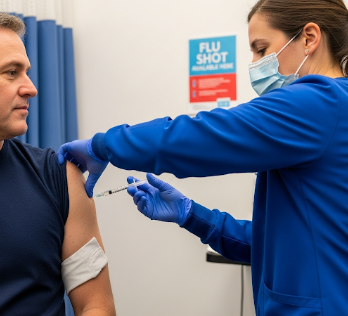
What is the Flu Vaccine? The flu vaccine, also called the influenza vaccine, is a preventive immunization that protects against seasonal influenza viruses. It stimulates the immune system to recognize and fight influenza strains, reducing the risk of infection, hospitalization, and complications. 💡 Types of Flu Vaccines: ✔️ Inactivated Influenza Vaccine (IIV) – Contains killed […]
Epidural in Korea
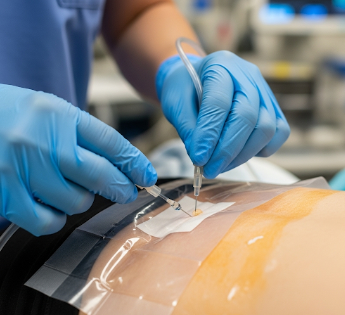
What is an Epidural? An epidural is a medical procedure in which medication is injected into the epidural space surrounding the spinal cord to provide pain relief or anesthesia. It is commonly used for: 💉 Types of Epidural: ✔️ Labor Epidural – Pain relief during childbirth✔️ Surgical Epidural – Anesthesia for abdominal, thoracic, or orthopedic […]
Endoscopy in Korea
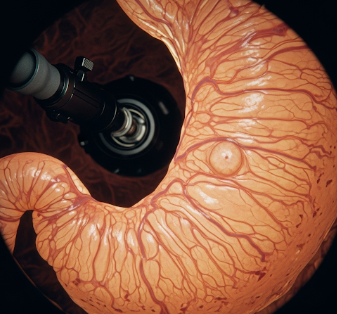
What is an Endoscopy? An endoscopy is a medical procedure that allows doctors to view the inside of the digestive tract or other hollow organs using a flexible tube called an endoscope, which has a camera and light at its tip. 💡 Types of Endoscopy include: ✔️ Upper gastrointestinal (GI) endoscopy / Gastroscopy – Examines […]
Electrocardiogram (ECG) in Korea
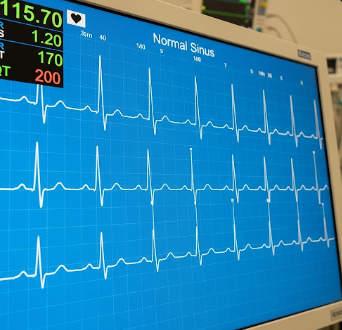
What is an Electrocardiogram (ECG)? An electrocardiogram (ECG or EKG) is a non-invasive test that measures the electrical activity of the heart. It provides crucial information about the heart’s rhythm, rate, and conduction pathways, helping detect abnormalities such as arrhythmias, ischemia, or previous heart attacks. There are different types of ECGs: ✔️ Resting ECG – […]
Echocardiogram in Korea
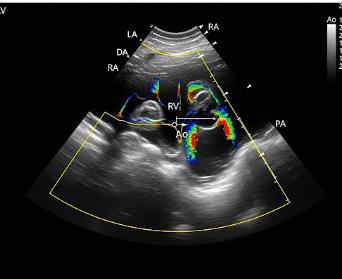
What is an Echocardiogram? An echocardiogram is a non-invasive imaging test that uses ultrasound waves to create detailed images of the heart. It evaluates the structure, function, and blood flow of the heart, allowing physicians to diagnose a wide range of cardiac conditions. There are several types of echocardiograms: ✔️ Transthoracic Echocardiogram (TTE) – Standard, […]
COVID-19 vaccine in Korea
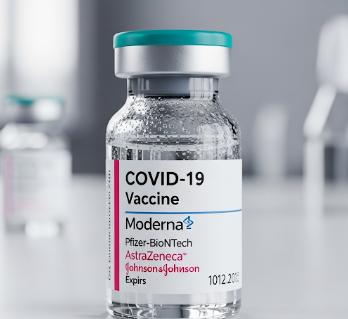
Overview The COVID-19 vaccine is a biological preparation that provides immunity against SARS-CoV-2, the virus responsible for COVID-19. Vaccination is a critical tool in preventing infection, severe disease, and mortality, and has played a central role in global pandemic control. Importance of COVID-19 vaccination: In South Korea, COVID-19 vaccines are widely available through hospitals, public […]
COVID-19 rapid lateral flow test in Korea
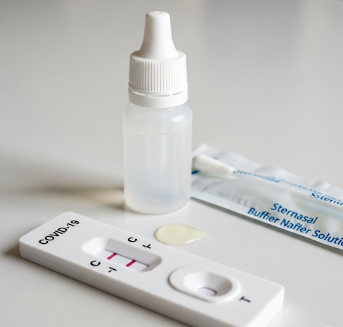
Overview The COVID-19 rapid lateral flow test (LFT) is a point-of-care diagnostic tool designed to quickly detect the presence of SARS-CoV-2 antigens in respiratory samples, usually from the nose or throat. Unlike PCR tests, rapid tests provide results within 15–30 minutes without requiring a laboratory. Importance of rapid lateral flow tests: In South Korea, rapid […]
Consent to treatment in Korea

Overview Consent to treatment is a fundamental legal and ethical requirement in healthcare, where a patient voluntarily agrees to undergo medical procedures or interventions after receiving adequate information about the risks, benefits, and alternatives. Consent ensures patient autonomy, protects their rights, and guides safe medical practice. Importance of consent: In South Korea, consent is legally […]
Circumcision in boys in Korea
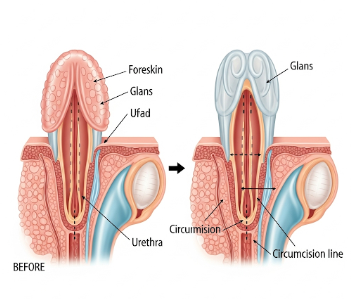
Overview Circumcision is a surgical procedure to remove the foreskin of the penis. It is one of the most commonly performed procedures in boys worldwide and is done for medical, cultural, or religious reasons. The foreskin is a retractable fold of skin that covers the glans of the penis, and removal can reduce the risk […]
Children’s flu vaccine in Korea

Overview The children’s flu vaccine is an immunization that protects children against influenza, a contagious viral infection affecting the respiratory system. Seasonal flu can lead to serious complications in children, including pneumonia, dehydration, and hospitalization. Vaccination is the most effective preventive measure. Importance of the children’s flu vaccine: In South Korea, the flu vaccine is […]