X-ray in Korea
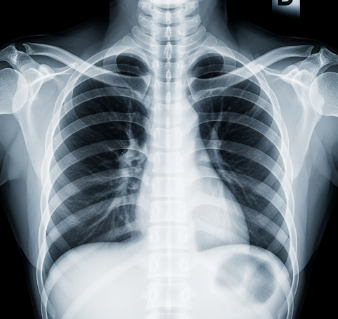
What it is An X-ray is a medical imaging technique that uses electromagnetic radiation to produce images of the inside of the body, primarily to evaluate bones, joints, and certain internal organs. ➡ Key facts: 💡 X-rays are a fundamental diagnostic tool used in medical, dental, and orthopedic care, guiding treatment and surgical planning. Why […]
Wisdom tooth removal in Korea
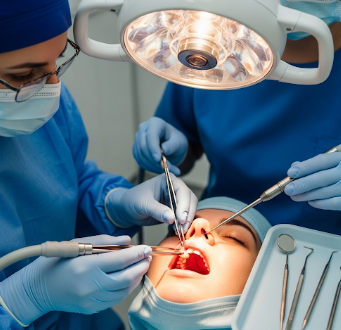
What it is Wisdom tooth removal, also called third molar extraction, is a dental procedure to remove one or more of the four permanent wisdom teeth that usually appear between the ages of 17 and 25. ➡ Key facts: 💡 Wisdom tooth removal is common, safe, and effective, preventing complications like infection, crowding, or damage […]
Ultrasound scan in Korea
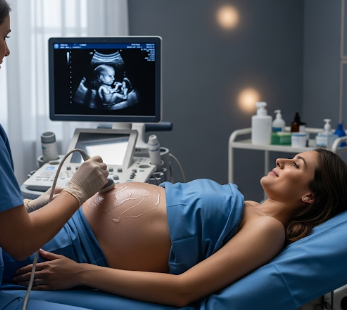
What it is An ultrasound scan (also called sonography) is a non-invasive imaging technique that uses high-frequency sound waves to produce images of internal organs, tissues, and blood flow. ➡ Key facts: 💡 Ultrasound is safe for all age groups, including pregnant women and children, and offers immediate visualization of soft tissues. Why it’s done […]
Transurethral resection of the prostate (TURP) in Korea
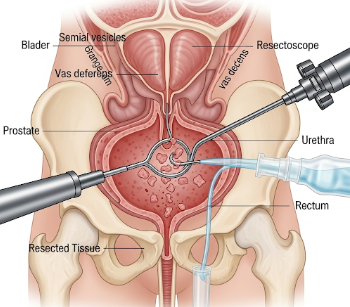
What it is Transurethral Resection of the Prostate (TURP) is a minimally invasive surgical procedure used to treat urinary problems caused by an enlarged prostate (benign prostatic hyperplasia, BPH). ➡ Key facts: 💡 TURP is considered the gold standard for surgical management of BPH, balancing effectiveness with a minimally invasive approach. Why it’s done TURP […]
Surgery (having an operation) in Korea
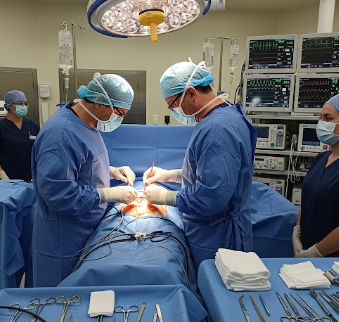
What it is Surgery is a medical procedure involving manual or instrumental techniques to diagnose, treat, repair, or remove part of the body. It can be elective, urgent, or emergency depending on the medical condition. ➡ Key facts: 💡 Surgery is a critical intervention for conditions that cannot be effectively managed by medication or non-invasive […]
Support for people who may have been affected by infected blood in Korea

What it is Support for people affected by infected blood refers to the medical, psychological, social, and financial assistance provided to individuals who have contracted bloodborne infections due to contaminated blood transfusions, plasma products, or other medical procedures. ➡ Key facts: 💡 Early intervention and comprehensive support can improve health outcomes, reduce complications, and provide […]
Sterlisation (female) in Korea
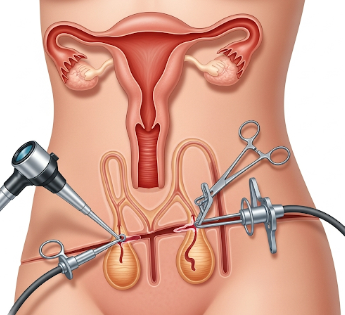
What it is Female sterilisation is a permanent method of contraception in which a woman’s fallopian tubes are blocked, cut, or sealed to prevent eggs from reaching the uterus for fertilization. ➡ Key facts: 💡 Female sterilisation is ideal for women who do not wish to conceive in the future. Why it’s done Doctors may […]
Psychiatry in Korea

What it is Psychiatry is a branch of medicine focused on the diagnosis, treatment, and prevention of mental, emotional, and behavioral disorders. Psychiatrists are medical doctors who can provide therapy, prescribe medications, and manage complex psychiatric conditions. ➡ Key points about psychiatry: 💡 Important facts: Why it’s done Psychiatry is sought to diagnose, treat, and […]
Probiotics in Korea

What it is Probiotics are live microorganisms, primarily bacteria or yeast, that provide health benefits when consumed in adequate amounts. They are commonly referred to as “good bacteria” because they help maintain a healthy balance of gut microbiota, which is essential for digestion, immunity, and overall well-being. ➡ Key points about probiotics: 💡 Important facts: […]
Pre-school booster vaccine in Korea

What it is A pre-school booster vaccine is a follow-up immunization given to children around 4–6 years old to reinforce protection against diseases they were initially vaccinated against in infancy. Boosters help maintain immunity and ensure continued protection as the child grows. ➡ Key vaccines commonly included in pre-school boosters: 💡 Important points: Why it’s […]