
Living-Donor Transplant in Korea
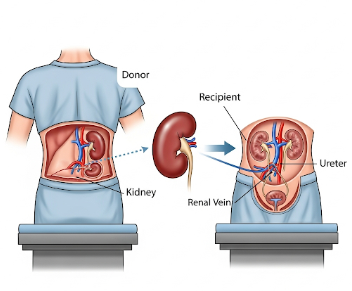
Overview A living-donor transplant is a medical procedure where a healthy person donates an organ or a portion of an organ to someone in need of a transplant. Unlike deceased-donor transplants, this method allows patients to receive organs more quickly, often before their condition worsens. Living-donor transplants are commonly performed for kidneys and partial liver […]
Lung Transplant in Korea
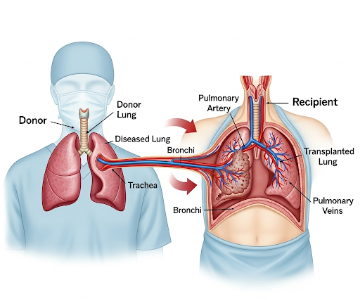
Overview A lung transplant is a major surgical procedure in which one or both diseased lungs are replaced with healthy lungs from a donor. This procedure is usually considered for patients with end-stage lung disease when all other treatments have failed. Lung transplantation can significantly improve breathing, energy levels, and overall quality of life, but […]
Bone Marrow Transplant in Korea
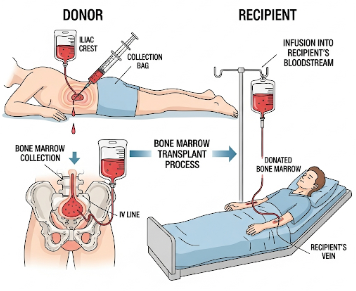
Overview A Bone Marrow Transplant (BMT), also known as a stem cell transplant, is a medical procedure that replaces damaged or diseased bone marrow with healthy stem cells. These stem cells can help the body produce new blood cells, restore immunity, and improve overall health in people with severe blood or immune system disorders. The […]
Heart Arrhythmia in Korea

Overview Heart arrhythmia is a condition where the heart beats irregularly, too fast, or too slow, disrupting the normal rhythm of the heartbeat. The heart’s electrical system controls the timing of each heartbeat, ensuring that blood flows efficiently through the body. When this system malfunctions, it can cause palpitations, dizziness, shortness of breath, and, in […]
Heart Valve Disease in Korea

Overview Heart valve disease is a condition where one or more of the four valves of the heart—the aortic, mitral, pulmonary, or tricuspid valve—do not function properly. These valves regulate blood flow through the heart’s chambers and ensure blood moves in the correct direction. When valves are damaged or diseased, the heart must work harder, […]
Sarcoma in Korea

Overview Sarcoma is a rare but serious type of cancer that develops in the body’s connective tissues, including bones, muscles, fat, nerves, cartilage, tendons, and blood vessels. Unlike more common cancers that start in organs such as the lungs or breast, sarcomas arise from the tissues that provide structure and support throughout the body. Sarcomas […]
Glioma in Korea
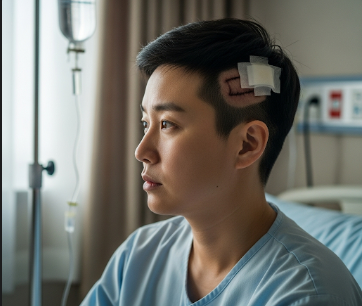
Overview Gliomas are a group of brain tumors that originate in the glial cells—the supportive cells of the nervous system that surround and protect neurons. These tumors are among the most common types of primary brain cancers, accounting for about 30% of all brain and central nervous system tumors. Gliomas vary widely in their growth […]
Congenital heart disease in adults in Korea
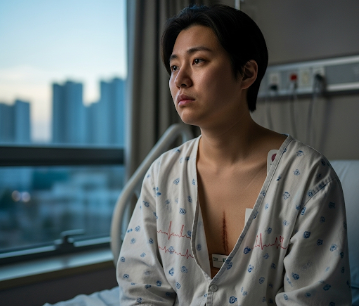
Overview Congenital heart disease (CHD) refers to structural abnormalities in the heart that are present at birth. Thanks to medical advances, many children with CHD now survive into adulthood, but they often require lifelong monitoring and treatment. Adults living with congenital heart disease may experience complications such as arrhythmias, heart failure, pulmonary hypertension, or valve […]
Colon Cancer in Korea
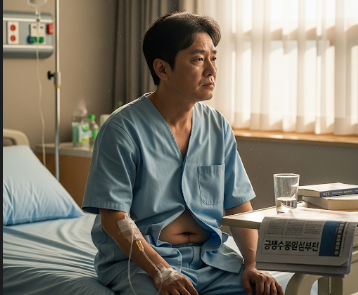
Overview Colon cancer, also called colorectal cancer when combined with rectal cancer, is one of the most common cancers worldwide. It develops in the colon (large intestine), typically starting as small, noncancerous growths called polyps. Over time, some polyps can turn into cancer if left untreated. This disease is a leading cause of cancer-related deaths […]
Brain Tumor in Korea
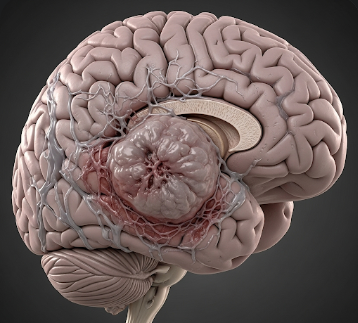
Overview A brain tumor is an abnormal growth of cells in the brain, which can be benign (non-cancerous) or malignant (cancerous). Brain tumors may originate in the brain (primary) or spread from other parts of the body (secondary or metastatic). They can compress surrounding brain tissue, disrupt neurological function, and increase intracranial pressure, leading to […]