
Diarrhoea in Korea
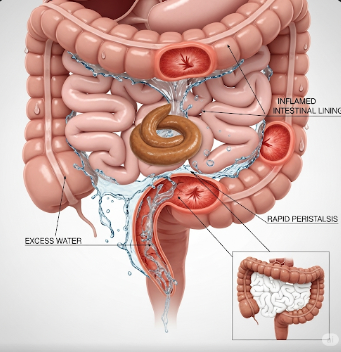
Overview Diarrhoea is a common digestive symptom characterized by frequent, loose, or watery stools. It can range from mild and self-limiting to severe and life-threatening, depending on the cause. In Korea, hospitals and gastroenterology clinics provide comprehensive diagnostics, treatment, and supportive care, helping patients manage diarrhoea effectively and prevent complications such as dehydration, nutrient deficiencies, […]
Chest Pain in Korea

Overview Chest pain is a common symptom that can arise from a variety of conditions affecting the heart, lungs, digestive system, muscles, or nerves. It can range from mild discomfort to severe, life-threatening pain, making timely evaluation essential. In Korea, hospitals provide comprehensive diagnostics, advanced imaging, and multidisciplinary treatment for chest pain, ensuring accurate identification […]
Cough in Korea

Overview Cough is a common reflex action that helps clear the airways of mucus, irritants, or foreign particles. It can be acute, lasting a few days, or chronic, persisting for weeks or months, and may indicate respiratory infections, allergies, or underlying medical conditions. In Korea, hospitals and clinics provide advanced diagnostics, medical treatments, and preventive […]
Blood in Urine in Korea

Overview Blood in urine, medically known as hematuria, is a condition where red blood cells are present in the urine. It may appear as pink, red, or cola-colored urine, depending on the amount and source of bleeding. Hematuria can be visible (gross hematuria) or detectable only under a microscope (microscopic hematuria). While sometimes harmless, blood […]
Breathing Problems in Korea

Overview Breathing problems, medically referred to as dyspnea, encompass a range of respiratory difficulties, including shortness of breath, wheezing, or difficulty inhaling and exhaling. These issues may arise acutely, such as during an asthma attack, or develop chronically due to conditions like chronic obstructive pulmonary disease (COPD) or heart disease. In Korea, hospitals and specialized […]
Blood in Stool in Korea

Overview Blood in stool, medically referred to as hematochezia (bright red blood) or melena (black, tarry stools), is a concerning symptom that indicates bleeding somewhere in the gastrointestinal (GI) tract. The color, consistency, and frequency of blood can help determine the source of bleeding, ranging from minor conditions such as hemorrhoids to more serious gastrointestinal […]
Blood in Semen in Korea
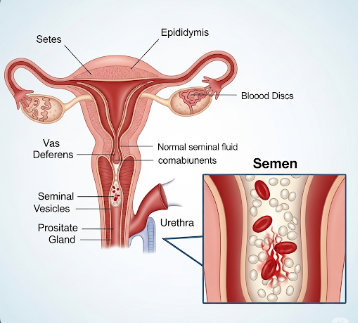
Overview Blood in semen, medically known as hematospermia, is the presence of red or brown discoloration in ejaculate. While often alarming, it is usually benign and self-limiting, particularly in men under 40. However, persistent or recurrent hematospermia may indicate underlying urological conditions such as infections, inflammation, or, rarely, tumors. In Korea, urology specialists and hospitals […]
Anal Pain in Korea
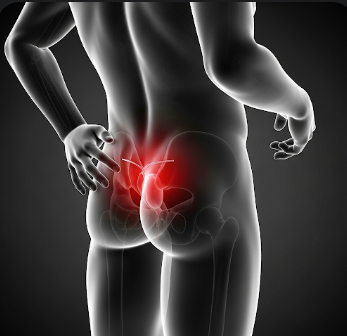
Overview Anal pain, also known as proctalgia, refers to discomfort or pain in or around the anus. It can range from mild irritation to severe, debilitating pain that interferes with daily activities such as sitting, walking, or using the bathroom. While minor conditions like hemorrhoids or fissures often cause it, persistent anal pain may indicate […]
Absent Periods in Korea

Overview Absent periods, medically referred to as secondary amenorrhoea, occur when menstruation stops for three or more months in women who previously had regular cycles. It can be caused by hormonal imbalances, lifestyle factors, stress, or underlying medical conditions. While occasional skipped periods are normal, persistent absence of menstruation may indicate reproductive or systemic health […]
Abdominal pain in children in Korea

Overview Abdominal pain in children is a common complaint that can range from mild discomfort to severe, persistent pain. It may result from a variety of causes, including digestive issues, infections, stress, or underlying medical conditions. While occasional tummy aches are often harmless, persistent or severe pain can indicate more serious problems that require medical […]