
High uric acid level in Korea
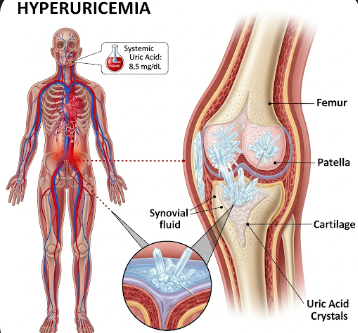
Overview A high uric acid level, medically referred to as hyperuricemia, occurs when the blood contains excess uric acid, a substance produced during the breakdown of purines, which are found in certain foods and cells. Elevated uric acid can lead to gout, kidney stones, and other metabolic complications. In South Korea, medical facilities provide comprehensive […]
Heavy periods in Korea

Overview Heavy periods, medically referred to as menorrhagia, are characterized by excessive menstrual bleeding that lasts longer than usual or requires frequent changing of sanitary products. While many women experience variations in menstrual flow, heavy periods can interfere with daily life, cause fatigue, and sometimes indicate underlying health issues. In South Korea, gynecology clinics and […]
Headaches in Korea

Overview Headaches are one of the most common health complaints worldwide, characterized by pain or discomfort in the head, scalp, or neck. While most headaches are benign and short-lived, they can sometimes indicate underlying medical conditions requiring attention. In South Korea, neurology and headache clinics offer advanced diagnostics, treatment plans, and lifestyle guidance for headache […]
Hip Pain in Korea

Overview Hip pain is a common condition affecting the hip joint or surrounding structures, including muscles, ligaments, tendons, and bursae. The hip is a ball-and-socket joint that supports the body’s weight and allows movement such as walking, running, and bending. Pain in this area can range from mild discomfort to severe, debilitating pain, limiting mobility […]
Frequent Urination in Korea
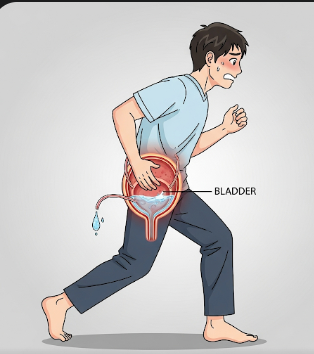
Overview Frequent urination, medically known as polyuria or urinary frequency, refers to the need to urinate more often than usual. While occasional frequent urination can be benign, persistent or sudden onset may indicate urinary tract infections, diabetes, kidney issues, or prostate problems. In Korea, urology, nephrology, and endocrinology clinics provide specialized evaluation for frequent urination, […]
Facial Paralysis in Korea

Overview Facial paralysis refers to the loss of voluntary muscle movement in one or both sides of the face. This condition can affect expressions, speech, eye closure, and overall facial symmetry, often leading to functional and emotional challenges. Facial paralysis can be sudden or gradual, temporary or permanent, and is usually caused by nerve damage, […]
Ejaculation problems in Korea
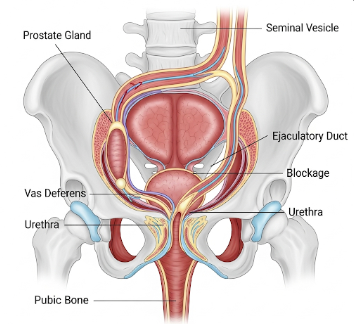
Overview Ejaculation problems refer to difficulties in achieving or controlling ejaculation during sexual activity. These issues can include delayed ejaculation, premature ejaculation, retrograde ejaculation, or anorgasmia (absence of ejaculation). Ejaculatory disorders can affect sexual satisfaction, relationships, and emotional well-being. Causes may be psychological, neurological, hormonal, or medication-related, and addressing them often requires a multidisciplinary approach. […]
Eye Pain in Korea
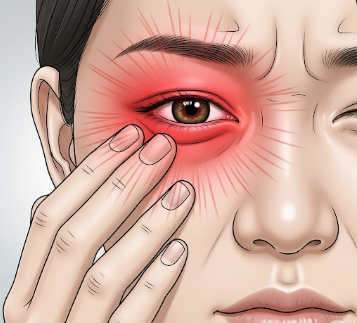
Overview Eye pain refers to any discomfort, soreness, or aching sensation in or around the eyes. It can range from mild irritation to severe, debilitating pain and may be sudden or gradual in onset. Eye pain is often associated with other symptoms such as redness, blurred vision, tearing, or light sensitivity, and can indicate a […]
Elbow Pain in Korea
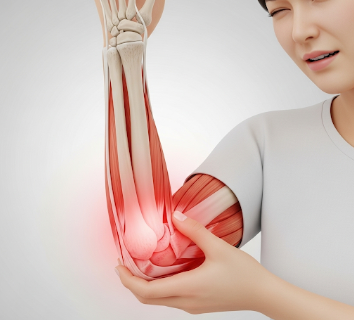
Overview Elbow pain is a common musculoskeletal complaint that can affect anyone from athletes to office workers. It refers to discomfort, aching, or sharp pain around the elbow joint, which may be caused by injury, overuse, inflammation, or underlying medical conditions. The elbow is a complex joint composed of bones, muscles, tendons, ligaments, and nerves, […]
Chest Congestion in Korea
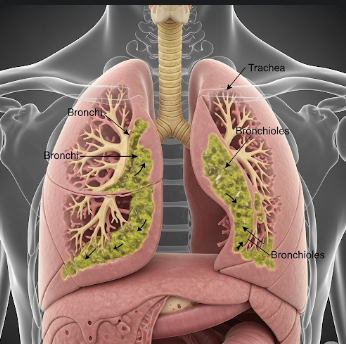
Overview Chest congestion is a common symptom characterized by a feeling of tightness, heaviness, or mucus accumulation in the chest, often associated with respiratory conditions. It can affect breathing, cause coughing, and interfere with daily activities. While often related to infections, allergies, or chronic respiratory conditions, persistent chest congestion may signal more serious underlying issues. […]