
Sneezing in Korea

➤ Overview Sneezing is a sudden, involuntary expulsion of air from the nose and mouth, often triggered by irritation in the nasal passages. It is a common reflex that helps clear irritants such as dust, pollen, smoke, or microbes from the nasal cavity. In South Korea, sneezing is generally managed by allergists, ENT specialists, and […]
Shoulder Pain in Korea

➤ Overview Shoulder pain is a common musculoskeletal complaint that can range from mild discomfort to severe pain, limiting movement and daily activities. The shoulder is a complex joint comprising bones, muscles, tendons, ligaments, and bursae, making it susceptible to a variety of injuries and disorders. In South Korea, shoulder pain is evaluated and treated […]
Reflux in babies in Korea
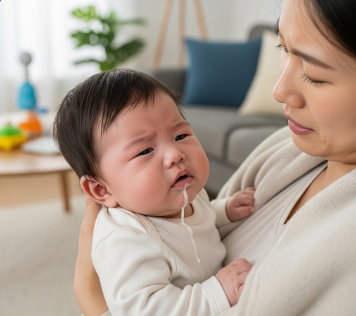
Overview Reflux in babies, also called gastroesophageal reflux (GER), occurs when stomach contents flow back into the esophagus, causing spit-up, vomiting, or discomfort. It is common in infants, as the lower esophageal sphincter is still immature and the stomach is small. In Korea, pediatricians routinely evaluate infant reflux to distinguish between normal spit-up and gastroesophageal […]
Right-Side Chest Pain in Korea

Overview Right-side chest pain refers to discomfort, pressure, or sharp pain on the right side of the chest. This symptom can range from mild and intermittent to severe and persistent, and may originate from the heart, lungs, gastrointestinal tract, muscles, ribs, or skin. In Korea, right-sided chest pain is evaluated promptly due to its potential […]
Rectal Bleeding in Korea

Overview Rectal bleeding refers to the presence of blood passed through the anus, usually visible in stool, on toilet paper, or in the toilet bowl. The blood can appear bright red, maroon, or black (tarry) depending on its source. While in many cases, rectal bleeding is caused by benign conditions such as hemorrhoids or anal […]
Palpitations in Korea
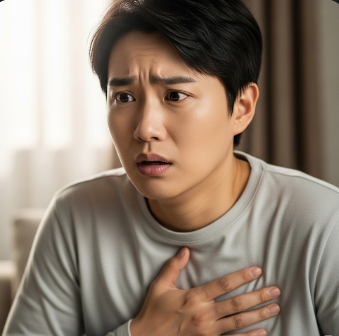
Overview Palpitations are the sensation of your heart beating unusually fast, irregularly, or forcefully, often felt in the chest, throat, or neck. While palpitations are usually harmless and short-lived, they can sometimes signal underlying heart conditions or other medical issues. In Korea, specialized cardiology clinics and hospitals provide comprehensive evaluation, monitoring, and treatment for palpitations. […]
Period pain in Korea

Overview Period pain, also called dysmenorrhea, is cramping and discomfort in the lower abdomen and pelvis that occurs before or during menstruation. It is one of the most common gynecological complaints among women of reproductive age. Pain can range from mild and manageable to severe and debilitating, sometimes interfering with daily activities, work, or school. […]
Paralysis in Korea

Overview Paralysis is the loss of muscle function in part or all of the body, which can affect movement, sensation, and coordination. It may be temporary or permanent, depending on the cause and severity of nerve or spinal cord damage. Paralysis can occur in one side of the body (hemiplegia), both legs (paraplegia), or all […]
Pink Breast Milk in Korea
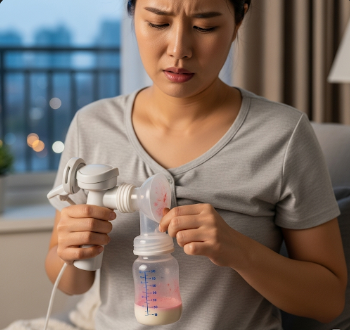
Overview Pink breast milk is a condition where a lactating mother notices a pink or reddish tint in her milk. This is relatively uncommon but often causes concern due to the unusual coloration. Pink breast milk is usually harmless and temporary, but it can sometimes signal underlying health issues in the mother, such as breast […]
Pelvic Pain in Korea

Overview Pelvic pain is a common symptom affecting both men and women, referring to discomfort in the lower abdomen or pelvis—the area between the hip bones. It can be acute or chronic, mild or severe, and may significantly impact daily life, work, and overall well-being. Pelvic pain is not a disease itself but often a […]