
Joint Inflammation in korea

Overview Joint inflammation, also known as arthritis, refers to swelling, pain, and stiffness in one or more joints. It is a common condition that can affect people of all ages, ranging from temporary injury-related inflammation to chronic autoimmune disorders. In South Korea, joint inflammation is widely treated in orthopedic, rheumatology, and sports medicine clinics, with […]
Cough (whooping) in Korea

Overview Whooping cough, also known as pertussis, is a highly contagious respiratory infection caused by the bacterium Bordetella pertussis. It is characterized by severe coughing fits followed by a distinctive “whoop” sound during inhalation. While vaccination has significantly reduced cases, outbreaks still occur. South Korea provides advanced vaccination programs, diagnostics, and treatment options for whooping […]
Corona Virus Disease (COVID-19) in Korea

Overview Coronavirus Disease 2019 (COVID-19) is a contagious viral infection caused by the SARS-CoV-2 virus. It primarily affects the respiratory system but can impact multiple organs. Since its emergence in late 2019, COVID-19 has caused a global pandemic. South Korea has implemented comprehensive measures for prevention, testing, and treatment, making it a model for controlling […]
Coronary heart disease in Korea

Overview Coronary heart disease (CHD), also known as coronary artery disease (CAD), is a condition where the coronary arteries that supply blood to the heart become narrowed or blocked due to plaque buildup (atherosclerosis). CHD is a leading cause of heart attacks and can result in serious complications if left untreated. South Korea provides advanced […]
Computer Addiction in Korea

Overview Computer addiction, also called Internet or digital addiction, is a behavioral condition characterized by excessive or compulsive use of computers, online games, or digital platforms that negatively impacts daily life. It can interfere with work, school, social relationships, and physical or mental health. South Korea, with its high internet penetration and competitive gaming culture, […]
Arthroscopy of the ankle in Korea
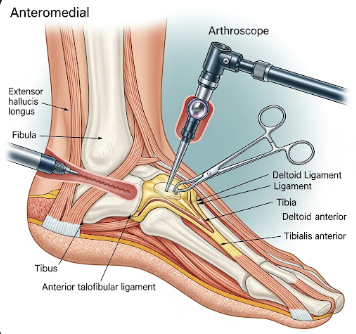
Overview Ankle arthroscopy is a minimally invasive surgical procedure used to diagnose and treat problems within the ankle joint. Using a small camera called an arthroscope, orthopedic surgeons can visualize the inside of the ankle joint, remove damaged tissue, repair cartilage, and treat injuries without making large incisions. In Korea, ankle arthroscopy is performed in […]
Compulsive Sexual Behavior in Korea

Overview Compulsive sexual behavior, also known as hypersexual disorder or sexual addiction, is a condition where individuals experience uncontrollable sexual urges, fantasies, or behaviors that interfere with daily life, relationships, and emotional well-being. It is not simply a high sex drive; rather, it involves a loss of control, repeated unsuccessful attempts to stop, and negative […]
Common Cold in Korea

Overview The common cold is a mild viral infection of the upper respiratory tract, primarily affecting the nose and throat. It is highly contagious and widespread in Korea, especially during seasonal changes. While usually self-limiting, proper care can reduce symptoms and prevent complications. Korean clinics and hospitals provide supportive treatment and guidance for effective management. […]
Colour blindness in Korea

Overview Colour blindness, also known as colour vision deficiency, is a condition where individuals have difficulty distinguishing certain colors. It is usually inherited but can also result from eye diseases, aging, or medication side effects. In Korea, ophthalmology clinics and vision centers provide diagnostic testing, counseling, and adaptive strategies for managing colour vision deficiency. What […]
Cold Sores in Korea

Overview Cold sores, also known as fever blisters, are small, painful blisters that usually appear on or around the lips. They are caused by the herpes simplex virus (HSV-1) and are highly contagious. In Korea, dermatology and infectious disease clinics provide effective antiviral treatments, preventive strategies, and guidance for managing outbreaks to reduce discomfort and […]