
Scabies in Korea

Overview Scabies is a highly contagious skin infestation caused by the Sarcoptes scabiei mite. It leads to intense itching, rashes, and skin irritation. In Korea, while scabies is less common in the general population due to improved hygiene and living standards, outbreaks still occur, particularly in group settings like elderly care homes, dormitories, and hospitals. […]
Attention-Deficit/Hyperactivity Disorder (ADHD) in Korea

Overview Attention-Deficit/Hyperactivity Disorder (ADHD) is a common neurodevelopmental condition that affects children and often continues into adulthood. It is characterized by persistent patterns of inattention, hyperactivity, and impulsivity that interfere with daily functioning or development. In South Korea, awareness and diagnosis of ADHD have grown rapidly, with an increasing number of treatment options available for […]
Vaginal Bleeding in Korea

Overview Vaginal bleeding refers to any bleeding from the vagina, including normal menstrual bleeding and abnormal bleeding outside of the menstrual cycle. While it can be a normal part of reproductive health, abnormal vaginal bleeding may signal an underlying medical condition and warrants proper evaluation, especially in postmenopausal women or during pregnancy. What is Vaginal […]
Uric Acid Stones in Korea
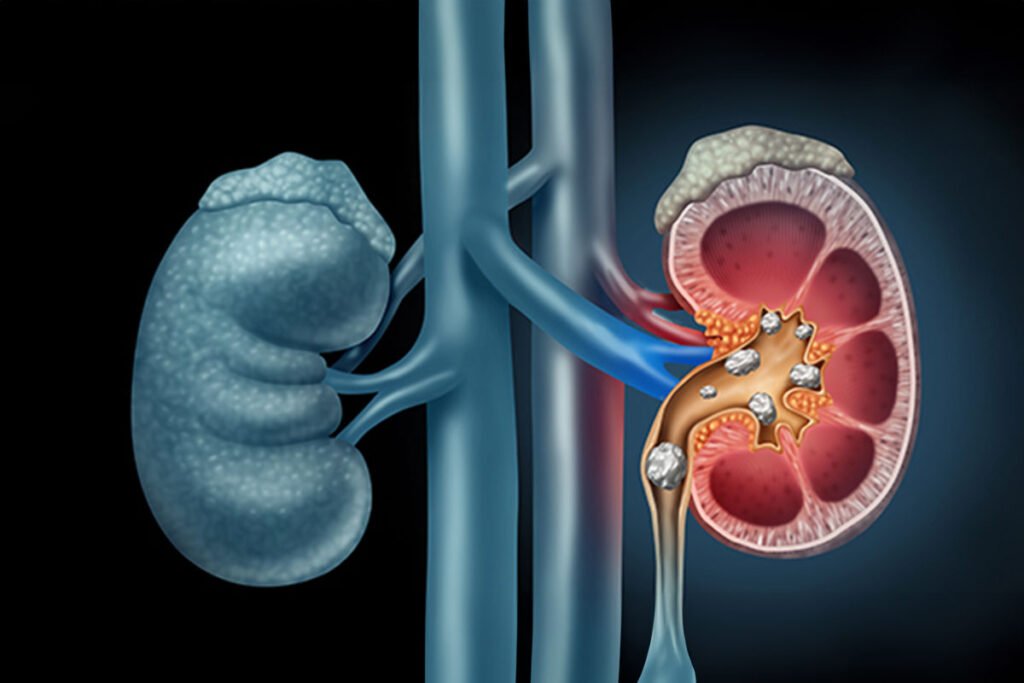
Overview Uric Acid Stones are a type of kidney stone formed from an excess of uric acid in the urine. They are one of several types of urinary calculi and are commonly associated with dehydration, high-purine diets, and conditions like gout. These stones can cause severe pain, urinary obstruction, and infections. Prompt diagnosis and treatment […]
Urea Cycle Disorder in Korea
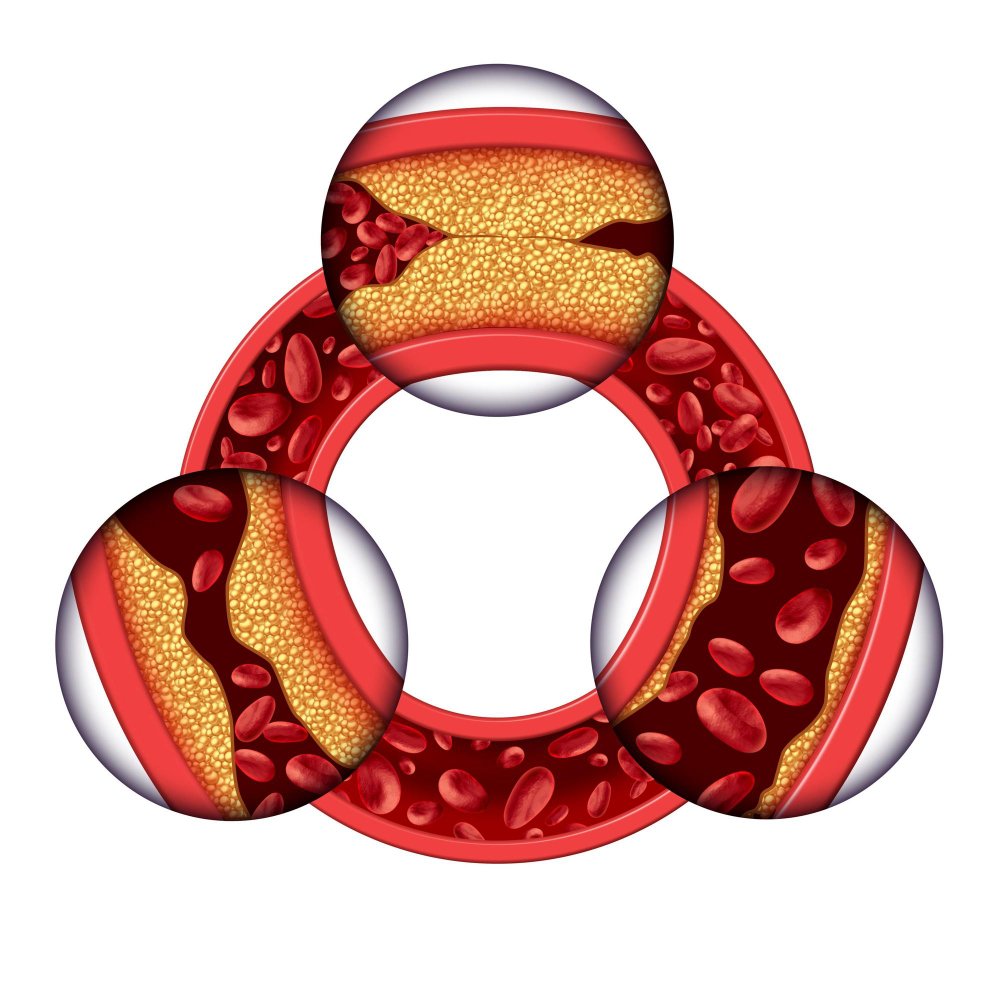
Overview Urea Cycle Disorder (UCD) is a rare inherited metabolic condition in which the body is unable to properly eliminate ammonia—a toxic waste product produced during protein metabolism. Ammonia accumulates in the blood (hyperammonemia), leading to potentially life-threatening symptoms, especially in newborns and young children. Early diagnosis, dietary management, and medical intervention are critical to […]
Ultraviolet Radiation and Skin Cancer in Korea

Overview Ultraviolet (UV) radiation is a major environmental risk factor for skin cancer. Prolonged and unprotected exposure to UV rays from the sun or artificial sources like tanning beds can cause DNA damage in skin cells, eventually leading to cancer. Skin cancer is one of the most common forms of cancer globally, and it is […]
Asthma in Korea
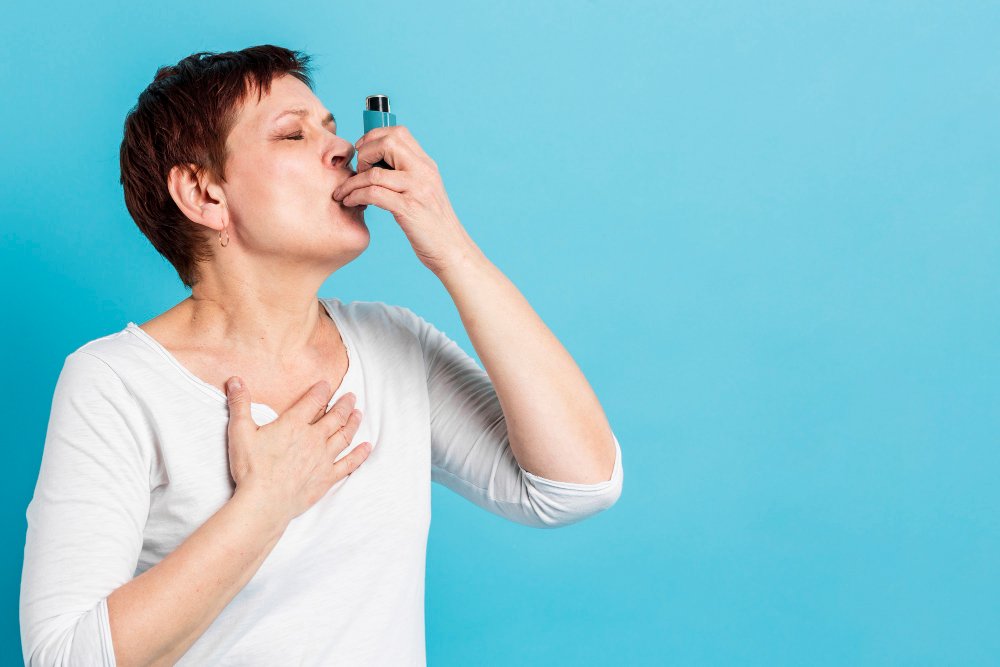
Overview Asthma is a chronic respiratory condition that causes inflammation and narrowing of the airways, making breathing difficult. It affects people of all ages and can range from mild to severe. Symptoms may be triggered by allergens, exercise, cold air, or respiratory infections. In Korea, asthma is a common health concern, especially in urban areas […]
Wolfram Syndrome in Korea

Overview Wolfram Syndrome is a rare, progressive genetic disorder characterized by a combination of diabetes mellitus, optic atrophy (vision loss), diabetes insipidus, and hearing loss. It is sometimes referred to as DIDMOAD syndrome, an acronym for its primary symptoms: Diabetes Insipidus, Diabetes Mellitus, Optic Atrophy, and Deafness. This multisystem condition typically appears in childhood and […]
Arsenic poisoning in Korea

Overview Arsenic poisoning occurs due to the accumulation of arsenic, a toxic element that can cause severe health issues when ingested, inhaled, or absorbed through the skin. It can lead to both acute and chronic poisoning, with symptoms ranging from nausea and vomiting to life-threatening organ failure and cancer. What is Arsenic Poisoning? Arsenic poisoning […]
Appendicitis in Korea

Overview Appendicitis is an inflammation of the appendix, a small pouch attached to the large intestine. It is a medical emergency that typically requires prompt surgical removal of the appendix (appendectomy). If untreated, the appendix can rupture and cause life-threatening complications. Appendicitis is most common among people aged 10 to 30, but it can occur […]