➤ Overview
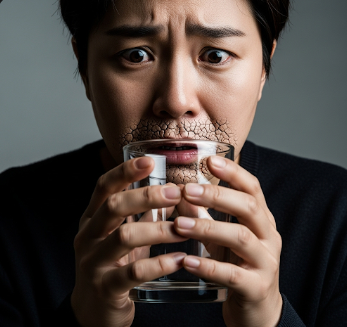
Excessive thirst, medically known as polydipsia, is a condition in which an individual feels the need to drink an abnormally large amount of fluids. While occasional thirst is normal, persistent or unexplained excessive thirst may indicate underlying medical conditions, ranging from dehydration and diabetes to kidney disorders or hormonal imbalances.
In South Korea, polydipsia is evaluated by endocrinologists, nephrologists, and primary care physicians through blood tests, urine tests, and imaging. Proper diagnosis and treatment are essential to prevent complications like electrolyte imbalance, dehydration, and chronic disease progression.
➤ Key Facts
→ Excessive thirst may be accompanied by frequent urination (polyuria), particularly in diabetes.
→ Can result from dehydration, high salt intake, or medical conditions affecting fluid balance.
→ Polydipsia may be primary (behavioral) or secondary (disease-related).
→ In Korea, laboratory testing and imaging are commonly used to identify underlying causes.
→ Early diagnosis prevents serious complications such as kidney damage, diabetic ketoacidosis, or electrolyte imbalance.
→ Symptoms may affect daily life, sleep, and overall health.
→ Treatment focuses on addressing the underlying cause and restoring fluid balance.
➤ What is Excessive Thirst?
Excessive thirst is more than just feeling thirsty occasionally; it represents a persistent, uncontrollable urge to drink fluids:
→ Primary polydipsia – A behavioral or psychological cause, often seen in psychiatric disorders.
→ Secondary polydipsia – Caused by medical conditions like diabetes mellitus, diabetes insipidus, or kidney dysfunction.
→ Impact on daily life – Frequent drinking, interrupted sleep, and inconvenience in work or social activities.
→ Potential for dehydration – Despite high fluid intake, underlying conditions may still cause fluid imbalance.
→ Indicator of systemic disease – May signal endocrine, renal, or metabolic issues.
➤ What Symptoms are Related to Excessive Thirst?
Symptoms often accompany polydipsia depending on the underlying cause:
→ Frequent urination (polyuria) → Often occurs alongside diabetes or kidney disorders.
→ Dry mouth or lips → Persistent feeling of dryness despite fluid intake.
→ Fatigue or weakness → From dehydration or electrolyte imbalance.
→ Blurred vision → Particularly in uncontrolled diabetes.
→ Headaches or dizziness → Due to fluid shifts or dehydration.
→ Weight loss → Unintentional, associated with diabetes mellitus.
→ Nighttime urination (nocturia) → Frequent waking at night to drink or urinate.
→ Behavioral signs → Excessive drinking of water or beverages without clear reason.
➤ What Causes / Possible Causes?
Excessive thirst can arise from physiological, pathological, or behavioral factors:
→ Dehydration – From heat exposure, excessive sweating, vomiting, or diarrhea.
→ Diabetes mellitus – High blood glucose levels cause osmotic diuresis leading to thirst.
→ Diabetes insipidus – Hormonal disorder affecting antidiuretic hormone, causing extreme urine output.
→ Kidney disorders – Impaired renal concentrating ability can trigger thirst.
→ Electrolyte imbalances – High sodium or low potassium levels.
→ Medications – Diuretics or certain psychotropic drugs.
→ Psychogenic polydipsia – Compulsive water drinking, often in psychiatric conditions.
→ Hypercalcemia or hypokalemia – Mineral imbalances affecting fluid regulation.
→ Infections or fever – Increase fluid loss and induce thirst.
➤ When Should I See My Doctor?
Medical evaluation is recommended if excessive thirst is:
→ Persistent or unexplained, lasting more than a few days.
→ Accompanied by frequent urination → Could indicate diabetes.
→ Associated with weight loss, fatigue, or blurred vision.
→ Sudden or severe onset → May indicate acute metabolic disturbances.
→ Linked to high fever or illness → Suggests dehydration or infection.
→ Interfering with daily life or sleep → Affecting work, school, or social activities.
→ In Korea, endocrinologists, nephrologists, and general physicians conduct comprehensive evaluation using blood tests, urinalysis, and imaging as needed.
➤ Care and Treatment
Treatment focuses on identifying the cause and restoring fluid and electrolyte balance:
→ Address underlying disease – Manage diabetes, kidney disorders, or hormonal imbalances.
→ Fluid replacement – Oral rehydration solutions or controlled water intake.
→ Electrolyte management – Correct sodium, potassium, or calcium disturbances.
→ Behavioral therapy – For psychogenic polydipsia, involving counseling and monitoring fluid intake.
→ Medication adjustment – Modify drugs causing excessive thirst if possible.
→ Lifestyle modifications – Balanced diet, regular hydration, and avoidance of excessive salt or sugar.
→ Monitoring – Track fluid intake, urine output, and symptoms to prevent complications.
→ Education – Patient awareness about signs of dehydration, hyperglycemia, and kidney function changes.
➤ Treatment Options in Korea
South Korea provides comprehensive care for excessive thirst through advanced diagnostics and multidisciplinary treatment:
Diagnosis in Korea
→ Blood tests – Measure glucose, electrolytes, kidney function, and hormonal levels.
→ Urinalysis – Check urine concentration, sugar, protein, and osmolality.
→ Imaging – Kidney ultrasound or CT scan for structural abnormalities.
→ Specialized tests – Water deprivation test for diabetes insipidus.
→ Multidisciplinary assessment – Endocrinology, nephrology, and psychiatry collaboration.
Medical Treatments in Korea
→ Diabetes management – Insulin therapy, oral hypoglycemics, and dietary counseling.
→ Kidney disease treatment – Medications, dietary modifications, or dialysis if needed.
→ Hormonal therapy – For diabetes insipidus or endocrine imbalances.
→ Behavioral therapy – Psychogenic polydipsia management with monitoring and counseling.
Advanced Therapies in Korea
→ Specialist consultations – Integrated care for complex cases with multiple causes.
→ Hospital-based monitoring – For severe dehydration or electrolyte imbalance.
→ Patient education programs – Guidance on fluid intake, diet, and lifestyle to prevent recurrence.
Rehabilitation & Support in Korea
→ Ongoing follow-up for chronic conditions like diabetes or kidney disease.
→ Education on recognizing warning signs, maintaining hydration, and monitoring lab values.
→ Lifestyle and nutritional guidance to improve overall health and prevent complications.