➤ Overview
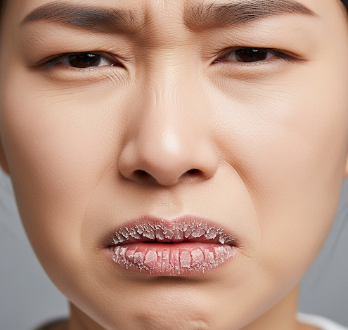
Sore or dry lips, medically known as cheilitis or chapped lips, is a common condition characterized by cracking, redness, pain, or flaking of the lips. Though often mild, it can cause discomfort, interfere with speaking or eating, and may indicate underlying health issues.
In South Korea, dermatologists and general practitioners evaluate lip conditions using clinical examination, history taking, and sometimes laboratory tests. Early care and proper treatment help restore lip health, prevent infections, and address any nutritional or systemic causes.
➤ Key Facts
→ Dry or sore lips can affect all age groups, from infants to older adults.
→ Environmental factors, such as cold, dry air, sun exposure, and wind, are common triggers.
→ In Korea, lip disorders are assessed through visual inspection, patient history, and occasionally blood tests.
→ Persistent lip sores may indicate infection, allergy, or vitamin deficiency.
→ Overuse of lip-licking or certain cosmetic products can worsen the condition.
→ Proper hydration, topical care, and protective measures usually resolve symptoms.
→ Rarely, sore lips may signal systemic illnesses such as autoimmune diseases or infections.
➤ What is Sore or Dry Lips?
Sore or dry lips involve inflammation or damage to the lip skin, which is delicate and lacks sweat glands, making it prone to dryness:
→ Chapped lips – Dry, cracked, or flaky lips due to environmental or habitual causes.
→ Angular cheilitis – Red, painful cracks at the corners of the mouth, often caused by yeast or bacterial infection.
→ Allergic reactions – Irritation from lip balms, cosmetics, toothpaste, or food.
→ Nutritional deficiencies – Lack of vitamins B2, B3, B6, B12, or iron.
→ Medication-related – Certain drugs can cause dryness or inflammation of lips.
→ Sun damage (actinic cheilitis) – Chronic sun exposure leading to dryness, scaling, or pre-cancerous changes.
Korean dermatologists focus on identifying the type, underlying cause, and severity to guide effective treatment.
➤ What Symptoms are Related to Sore or Dry Lips?
Sore or dry lips may be accompanied by other related symptoms that help identify the cause:
→ Cracking, peeling, or flaking of the lip surface.
→ Redness or inflammation, sometimes extending to the corners of the mouth.
→ Pain or tenderness while speaking, eating, or drinking.
→ Itching or burning sensation on the lips.
→ Blisters or crusting in cases of viral infections (e.g., herpes simplex).
→ Bleeding or oozing from severe cracks.
→ Swelling if infection is present.
→ Persistent dryness despite hydration indicating underlying nutritional or medical issues.
➤ What Causes / Possible Causes?
Sore or dry lips can result from environmental, behavioral, infectious, or systemic factors:
→ Environmental exposure – Cold weather, wind, sun, or low humidity.
→ Dehydration – Insufficient water intake leading to dryness.
→ Habitual lip licking or biting – Irritation and moisture loss.
→ Allergic reactions – Lip products, toothpaste, foods, or medications.
→ Infections – Bacterial, fungal (Candida), or viral (herpes simplex).
→ Nutritional deficiencies – Lack of vitamins B-complex, iron, or essential fatty acids.
→ Medications – Retinoids, chemotherapy, or diuretics causing dryness.
→ Systemic conditions – Diabetes, autoimmune disorders (e.g., Sjögren’s syndrome), or eczema.
→ Hormonal changes or stress – Can exacerbate dryness or inflammation.
➤ When Should I See My Doctor?
Medical evaluation is important if sore or dry lips are persistent, severe, or associated with other concerning symptoms:
→ Cracks or sores lasting more than 2 weeks despite home care.
→ Pain, bleeding, or crusting interfering with eating or speaking.
→ Signs of infection – Swelling, pus, or redness extending beyond lips.
→ Recurrent sores or blisters, possibly indicating herpes or autoimmune disease.
→ Associated symptoms like dry eyes, mouth, fatigue, or unexplained weight loss.
→ Severe sun damage or persistent scaling indicating potential precancerous changes.
➤ Care and Treatment
Management of sore or dry lips involves hydration, protective measures, and addressing underlying causes:
→ Hydration – Drink adequate water throughout the day.
→ Topical emollients – Lip balms containing petroleum jelly, lanolin, or beeswax.
→ Avoid irritants – Refrain from lip licking, harsh toothpaste, or allergenic products.
→ Nutritional support – Ensure sufficient intake of vitamins B2, B3, B6, B12, iron, and essential fatty acids.
→ Treatment of infections – Antifungal creams for Candida, antiviral treatment for herpes.
→ Sun protection – Lip balms with SPF to prevent sun damage.
→ Behavioral modifications – Prevent lip biting, sucking, or excessive licking.
→ Monitoring and follow-up – Track healing progress and adjust treatment if symptoms persist.
➤ Treatment Options in Korea
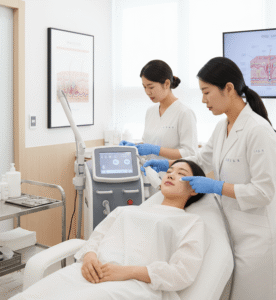
South Korea offers comprehensive dermatologic care for sore or dry lips, combining diagnostics, medical therapy, and lifestyle interventions:
Diagnosis in Korea
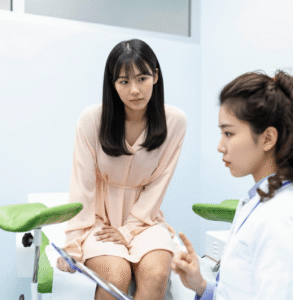
→ Clinical examination by dermatologists – Identifying cracks, lesions, and inflammation.
→ Laboratory tests – Blood tests for nutritional deficiencies, iron levels, and vitamin status.
→ Allergy testing – Patch testing for lip products or environmental triggers.
→ Microbiological tests – Swabs to detect fungal or bacterial infection.
Medical Treatments in Korea
→ Topical ointments and emollients – Hydration and protection.
→ Antifungal or antibacterial creams – For secondary infections.
→ Antiviral therapy – For recurrent herpes simplex lesions.
→ Vitamin or mineral supplementation – Correcting deficiencies.
Advanced Therapies in Korea
→ Laser or phototherapy – For chronic or resistant lesions.
→ Multidisciplinary care – Dermatology, nutrition, and allergy specialists.
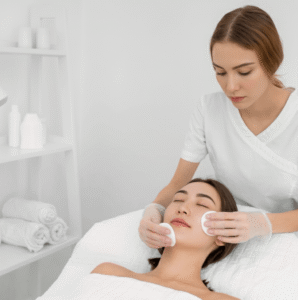
→ Cosmetic dermatology approaches – For repair and rejuvenation of lips affected by chronic dryness or sun damage.
Rehabilitation & Support in Korea
→ Guidance on daily lip care, hydration, and avoidance of irritants.
→ Patient education on nutrition, sun protection, and lifestyle changes.
→ Long-term monitoring to prevent recurrence and maintain healthy lips.