
Overview
Joint pain, medically referred to as arthralgia, is a common condition that affects one or more joints in the body, causing discomfort, stiffness, and limited mobility. It can range from mild and temporary to severe and chronic, impacting daily activities and overall quality of life.
In Korea, orthopedic and rheumatology clinics provide advanced care for joint pain, offering diagnostic services, physical therapy, medication management, and minimally invasive or surgical interventions. Early identification of the underlying cause is essential to prevent chronic joint damage and improve functional outcomes.
Key Facts
- ➔ Joint pain can affect any joint, but commonly involves the knees, hips, shoulders, and fingers.
- ➔ Causes include trauma, arthritis, autoimmune conditions, infections, and overuse.
- ➔ Symptoms may include swelling, redness, warmth, stiffness, or decreased range of motion.
- ➔ Chronic joint pain can affect mental health, mobility, and quality of life.
- ➔ Effective treatment depends on identifying and addressing the underlying cause.
What is Joint Pain?
Joint pain is discomfort or aching in one or more joints, resulting from inflammation, injury, or degeneration. The pain may be localized or diffuse and can be accompanied by other symptoms depending on the cause.
- ➔ Acute joint pain: Sudden onset often due to injury, infection, or trauma.
- ➔ Chronic joint pain: Persistent pain lasting weeks to months, commonly due to arthritis or autoimmune disorders.
- ➔ Mechanical pain: Results from wear and tear, overuse, or misalignment.
- ➔ Inflammatory pain: Caused by immune system activation, often associated with swelling and warmth.
Understanding the type of joint pain helps guide appropriate evaluation and treatment strategies.
What Symptoms Are Related To
Joint pain can present with various symptoms:
- ➔ Pain or tenderness in one or more joints
- ➔ Swelling or puffiness around the joint
- ➔ Warmth or redness over the joint
- ➔ Stiffness, especially in the morning or after inactivity
- ➔ Limited range of motion or difficulty performing daily activities
- ➔ Clicking, popping, or grinding sensations in the joint
- ➔ Fatigue or malaise if associated with systemic conditions
Recognizing these symptoms helps differentiate joint pain caused by mechanical, inflammatory, or infectious processes.
What Causes / Possible Causes
Joint pain can result from a wide range of causes, including:
- ➔ Osteoarthritis: Degeneration of cartilage causing pain, stiffness, and reduced mobility.
- ➔ Rheumatoid arthritis: Autoimmune inflammation leading to joint swelling, pain, and deformity.
- ➔ Gout: Uric acid crystal deposition causing sudden, intense joint pain.
- ➔ Infections: Septic arthritis caused by bacterial, viral, or fungal infections.
- ➔ Injury or trauma: Sprains, strains, fractures, or dislocations.
- ➔ Overuse or repetitive motion: Stress on joints from sports, work, or daily activities.
- ➔ Systemic conditions: Lupus, fibromyalgia, or metabolic disorders causing joint pain.
- ➔ Bone or cartilage disorders: Osteonecrosis or meniscus tears.
Identifying the cause is critical for targeted treatment and preventing further joint damage.
When Should I See My Doctor
You should consult a healthcare provider if joint pain is:
- ➔ Severe, persistent, or worsening over time
- ➔ Associated with swelling, redness, warmth, or fever
- ➔ Limiting movement or function of the joint
- ➔ Following an injury or trauma
- ➔ Occurring alongside systemic symptoms like fatigue, rash, or weight loss
- ➔ Recurrent or unexplained, suggesting chronic disease
Prompt evaluation ensures timely intervention and reduces the risk of chronic joint damage or disability.
Care and Treatment
Management of joint pain depends on the underlying cause, severity, and patient needs:
- ➔ Rest and activity modification: Avoiding overuse or strain on affected joints.
- ➔ Pain relief and anti-inflammatory medication: NSAIDs, acetaminophen, or corticosteroids.
- ➔ Physical therapy: Exercises to improve strength, flexibility, and joint stability.
- ➔ Assistive devices: Braces, orthotics, or supportive tools to reduce joint stress.
- ➔ Lifestyle adjustments: Weight management, regular exercise, and ergonomic modifications.
- ➔ Medical interventions: Disease-modifying drugs for autoimmune conditions or uric acid-lowering therapy for gout.
- ➔ Surgery: Joint replacement, arthroscopy, or repair for severe or unresponsive cases.
Combination therapies tailored to individual needs often yield the best outcomes.
Treatment Options in Korea
Korean orthopedic and rheumatology clinics offer comprehensive care for joint pain:
- ➔ Clinical evaluation: Detailed physical examination, patient history, and assessment of joint function.
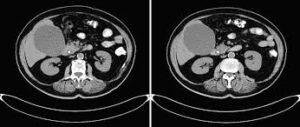
- ➔ Imaging studies: X-rays, MRI, CT scans, or ultrasound to identify structural damage or inflammation.
- ➔ Medication management: Pain relief, anti-inflammatories, or disease-specific drugs.
- ➔ Physical rehabilitation: Personalized exercise programs, manual therapy, and functional training.
- ➔ Minimally invasive procedures: Joint injections, arthroscopy, or viscosupplementation.
- ➔ Surgical interventions: Joint replacement or reconstructive surgery when conservative treatment fails.
- ➔ Multidisciplinary approach: Collaboration between orthopedics, rheumatology, physiotherapy, and pain specialists.
Leading hospitals such as Seoul National University Hospital, Asan Medical Center, and Samsung Medical Center provide state-of-the-art care for joint pain, ensuring rapid relief and long-term joint health.
In Summary: Joint pain is a common condition with diverse causes, ranging from injury to chronic disease. Early recognition, accurate diagnosis, and comprehensive care in Korea can relieve symptoms, restore function, and prevent long-term complications.
- ➔ Key Takeaway: Persistent or severe joint pain should not be ignored; timely medical evaluation is essential.
- ➔ Action Point: Consult an orthopedic or rheumatology specialist for personalized diagnosis and treatment planning.