Overview
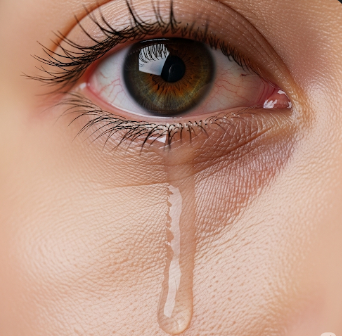
Excess tearing, medically known as epiphora, is a condition characterized by overproduction or improper drainage of tears, resulting in constant watery eyes. While tears are essential for lubricating and protecting the eyes, excessive tearing can interfere with daily activities, vision, and overall eye comfort. Epiphora may arise from ocular surface irritation, blocked tear ducts, infections, or systemic diseases. In Korea, ophthalmology clinics and specialized eye centers offer comprehensive evaluation and management of excess tearing, including advanced diagnostics and treatment options tailored to each patient.
Highlights:
➤ Overproduction or impaired drainage of tears – Leading to watery eyes
➤ Common causes include irritation, infection, or blockage
➤ May affect daily functioning and visual clarity
Key Facts
➤ Prevalence: Excess tearing is common across all age groups, especially children and older adults
➤ Age affected: Can occur at any age depending on cause
➤ Gender: Both males and females are equally affected
➤ Impact: May cause blurred vision, eye discomfort, or social embarrassment
➤ Prognosis: Most cases are manageable with medical or surgical intervention
What is Excess Tearing?
Excess tearing occurs when there is an imbalance between tear production and drainage. Normally, tears drain through the puncta (small openings in the eyelids) into the nasolacrimal duct, eventually reaching the nose. Epiphora arises due to:
- Excessive tear production: Triggered by irritation, allergies, or infections
- Blocked tear drainage: Often caused by nasolacrimal duct obstruction, congenital anomalies, or aging-related changes
- Abnormal eyelid function: Poor eyelid closure or malposition can interfere with drainage
Key characteristics include:
- Persistent watery eyes
- Tear overflow onto cheeks
- Redness or irritation from chronic wetness
- Blurred vision due to excessive tear film
Highlights:
➤ Can result from overproduction or poor drainage
➤ Persistent cases may require medical evaluation
➤ Early treatment prevents complications such as infection or skin irritation
What Symptoms Are Related to Excess Tearing?
➤ Constant watering of the eyes – Primary symptom of epiphora
➤ Redness or irritation – Often caused by tear overflow and irritation of eyelid skin
➤ Blurred vision – Due to tear film covering the cornea
➤ Eye discomfort or burning – Secondary to chronic wetness or infection
➤ Crusting of eyelids or lashes – From stagnation of tears
➤ Pain or swelling near the inner eye corner – May indicate infection or blockage
➤ Discharge in addition to tears – Suggestive of conjunctivitis or dacryocystitis
Highlights:
➣ Symptoms vary depending on underlying cause
➣ Persistent tearing or associated pain warrants professional evaluation
What Causes / Possible Causes
➤ Ocular surface irritation: Dry eyes, foreign bodies, allergies, or infections
➤ Blocked tear ducts: Congenital in children or acquired in adults due to aging, trauma, or inflammation
➤ Eyelid malposition: Entropion (inward turning) or ectropion (outward turning) affecting tear drainage
➤ Infections: Conjunctivitis, blepharitis, or dacryocystitis
➤ Environmental factors: Wind, smoke, dust, or chemical exposure
➤ Systemic conditions: Autoimmune diseases or cranial nerve dysfunction affecting eyelid muscles
➤ Medication side effects: Some eye drops or systemic drugs may increase tear production
Highlights:
➣ Causes may be temporary, chronic, or related to structural abnormalities
➣ Identifying the root cause is crucial for effective treatment
When Should I See My Doctor?
➤ Persistent or worsening tearing – Lasting more than a few days or weeks
➤ Associated redness, pain, or swelling – Could indicate infection or blockage
➤ Discharge or crusting around the eyes – Suggestive of conjunctivitis or dacryocystitis
➤ History of trauma or eyelid abnormalities – May interfere with tear drainage
➤ Blurred vision or visual disturbances – Requires prompt ophthalmologic evaluation
Highlights:
➣ Early consultation with a Korean ophthalmologist ensures correct diagnosis
➣ Timely intervention prevents skin irritation, infections, and vision-related complications
Care and Treatment
➤ Artificial tears: For mild irritation or dry eye-induced tearing
➤ Warm compresses: Promote drainage and relieve mild blockages
➤ Eyelid hygiene: Cleaning eyelids and lashes to reduce infection risk
➤ Medications: Antibiotic or anti-inflammatory eye drops for infections or inflammation
➤ Surgical intervention: Dacryocystorhinostomy (DCR) or punctal dilation for blocked tear ducts
➤ Lifestyle adjustments: Avoiding allergens, wind, or smoke; managing screen time
➤ Monitoring: Tracking frequency, triggers, and associated symptoms
Highlights:
➣ Treatment is cause-specific and ranges from conservative to surgical approaches
➣ Early care ensures symptom relief and prevention of complications
Treatment Options in Korea
Medical Treatments:
➤ Ophthalmology clinics: Comprehensive eye examination, tear film assessment, and imaging for duct obstruction
➤ Prescription eye drops: Antibiotics, anti-inflammatories, or lubricants based on cause
➤ Punctal plugs or dilation: For mild drainage obstruction
Advanced Procedures:
➤ Dacryocystorhinostomy (DCR): Surgical creation of a new tear drainage pathway for severe obstruction
➤ Laser-assisted procedures: Minimally invasive treatment for nasolacrimal duct blockage
➤ Follow-up care: Regular evaluation of tear drainage, eye surface health, and prevention of recurrence
Rehabilitation & Follow-Up Care:
➤ Education on eyelid hygiene, allergen avoidance, and proper tear management
➤ Continuous monitoring for recurrence or postoperative complications
➤ Multidisciplinary support for patients with systemic conditions contributing to epiphora
Highlights:
➣ Korean eye centers provide advanced diagnostics, tailored therapy, and long-term follow-up
➣ Early intervention ensures effective symptom control, eye health preservation, and improved quality of life