Overview
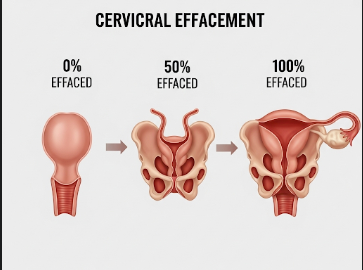
Effacement refers to the thinning and shortening of the cervix in preparation for childbirth. It is a critical process that occurs during labor, allowing the cervix to dilate and enable the passage of the baby through the birth canal. Effacement is usually measured as a percentage, from 0% (no thinning) to 100% (fully thinned). In Korea, obstetrics and gynecology clinics provide monitoring and guidance throughout the effacement and labor process to ensure safe delivery for both mother and baby.
Highlights:
➤ Essential part of labor preparation – Precedes cervical dilation
➤ Measured in percentage – 0% to 100% effaced
➤ Indicator of labor progression – Helps obstetricians plan delivery management
Key Facts
➤ Prevalence: Effacement occurs in virtually all women as part of normal labor progression.
➤ Timing: Can begin before labor (pre-labor effacement) or during active labor.
➤ Measurement: Evaluated during pelvic examination by trained clinicians.
➤ Impact: Proper effacement is necessary for smooth cervical dilation and vaginal delivery.
What is Effacement?
Effacement is the process by which the cervix becomes shorter and thinner in response to uterine contractions and hormonal changes, primarily prostaglandins and oxytocin. It is a natural part of labor that helps the cervix stretch and open (dilate) for childbirth.
Highlights:
➤ Cervical thinning – Shortens from normal 3–4 cm length to almost paper-thin
➤ Facilitates dilation – Ensures the baby can pass through the birth canal
➤ Monitored by obstetricians – Assessed via pelvic examination or ultrasound
What Symptoms Are Related to Effacement?
➤ Mild pelvic pressure or cramping – Early signs of cervical changes
➤ Light vaginal spotting (bloody show) – Pink or brown discharge as the cervix softens
➤ Lower back discomfort – Often accompanies early labor contractions
➤ Increased frequency of contractions – May be irregular or mild at first
➤ Sense of pelvic fullness – Cervical thinning may create pressure sensations
➤ Progressive shortening of the cervix – Measured by clinicians, not always felt by the patient
What Causes / Possible Causes
Effacement is a physiological process, primarily caused by:
➤ Hormonal changes: Increased prostaglandins and oxytocin soften the cervix
➤ Uterine contractions: Regular contractions help shorten and thin the cervix
➤ Fetal pressure: The baby’s head pressing on the cervix accelerates effacement
➤ Multiparity: Women who have given birth before may experience faster effacement
Highlights:
➣ Effacement is normal and necessary for labor
➣ Abnormal or delayed effacement may require medical evaluation or intervention
When Should I See My Doctor?
➤ Signs of preterm effacement: Thinning of the cervix before 37 weeks of gestation may indicate preterm labor
➤ Unusual bleeding or discharge – Could signal infection or complications
➤ Painful or frequent contractions before term – Requires assessment for labor risk
➤ Delayed or absent effacement at term – May affect labor planning
Highlights:
➣ Regular prenatal care in Korean obstetrics clinics ensures proper monitoring of effacement
➣ Early detection of abnormal effacement prevents preterm birth, labor complications, or prolonged labor
Care and Treatment
➤ Monitoring: Regular cervical checks to assess effacement and dilation
➤ Labor induction (if necessary): Medications such as prostaglandins or oxytocin may be used to promote cervical ripening and effacement
➤ Bed rest or activity modification: For preterm effacement, doctors may recommend rest or hospitalization
➤ Hydration and nutrition: Supportive care during pre-labor or labor
➤ Pain management: Comfort measures for contractions, including breathing techniques, analgesics, or epidural anesthesia
Highlights:
➣ Effacement itself does not require treatment, but medical intervention may be needed to manage labor progression
➣ Proper monitoring ensures safe delivery for both mother and baby
Treatment Options in Korea
Medical Treatments:
➤ Obstetrics clinics: Professional assessment of cervical effacement and labor progression
➤ Medication-assisted cervical ripening: Prostaglandins or oxytocin used when labor needs induction
➤ Preterm labor management: Progesterone supplementation, bed rest, or hospitalization if effacement occurs prematurely
Advanced Procedures:
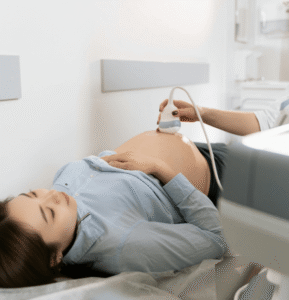
➤ Ultrasound assessment: Non-invasive evaluation of cervical length and effacement
➤ Cervical cerclage: Surgical intervention for women with cervical insufficiency or risk of preterm labor
➤ Labor induction techniques: Balloon catheter or pharmacologic methods to promote cervical ripening
Rehabilitation & Follow-Up Care:
➤ Regular prenatal monitoring of cervical changes and fetal health
➤ Postpartum follow-up to assess cervical recovery and overall maternal health
➤ Education on labor signs, timing, and when to seek immediate care
Highlights:
➣ Korean clinics provide advanced monitoring and individualized labor management
➣ Early intervention ensures smooth labor progression and reduces maternal or fetal complications