Overview
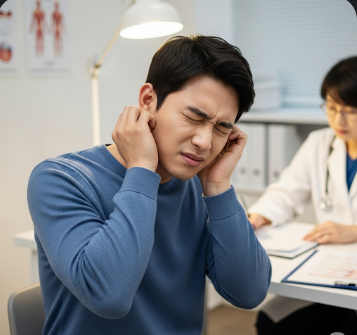
Earache, also known as otalgia, is pain or discomfort in or around the ear. It is a common symptom affecting both children and adults and can range from mild irritation to severe pain. Earache can arise from infections, injuries, dental issues, or referred pain from other areas. In Korea, hospitals and ENT (Ear, Nose, Throat) clinics provide comprehensive evaluation, advanced diagnostic tests, and targeted treatments to relieve earache and prevent complications such as hearing loss.
Key Facts
▶ Prevalence: Earaches are common in children due to frequent ear infections, and in adults due to infections, trauma, or dental issues.
▶ Causes: Otitis media, otitis externa, impacted earwax, sinus infections, dental problems, or temporomandibular joint disorders.
▶ Associated Symptoms: Hearing loss, fever, fluid drainage, dizziness, tinnitus, or swelling around the ear.
▶ Treatment Options in Korea: Antibiotics, ear drops, pain relief, surgical interventions, and advanced ENT procedures.
▶ Urgency: Severe, persistent, or recurrent ear pain should be evaluated promptly to prevent complications.
What is Earache?
Earache refers to pain originating in the ear or perceived in the ear from nearby structures. The pain may be sharp, dull, constant, or intermittent.
▶ Primary Earache: Caused by conditions within the ear, such as ear infections, wax buildup, or trauma.
▶ Referred Earache: Pain originating from outside the ear, like dental problems, throat infections, or TMJ disorders.
▶ Acute Earache: Sudden onset, often due to infection or injury.
▶ Chronic Earache: Persistent or recurrent pain lasting weeks or months, requiring thorough evaluation.
Note: Accurate diagnosis is essential to target treatment and prevent hearing loss or other complications.
What Symptoms Are Related to Earache?
▶ Pain or Discomfort: Ranging from mild to severe, sometimes radiating to the jaw, neck, or head.
▶ Hearing Changes: Reduced hearing or muffled sounds.
▶ Fever: Often accompanies infections like otitis media.
▶ Fluid or Pus Drainage: From the ear canal, indicating infection.
▶ Tinnitus: Ringing, buzzing, or other abnormal ear sounds.
▶ Dizziness or Vertigo: May occur if inner ear is affected.
▶ Swelling or Redness: Around the ear or within the ear canal.
▶ Irritability or Crying in Children: Common in infants and young children experiencing ear pain.
What Causes / Possible Causes
Earache can result from infections, trauma, or referred pain from adjacent structures:
▶ Otitis Media: Middle ear infection, common in children, often caused by bacteria or viruses.
▶ Otitis Externa (Swimmer’s Ear): Infection of the ear canal, often bacterial or fungal.
▶ Impacted Earwax: Can block the ear canal and cause discomfort or pain.
▶ Dental Issues: Tooth infections, impacted wisdom teeth, or TMJ disorders can refer pain to the ear.
▶ Throat or Sinus Infections: Pharyngitis, tonsillitis, or sinusitis may cause earache.
▶ Trauma or Injury: Foreign objects, loud noise exposure, or head injuries.
▶ Chronic Conditions: Eustachian tube dysfunction, chronic otitis media, or cholesteatoma.
▶ Other Causes: Barotrauma from air travel or scuba diving, skin conditions like eczema affecting the ear canal.
Note: Identifying the underlying cause is critical for effective treatment and prevention of complications.
When Should I See a Doctor?
▶ Severe Pain: Intense earache not relieved by over-the-counter medications.
▶ Persistent or Recurrent Pain: Lasting more than a few days or recurring frequently.
▶ Hearing Loss: Sudden or progressive reduction in hearing.
▶ Fluid or Pus Drainage: May indicate bacterial infection requiring antibiotics.
▶ Fever or Malaise: Suggests systemic infection.
▶ Trauma or Foreign Objects: Immediate evaluation needed.
▶ Balance Problems: Dizziness, vertigo, or unsteady gait.
▶ Children or Infants: Crying, tugging at ears, irritability, or sleep disturbance.
Tip: In Korea, ENT specialists provide rapid diagnosis, imaging, and tailored treatment plans for all types of earache.
Care and Treatment
Management depends on cause, severity, and patient age:
▶ Pain Relief: Analgesics like acetaminophen or ibuprofen.
▶ Antibiotics: Prescribed for bacterial infections like acute otitis media or externa.
▶ Ear Drops: Antibacterial, antifungal, or anti-inflammatory formulations.
▶ Removal of Earwax: Professional extraction if impacted wax is the cause.
▶ Surgery: Myringotomy, tympanostomy tubes, or mastoidectomy for chronic or severe cases.
▶ Lifestyle Modifications: Avoiding water exposure in cases of otitis externa or using ear protection during travel.
▶ Monitoring: Regular follow-up to ensure infection resolution and hearing recovery.
Treatment Options in Korea
Medical Evaluation:
▶ ENT Examination: Otoscopy, audiometry, and tympanometry to evaluate ear health.
▶ Imaging: CT or MRI in complicated or chronic cases to assess inner ear or surrounding structures.
▶ Laboratory Tests: Cultures of ear discharge if infection is suspected.
▶ Specialist Consultation: Otolaryngologists for surgical or advanced therapeutic interventions.
Advanced Therapies:
▶ Tympanostomy Tubes: For recurrent middle ear infections.
▶ Laser or Microscopic Surgery: For cholesteatoma or chronic ear disease.
▶ Hearing Rehabilitation: Audiological support for persistent hearing loss.
▶ Multidisciplinary Care: Collaboration among ENT specialists, pediatricians, dentists, and audiologists for comprehensive care.
Rehabilitation & Support:
▶ Patient Education: Proper ear hygiene, preventive measures, and early recognition of symptoms.
▶ Follow-Up Care: Ensures resolution of infection and prevention of recurrence.
▶ Specialist Clinics: Korean hospitals offer integrated care combining diagnostics, medical therapy, and surgical options.
Outcome: With early diagnosis and comprehensive treatment in Korea, earache can be effectively managed, alleviating pain, restoring hearing, and preventing long-term complications.