Overview
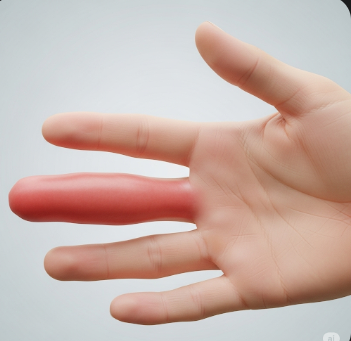
Dactylitis, often referred to as “sausage fingers” or “sausage toes,” is a condition where the entire finger or toe becomes swollen and inflamed, resembling the shape of a sausage. This swelling is usually caused by underlying inflammatory, autoimmune, or infectious conditions that affect the joints, tendons, and surrounding soft tissues.
In Korea, specialized rheumatology and orthopedic clinics are well-equipped with advanced imaging (MRI, ultrasound), laboratory testing, and biologic therapies to diagnose and treat dactylitis effectively.
Key Facts
Highlights:
➡️ Dactylitis is not a disease itself but a symptom of an underlying condition.
➡️ Commonly associated with psoriatic arthritis, sickle cell disease, gout, and infections.
➡️ Appears as diffuse swelling of the entire finger or toe, often painful and stiff.
➡️ Can be acute (sudden onset) or chronic (long-lasting) depending on the cause.
➡️ In Korea, multidisciplinary treatment ensures early detection and targeted therapy.
What is Dactylitis?
Dactylitis is a type of inflammation involving the joints and tendons, leading to a uniform swelling of an entire finger or toe. Unlike simple joint swelling, dactylitis causes diffuse swelling, affecting the whole digit.
Types:
- Psoriatic Dactylitis: Linked to psoriatic arthritis.
- Sickle Cell Dactylitis: Seen in children with sickle cell anemia.
- Infectious Dactylitis: Caused by bacterial or tuberculous infections.
- Crystal-Induced Dactylitis: Due to gout or pseudogout.
What Symptoms are Related to Dactylitis?
Symptoms vary with the underlying cause but typically include:
- Uniform swelling of one or more fingers/toes
- Pain and tenderness along the digit
- Stiffness and limited range of motion
- Warmth or redness over the affected area
- Difficulty gripping or walking, depending on location
Highlights:
➡️ Swelling often affects the entire finger/toe rather than just one joint.
➡️ May be painful or painless, depending on the disease causing it.
➡️ Chronic dactylitis may lead to joint deformity and functional disability.
What Causes / Possible Causes of Dactylitis?
Highlights:
➡️ Psoriatic Arthritis: A common cause where joint inflammation affects the fingers and toes.
➡️ Spondyloarthritis: Includes ankylosing spondylitis and reactive arthritis.
➡️ Sickle Cell Disease: Seen in young children due to bone marrow obstruction from sickled cells.
➡️ Gout and Pseudogout: Uric acid or calcium crystals deposit in the joints.
➡️ Infections: Tuberculosis, syphilis, or bacterial infections involving bones/tendons.
➡️ Sarcoidosis: A rare inflammatory disorder that can also cause dactylitis.
➡️ Mechanism: Inflammation of joints, tendons, and surrounding tissues leads to diffuse swelling and pain.
When Should I See My Doctor?
Highlights:
➡️ If sudden finger or toe swelling appears without injury.
➡️ If dactylitis is associated with skin conditions like psoriasis.
➡️ If swelling is painful, warm, or accompanied by fever (possible infection).
➡️ If you have recurrent or chronic episodes of swollen digits.
➡️ If you already have a known autoimmune disease (like arthritis) and develop new swelling.
➡️ Early medical evaluation is crucial to prevent long-term joint damage and disability.
Care and Treatment
Treatment depends on the underlying cause, focusing on reducing inflammation, relieving pain, and managing the root disease.
Highlights:
➡️ Medications:
- NSAIDs (ibuprofen, naproxen) for pain and inflammation
- Corticosteroids (oral or injections) for severe swelling
- DMARDs (Disease-Modifying Anti-Rheumatic Drugs) for psoriatic arthritis
- Biologic therapies (TNF inhibitors, IL-17 blockers) for autoimmune causes
- Antibiotics/antitubercular drugs if due to infection
➡️ Physical Therapy: Improves joint mobility, function, and reduces stiffness.
➡️ Lifestyle Modifications:
- Warm compress for pain relief
- Maintaining joint flexibility with gentle exercises
- Healthy diet to reduce uric acid levels in gout
➡️ Surgical Interventions: Rarely required, but may be needed for severe deformities or infections.
Treatment Options in Korea
South Korea offers world-class management for dactylitis, focusing on early diagnosis, advanced imaging, and targeted therapies.
Highlights:
➡️ Advanced Diagnostics: MRI, ultrasound, and lab tests to pinpoint the cause.
➡️ Rheumatology Clinics: Specialized care for psoriatic arthritis, gout, and autoimmune diseases.
➡️ Hematology Expertise: Management of sickle cell dactylitis in children.
➡️ Biologic Treatments: Access to cutting-edge biologics for psoriatic and rheumatoid arthritis.
➡️ Infection Control: Specialized infectious disease centers treat TB and bacterial dactylitis.
➡️ Multidisciplinary Approach: Collaboration among rheumatologists, orthopedists, hematologists, and physiotherapists.
➡️ Medical Tourism: Korean hospitals provide personalized treatment packages for international patients seeking specialized arthritis and hematology care.