Overview
Clonus is a neurological condition characterized by involuntary, rhythmic, and repeated muscle contractions, typically observed in the ankle, knee, or wrist. It often indicates upper motor neuron lesions or neurological disorders affecting the central nervous system (CNS).
In South Korea, neurology and rehabilitation clinics provide comprehensive assessment and treatment for clonus, utilizing clinical evaluation, imaging, and physical therapy to reduce symptoms and improve mobility.
Key Facts
Highlights:
➡️ Clonus is usually triggered by sudden stretching of a muscle.
➡️ It is a sign of underlying neurological problems, not a disease on its own.
➡️ Commonly associated with stroke, multiple sclerosis, cerebral palsy, spinal cord injury, or traumatic brain injury.
➡️ Can affect one limb (unilateral) or both limbs (bilateral).
➡️ South Korea provides advanced neurology care and rehabilitation programs to manage clonus effectively.
What is Clonus?
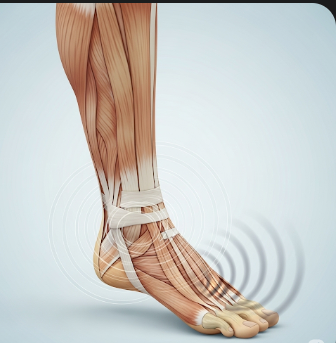
Clonus is an involuntary, rhythmic contraction and relaxation of a muscle in response to sudden stretching, often noticeable as a series of rapid jerks.
Key characteristics:
- Repetitive, rhythmic muscle movements
- Commonly affects ankle, knee, wrist, or fingers
- Triggered by sudden stretching of the muscle
- Associated with increased muscle tone (spasticity)
- May occur in isolation or with other neurological symptoms such as weakness or hyperreflexia
Clonus is considered a sign of CNS dysfunction affecting motor control pathways, rather than a standalone disease.
What Symptoms are Related to Clonus?
Symptoms often accompany clonus and may include:
- Muscle stiffness or spasticity
- Involuntary rhythmic jerking
- Difficulty walking or maintaining balance
- Muscle fatigue or soreness after repeated clonus episodes
- Associated neurological symptoms like hyperactive reflexes, weakness, or impaired coordination
Highlights:
➡️ Clonus can interfere with mobility and daily activities.
➡️ Severity ranges from mild and barely noticeable to severe, affecting gait and hand function.
➡️ Early evaluation helps identify the underlying neurological disorder and prevent complications.
What Causes / Possible Causes of Clonus?
Highlights:
➡️ Stroke: Damage to upper motor neurons in the brain can trigger clonus in affected limbs.
➡️ Multiple Sclerosis: Demyelination disrupts nerve signals, leading to involuntary muscle contractions.
➡️ Spinal Cord Injury: Trauma to the spinal cord may cause spasticity and clonus below the injury site.
➡️ Cerebral Palsy: Upper motor neuron lesions in children can result in clonus, often in the ankle or knee.
➡️ Traumatic Brain Injury: CNS damage can lead to hyperactive reflexes and clonus.
➡️ Other Neurological Disorders: Amyotrophic lateral sclerosis (ALS) or severe peripheral nerve lesions in rare cases.
➡️ Mechanism: Clonus occurs due to disruption of inhibitory signals from the brain to the spinal cord, resulting in repetitive muscle contractions.
When Should I See My Doctor?
Highlights:
➡️ If clonus appears suddenly or after trauma, especially with weakness or numbness.
➡️ If clonus is persistent or worsening, impacting mobility or daily activities.
➡️ If accompanied by other neurological symptoms such as muscle weakness, spasticity, or gait disturbances.
➡️ For children with cerebral palsy, early assessment is critical for managing long-term motor function.
➡️ Early evaluation ensures accurate diagnosis, treatment of underlying causes, and improved functional outcomes.
Care and Treatment
Management of clonus focuses on reducing symptoms and treating the underlying neurological disorder:
Highlights:
➡️ Physical Therapy:
- Stretching exercises to reduce spasticity
- Strengthening exercises to improve motor control
- Gait training and balance exercises
➡️ Medications:
- Muscle relaxants such as baclofen or tizanidine
- Benzodiazepines in certain cases to reduce muscle overactivity
➡️ Occupational Therapy:
- Assistance with daily activities affected by clonus
- Adaptive devices for mobility or hand function
➡️ Surgical or Interventional Procedures:
- Intrathecal baclofen pump for severe, treatment-resistant clonus
- Nerve blocks in selected cases
➡️ Lifestyle Measures:
- Avoid prolonged immobilization to prevent stiffness
- Regular monitoring and follow-up with neurologist or rehabilitation specialist
Treatment Options in Korea
South Korea provides specialized care for patients with clonus, including:
Highlights:
➡️ Neurology Clinics: Comprehensive evaluation using neurological exams, MRI, and nerve conduction studies.
➡️ Rehabilitation Centers: Physical and occupational therapy programs tailored to reduce spasticity and improve mobility.
➡️ Multidisciplinary Approach: Collaboration among neurologists, physiatrists, physical therapists, and occupational therapists.
➡️ Advanced Interventions: Intrathecal baclofen pumps, botulinum toxin injections, and surgical options for severe cases.
➡️ Medical Tourism Support: Multilingual consultations, diagnostics, and treatment plans for international patients.
➡️ Follow-Up Care: Continuous monitoring of neurological function and therapy adjustment to optimize recovery.