
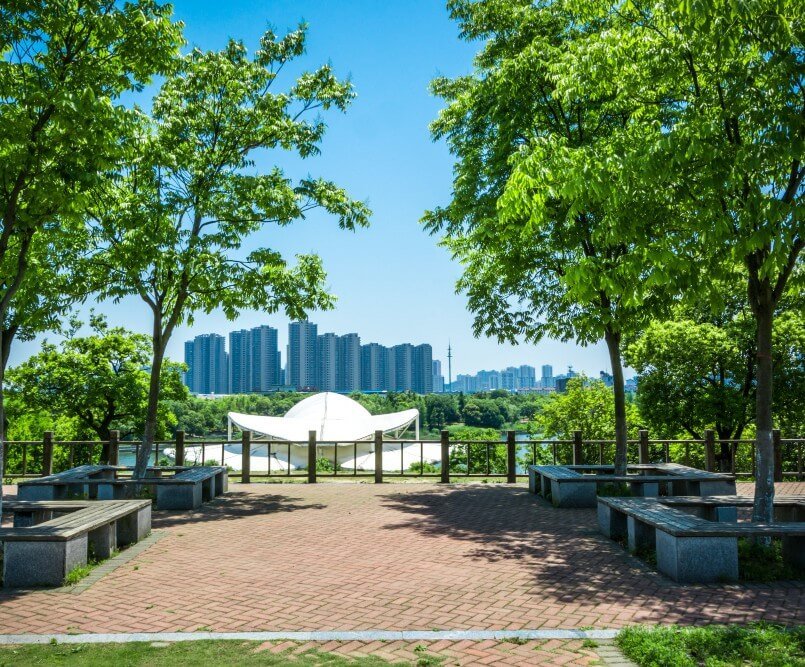
In South Korea’s bustling cities — from Seoul’s towering skyline to Busan’s coastal sprawl — one thing stands out amid the concrete and steel: green spaces. Parks, rooftop gardens, and tree-lined streets are more than just pretty scenery; they play a vital role in mental and emotional health. As urban populations grow and stress levels rise, the relationship between nature and mental well-being has become a key focus for researchers, city planners, and healthcare professionals alike.
Today, we understand that urban green spaces are not a luxury — they are essential infrastructure for a healthy mind and community.
Why Green Spaces Matter in Modern Cities
Modern life in cities can be overwhelming. The constant noise, fast pace, and crowded environments increase stress hormones like cortisol, leading to burnout and anxiety. Green spaces offer a natural antidote.
• Reduces stress: Studies show that spending time in parks lowers heart rate and blood pressure.
• Improves focus: Nature helps restore mental attention, reducing fatigue from screen-heavy work.
• Boosts mood: Even a short walk among trees can increase serotonin levels and feelings of calm.
• Encourages physical activity: Green areas motivate people to move — walking, cycling, or stretching outdoors.
For Koreans, where city living is the norm, the integration of urban greenery is becoming an essential part of the country’s mental health strategy.
The Science Behind Nature and the Brain
The connection between nature and mental health is backed by strong scientific evidence.
• Visual exposure to greenery reduces activity in the brain’s stress centers, particularly the amygdala, which controls fear and anxiety.
• Phytochemicals released by trees, known as phytoncides, can improve mood and strengthen the immune system.
• Sunlight exposure in green spaces boosts vitamin D, which is linked to lower depression rates.
• Quiet natural sounds, like rustling leaves or running water, activate the parasympathetic nervous system, promoting relaxation.
In Korea, where technology dominates daily life, reconnecting with nature helps restore mental balance and mindfulness.
Korean Cities Leading the Green Revolution
South Korea has made remarkable progress in developing eco-friendly, wellness-centered cities that blend modernity with nature.
1. Seoul Forest
• A vast park in the center of Seoul with walking trails, deer enclosures, and eco-learning zones.
• Provides citizens with a calm retreat from urban chaos.
• Encourages community activities and mental relaxation through forest bathing (shinrin-yoku).
2. Haneul Park
• Built on a former landfill, it’s now one of Seoul’s most iconic green landmarks.
• The park symbolizes environmental healing and personal renewal — a place for reflection and serenity.
3. Busan Citizens Park
• A large-scale urban oasis promoting social connection, outdoor exercise, and stress relief.
• Regular wellness programs encourage residents to engage in yoga, walking clubs, and meditation in nature.
4. Jeju’s Eco Parks
• Beyond the mainland, Jeju Island is famous for eco-tourism and healing forests, where visitors experience nature-based therapies.
These spaces reflect Korea’s growing recognition that mental health care starts with a green environment.
Urban Nature Therapy: Korea’s Innovative Approach
In recent years, Korea has introduced the concept of “forest healing” (산림치유, Sanlim Chiyu) — structured programs that use nature exposure to improve mental and physical health.
• Forest therapy centers now operate nationwide, guided by trained professionals.
• Participants engage in meditative walks, breathing exercises, and aromatherapy using natural forest scents.
• Programs are designed for anxiety, depression, burnout, and even post-traumatic stress.
The government’s Korea Forest Service officially recognizes forest healing as a legitimate form of preventive healthcare, integrating it into public wellness initiatives.
Benefits of Green Spaces for Mental Health
Urban greenery impacts every stage of life — from children to the elderly.
• For children: Outdoor play improves attention span, reduces ADHD symptoms, and encourages creativity.
• For workers: Green surroundings during lunch breaks enhance productivity and mood.
• For seniors: Gentle walks in parks reduce loneliness and improve cognitive function.
• For everyone: Green spaces encourage social interaction, which builds emotional resilience and community connection.
Tip: Even 20 minutes a day in a green environment can reduce stress levels significantly — a habit worth adopting for anyone living in a busy city.
Designing Cities for Mental Well-Being
Korean architects and urban planners are now focusing on biophilic design — creating buildings and spaces that connect people with nature.
• Rooftop gardens and vertical forests: Skyscrapers now include green terraces to give workers a visual and physical escape.
• Community gardens: Residents grow their own plants, building a sense of purpose and belonging.
• Green walkways and bike paths: Connecting parks and neighborhoods encourages active, eco-friendly transportation.
• Hospital healing gardens: Medical centers in Korea are integrating therapeutic gardens to support patient recovery.
These innovations make cities more livable, peaceful, and mentally restorative — even for those who can’t leave urban life.
Mental Health Policies Supporting Urban Green Spaces
The Korean government has launched multiple programs to strengthen the link between mental health and environmental planning.
• The Ministry of Environment collaborates with health organizations to promote eco-healing spaces.
• “Smart Green City” initiatives integrate nature-based solutions into urban design.
• Local governments sponsor forest therapy programs for office workers and students.
• Public campaigns encourage citizens to spend time outdoors for better mental balance.
These efforts align with Korea’s national vision of sustainable well-being, combining mental health care with environmental sustainability.
The Hidden Social Benefits of Green Spaces
Beyond individual well-being, green spaces foster community and connection.
• People who spend time in shared parks feel less isolated and more supported.
• Outdoor public areas encourage intergenerational interaction, strengthening family and social ties.
• Green spaces often host cultural events, art exhibits, and wellness classes, promoting creativity and inclusivity.
A greener city is not only mentally healthier — it’s socially stronger.
Challenges and the Path Forward
Despite progress, maintaining urban green spaces in Korea isn’t without challenges.
• Limited land availability in densely populated cities like Seoul restricts expansion.
• Urban development pressure often competes with environmental preservation.
• Maintenance costs and pollution can harm plants and ecosystems if not managed sustainably.
However, innovative urban design and government initiatives continue to expand greenery — proving that mental health and sustainability can grow together.