
Traditional Remedies for Digestive Health in Korea
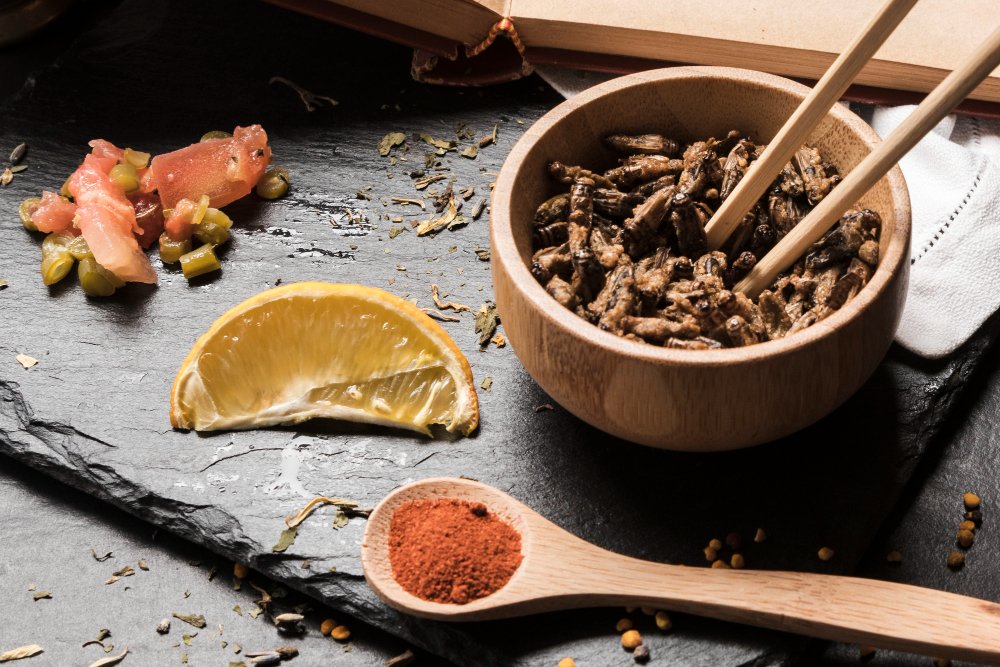
Digestive health has always held a central place in Korean traditional medicine (Hanbang, 한방). In Korea’s holistic healing philosophy, the stomach and intestines are considered the foundation of vitality — where nourishment, energy (Qi), and balance begin. When the digestive system is weakened, it can affect not just physical health but also mood, immunity, and […]
The Role of Aromatherapy in Korean Wellness Centers

Korea’s wellness industry has evolved into one of the most innovative in Asia, blending traditional healing philosophies with modern science and spa culture. Among its many holistic therapies, aromatherapy has gained special prominence in wellness centers and clinics across the country. More than just a relaxation technique, aromatherapy in Korea is viewed as a therapeutic […]
Korean Cupping Therapy (Chim): Ancient Healing in Modern Times

Cupping therapy — known in Korea as Chim (부항, Buhang) — is one of the oldest and most iconic practices of Korean traditional medicine. For centuries, it has been used to relieve pain, stimulate circulation, and restore balance throughout the body. Today, this ancient therapy is experiencing a powerful revival, as both locals and global […]
Ginseng Research: The Latest Findings from Korean Scientists
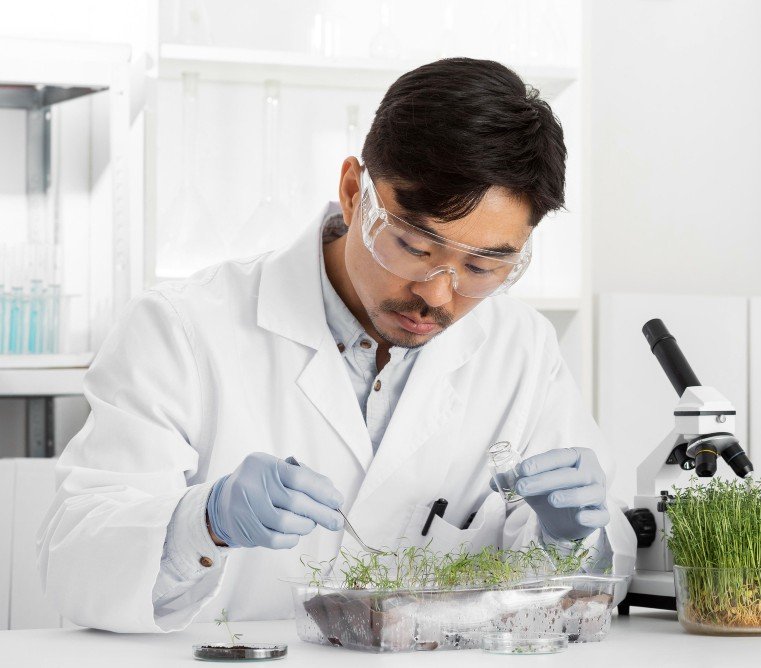
For centuries, ginseng has been one of Korea’s most prized medicinal plants, celebrated for its restorative and strengthening properties. Today, modern Korean scientists are uncovering the molecular secrets behind this ancient herb, translating traditional knowledge into clinical evidence. Recent research reveals how ginseng supports immunity, energy, metabolism, and cognitive function. With advanced biotechnology, Korea continues […]
Exploring the Benefits of Traditional Korean Acupuncture
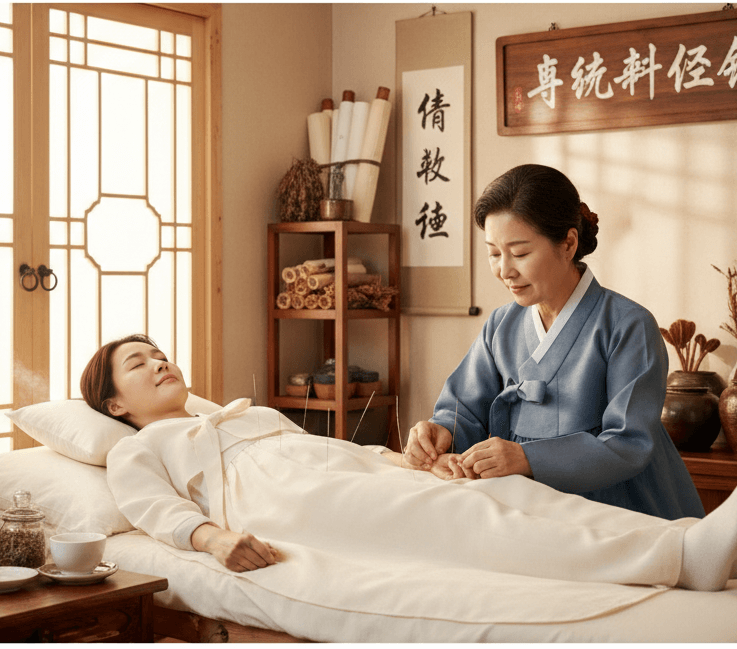
Acupuncture is one of the most well-known forms of traditional medicine in the world, and in Korea, it holds a special place in both history and modern healthcare. Traditional Korean Acupuncture, or Chimsul (침술), is more than just an ancient healing technique — it’s a deeply refined medical practice that connects body, mind, and energy […]
How Korea Handles Epidemic Preparedness and Response

South Korea has earned global recognition for its strong epidemic preparedness and response system. From the rapid containment of COVID-19 to its structured approach to influenza, MERS, and other outbreaks, Korea has shown how advanced planning, technology, and public cooperation can prevent large-scale crises. In 2026, this preparedness remains a core pillar of national public […]
Clean Water and Hygiene Initiatives in Rural Korea

Access to clean water and proper hygiene is essential for maintaining public health, yet rural communities in Korea have historically faced challenges in achieving the same standards as urban areas. While cities enjoy reliable tap water systems, many rural villages still rely on older wells or decentralized water sources. In recent years, the Korean government, […]
Public Health Response to Seasonal Flu in 2026

Seasonal influenza continues to be a major public health concern in Korea, especially during the colder months. While vaccines and antiviral treatments are widely available, the 2026 flu season brings new challenges and strategies that reflect Korea’s evolving approach to disease prevention and management. The Korean government, led by the Korea Disease Control and Prevention […]
Korea’s Plan to Reduce Smoking Rates Among Youth

Smoking among young people poses serious risks — addiction, long-term disease burden, and public health costs. In response, South Korea is stepping up efforts to curb youth smoking through a multifaceted plan combining policy, education, enforcement, and innovation. The aim is clear: to make tobacco use unattractive, inaccessible, and socially unacceptable for the next generation. […]
The Importance of Early Cancer Screening in Korean Women

Cancer remains one of the leading causes of death in South Korea, but early detection has become a powerful tool in reducing mortality — especially among women. Thanks to national screening programs, improved awareness, and advanced diagnostic technology, survival rates for breast, cervical, and thyroid cancers have improved dramatically. Yet, many women still skip screenings […]