Music therapy is emerging as one of Korea’s most effective and creative approaches to mental health recovery. By blending modern psychology with Korea’s deep musical heritage, this form of therapy is helping patients express emotions, reduce anxiety, and reconnect with their sense of self. From hospitals and schools to rehabilitation centers, music is increasingly being recognized as a bridge between emotional healing and clinical treatment.
The Rise of Music Therapy in Korea
Music therapy in Korea began gaining traction in the late 20th century, when mental health professionals started to explore how rhythm, melody, and sound could support psychological recovery. Today, many major hospitals and mental health centers—such as Samsung Medical Center, Ewha Womans University Hospital, and Severance Hospital—incorporate music therapy into their treatment programs.
What sets Korea apart is its unique combination of Western therapeutic methods and traditional Korean musical elements. For example, therapists often integrate forms like Pansori (narrative singing), folk rhythms, and healing drumming to help clients release emotion, find inner calm, and reconnect with cultural roots. This hybrid approach makes music therapy accessible and meaningful to people of all ages and backgrounds.
How Music Therapy Works
Korean music therapists use a range of techniques depending on the client’s condition, goals, and preferences. The most common methods include:
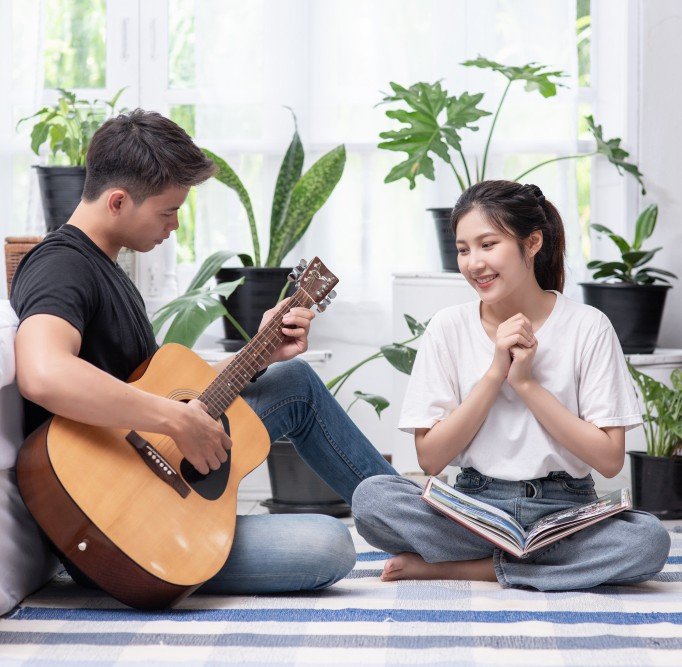
➤ Active Music-Making: Patients play instruments, sing, or improvise music, encouraging self-expression and communication. This helps individuals process emotions that might be difficult to express verbally.
➤ Guided Listening: Therapists play specific pieces of music to evoke relaxation or reflection. Listening to familiar or culturally significant songs often brings comfort and emotional clarity.
➤ Songwriting and Lyric Exploration: Patients create or reinterpret songs that reflect their personal stories. Writing lyrics allows individuals to explore themes of identity, grief, or hope in a safe environment.
➤ Group Sessions: Group music therapy encourages teamwork, empathy, and connection. Participants share rhythm and melody, reducing feelings of isolation while building social support.
➤ Movement and Rhythm Exercises: Rhythmic movement or drumming promotes body awareness, coordination, and relaxation, helping regulate emotions and improve concentration.
Applications in Mental Health and Rehabilitation
Music therapy is being used across various clinical and community settings in Korea:
For Adolescents:
Combining Cognitive Behavioral Therapy (CBT) with music therapy has shown great promise in addressing anxiety, impulsivity, and smartphone addiction among teens. It helps them build focus and emotional awareness through rhythm and self-expression.
For Hospitalized Children:
At hospitals like Samsung Medical Center, live music sessions and interactive performances brighten the moods of children battling serious illnesses. These activities relieve stress and foster emotional resilience during long hospital stays.
For Adults Facing Depression or Burnout:
Music therapy sessions focusing on improvisation or lyrical analysis allow adults to reconnect with suppressed feelings and rebuild motivation. Many corporate wellness programs now include music therapy workshops to combat workplace stress.
For the Elderly:
Group singing and listening to familiar Korean folk songs are used in nursing homes and day-care centers to improve memory, mood, and social connection. Research shows significant reductions in loneliness and depressive symptoms among elderly participants.
For Marginalized Communities:
Community organizations offer music therapy to immigrants, refugees, and trauma survivors. By sharing songs and creating new ones, participants develop a sense of belonging and emotional safety.
Scientific Evidence and Positive Outcomes
Studies in Korea show that music therapy has measurable effects on emotional and behavioral health.
➡️ Adolescents who received music therapy alongside CBT reported lower anxiety and greater self-control.
➡️ University students in group sessions experienced improved emotional regulation and reduced isolation.
➡️ Elderly participants in music programs showed decreased depression and improved cognitive function.
Clinicians emphasize that music therapy works not just because of the music itself but because it builds connection, safety, and meaning—three pillars of psychological healing.
Cultural Significance and Innovation
Music therapy in Korea reflects the nation’s cultural identity, where art and emotion are deeply intertwined. Therapists often use traditional instruments such as gayageum (12-string zither), janggu (drum), and haegeum (two-string fiddle) in sessions, encouraging cultural pride and mindfulness through sound.
Technological integration is another growing trend. Some clinics use digital music creation tools, recording software, and biofeedback technology to measure physiological responses during therapy. This combination of art and science strengthens the therapeutic impact and helps tailor treatment to each patient’s needs.
Challenges and Future Directions
Although music therapy is gaining popularity, several challenges remain:
➡️ Lack of standardized certification and regulation for therapists.
➡️ Limited public awareness and insurance coverage.
➡️ Need for more large-scale studies to validate long-term outcomes.
Nevertheless, interest continues to grow. Universities now offer degree programs in music therapy, and more hospitals are hiring certified professionals. Government support and public awareness campaigns are expected to expand access to creative therapies in the coming years.
A New Harmony Between Music and Mental Health
In a society where emotional expression is often restrained, music therapy offers a safe, creative outlet for healing. Through rhythm, melody, and cultural resonance, Korean therapists are helping patients process emotions, recover from trauma, and rediscover joy.
Music therapy in Korea represents more than treatment—it symbolizes a cultural movement toward empathy, openness, and emotional well-being. By listening, creating, and sharing music, people are not just healing their minds—they are finding harmony within themselves and their communities.