South Korea has earned global recognition for its strong epidemic preparedness and response system. From the rapid containment of COVID-19 to its structured approach to influenza, MERS, and other outbreaks, Korea has shown how advanced planning, technology, and public cooperation can prevent large-scale crises.
In 2026, this preparedness remains a core pillar of national public health policy. Korea continues to invest in prevention, early detection, and coordinated responses to safeguard both citizens and global health security.
A Framework Built on Lessons from Past Outbreaks
Korea’s current response framework was shaped by hard-learned lessons. The 2015 MERS (Middle East Respiratory Syndrome) outbreak exposed weaknesses in communication and hospital infection control. In response, the government strengthened its legal and operational systems, giving rise to a model that balances science, transparency, and technology.
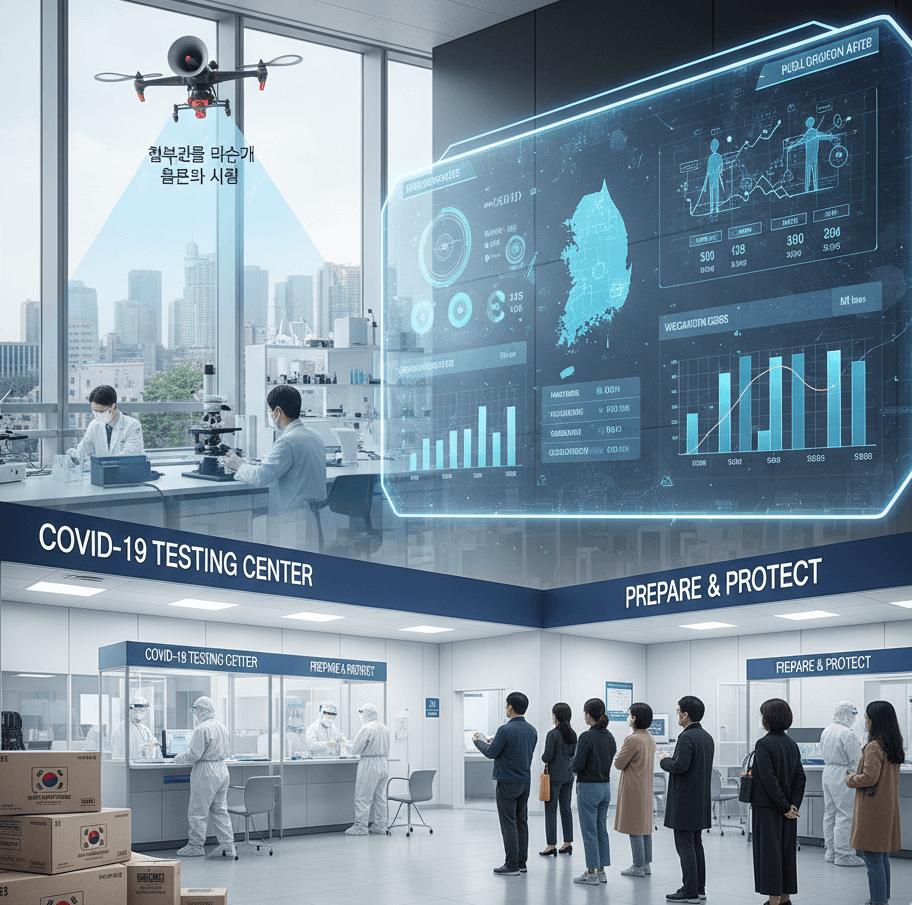
When COVID-19 struck in 2020, Korea was ready. Rapid testing, contact tracing, and clear public communication kept infection rates comparatively lower without a full national lockdown. That success became a blueprint for future epidemics.
Today, Korea’s epidemic response follows a four-stage model:
- ❂ Prevention and preparedness before outbreaks occur
- ❂ Early detection and rapid investigation
- ❂ Containment through public health measures
- ❂ Recovery and evaluation after the crisis
The Role of the Korea Disease Control and Prevention Agency (KDCA)
At the center of Korea’s epidemic system is the Korea Disease Control and Prevention Agency (KDCA). Established as an independent agency in 2020, it leads surveillance, laboratory diagnostics, and crisis response coordination.
The KDCA operates a nationwide Infectious Disease Monitoring Network, linking hospitals, clinics, and laboratories. This digital platform collects and analyzes data in real time, allowing immediate alerts when unusual disease clusters appear.
The agency also manages stockpiles of medical supplies, coordinates vaccination programs, and provides guidance to local governments during emergencies. Its direct communication with the public — through press briefings and mobile notifications — builds trust and ensures transparency.
Surveillance and Early Warning Systems
Korea’s preparedness relies heavily on its ability to detect outbreaks early. The country runs sentinel surveillance programs for more than 80 infectious diseases. These systems monitor hospitals, emergency departments, and even veterinary centers to identify signs of emerging threats.
The Integrated Disease Information System (IDIS) compiles all these data sources into a central database. Artificial intelligence and predictive analytics are increasingly used to detect anomalies — for example, a sudden rise in fever cases in a specific region.
- ⚪ The National Infectious Disease Response Center monitors global disease alerts from organizations such as WHO and responds when cross-border threats arise.
- ⚪ The Public Health Emergency Operations Center (EOC) coordinates rapid deployment of field investigation teams.
- ⚪ Mobile notification systems allow health officials to alert citizens immediately about local risks or exposure locations.
Stockpiles, Medical Supplies, and Infrastructure
Preparedness also means having the right tools on hand. Korea maintains strategic stockpiles of personal protective equipment (PPE), antivirals, and vaccines. These are stored in multiple regional hubs to ensure fast distribution in emergencies.
Since COVID-19, the government has expanded domestic production capacity for diagnostic kits, masks, and ventilators to reduce reliance on imports. National health insurance also supports the distribution of critical medicines during crises.
Local governments operate Community Health Centers, which serve as first-response facilities for testing and vaccination. These centers are connected to the national digital health network, allowing coordinated action between cities and provinces.
Strengthening Hospital Preparedness
Hospitals play a vital role in epidemic control. The government designates infectious disease hospitals and isolation units capable of handling high-risk pathogens safely.
To minimize hospital outbreaks, strict infection prevention and control (IPC) training is mandatory for healthcare staff. During large-scale epidemics, hospitals implement triage zones that separate patients with respiratory symptoms from general patients.
Simulation drills are conducted annually across hospitals to test readiness, including donning PPE, managing patient flow, and coordinating with the KDCA.
Vaccine Research and Development
Korea views vaccine security as essential to epidemic preparedness. The government actively supports vaccine research through public-private partnerships and funding initiatives.
National firms are developing vaccines for diseases such as influenza, COVID-19 variants, and emerging pathogens like avian flu or MERS. The National Institute of Infectious Diseases (NIID) works closely with the private sector to accelerate development and regulatory approval.
The long-term goal is to achieve self-sufficiency in vaccine production and create adaptable platforms, such as mRNA technology, that can be rapidly updated when new viruses emerge.
Community Engagement and Public Communication
One of Korea’s greatest strengths is its culture of public cooperation. Citizens are accustomed to following government advisories and practicing preventive behaviors such as mask-wearing and hand hygiene.
Public communication is handled with clarity and speed. During outbreaks, the KDCA provides daily updates through national television, websites, and mobile alerts. These include statistics, safety guidance, and information on testing and vaccination centers.
- ❂ Schools and workplaces receive official health education materials.
- ❂ Public campaigns promote vaccination, hygiene, and early testing.
- ❂ Community health volunteers assist with outreach, especially in rural areas.
This approach builds trust and ensures that citizens become partners in prevention rather than passive recipients of instructions.
Legal and Administrative Framework
Korea’s epidemic management is governed by the Infectious Disease Control and Prevention Act, which outlines responsibilities for government agencies, healthcare institutions, and individuals.
This law empowers authorities to impose quarantines, secure data for contact tracing, and mobilize emergency medical personnel when needed. It also defines penalties for those who fail to comply with public health directives, ensuring accountability.
Local governments play a key role as well. Each province maintains an Infectious Disease Response Headquarters that coordinates with the KDCA. Decentralized but standardized management ensures a rapid and unified national response.
International Collaboration
As part of global health diplomacy, Korea contributes to epidemic control efforts beyond its borders. It shares data with the World Health Organization and supports disease monitoring in partner countries through development aid programs.
Korean experts participate in global vaccine and research initiatives, helping strengthen collective readiness against pandemics. The nation’s model of testing, tracing, and transparency has inspired other countries to adopt similar systems.
Challenges and Future Directions
Even with its advanced infrastructure, Korea faces challenges in maintaining long-term preparedness. New viruses can emerge unexpectedly, and balancing economic activity with containment measures remains complex.
Key areas of focus for the future include:
- ⚪ Expanding local vaccine manufacturing and stockpiles
- ⚪ Enhancing mental health support for healthcare workers during crises
- ⚪ Improving integration between human and animal health surveillance (One Health approach)
- ⚪ Upgrading digital tools to detect outbreaks even faster
- ⚪ Strengthening risk communication for diverse age and language groups
By addressing these issues, Korea aims to maintain agility and resilience against future epidemics.
Conclusion
Korea’s approach to epidemic preparedness and response is grounded in readiness, rapid action, and public trust. Its success lies not in any single technology or law but in the coordination between government, healthcare professionals, researchers, and citizens.
Through continuous investment in science, communication, and community cooperation, Korea has built one of the most reliable epidemic management systems in the world.