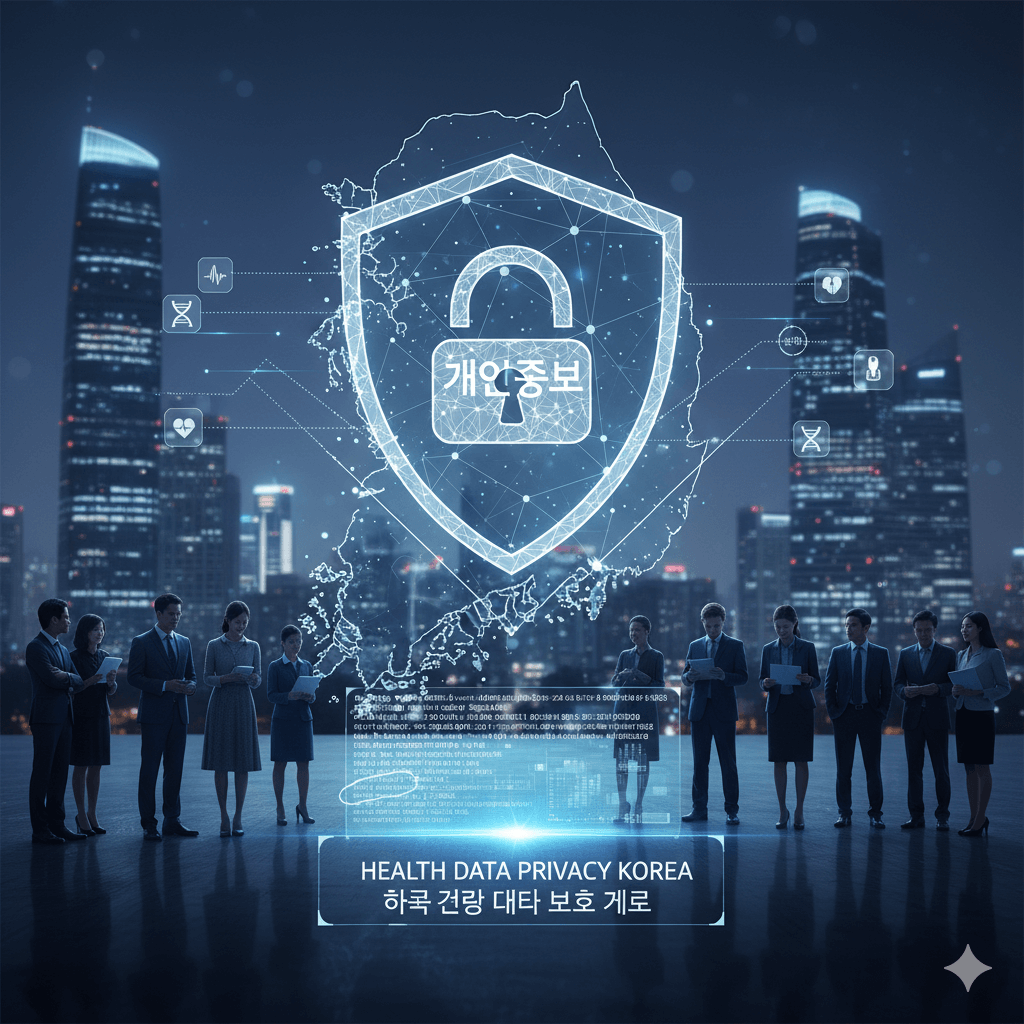
In the digital age, data security has become one of the most critical challenges in healthcare. Hospitals and medical institutions handle vast amounts of sensitive information — from patient histories and prescriptions to insurance details and genetic data. South Korea, a leader in technological innovation, is now turning to blockchain technology to enhance data security, transparency, and interoperability in its healthcare system. By integrating blockchain into hospital networks and national health initiatives, Korea is setting new global standards for secure, patient-centered digital health.
Understanding Blockchain in Healthcare
Blockchain is a decentralized digital ledger that records transactions in secure, immutable “blocks.” Once data is entered, it cannot be altered or deleted without consensus, making it highly resistant to hacking or unauthorized access.
➡️ Key features that make blockchain ideal for healthcare:
• Transparency: Every change in data is traceable and verified.
• Decentralization: Eliminates single points of failure and reduces hacking risk.
• Immutability: Prevents tampering or unauthorized edits to patient records.
• Encryption: Protects sensitive health information during storage and sharing.
✅ In essence: Blockchain ensures that patient data is not just stored — it’s protected, verified, and shared responsibly across the healthcare ecosystem.
Why Data Security Matters in Korean Healthcare
South Korea’s healthcare system is highly digitized, with electronic health records (EHRs) widely used in hospitals and clinics. However, as digital adoption has increased, so have cybersecurity threats.
➡️ Challenges faced before blockchain adoption:
• Data breaches exposing personal medical information.
• Fragmented health records spread across multiple providers.
• Difficulties in patient consent management and data sharing.
• Rising risks from ransomware attacks targeting hospitals.
💡 Fact: In recent years, Korea has recorded several healthcare data leaks affecting thousands of patients, prompting authorities to strengthen digital protection measures.
How Blockchain Enhances Patient Data Security
Blockchain offers an innovative solution by creating a secure, transparent, and patient-controlled data environment. Each transaction — whether a medical record update or prescription — is securely recorded and encrypted, ensuring data integrity.
➡️ Major improvements brought by blockchain:
• Data ownership: Patients can control who accesses their records, granting or revoking permission instantly.
• Secure sharing: Medical professionals can exchange data safely without relying on centralized servers.
• Tamper-proof records: Any attempt to alter a record is immediately visible to all network participants.
• Smart contracts: Automate processes like insurance claims or consent verification without third-party interference.
• Audit trails: Every access or update is logged for complete transparency.
🔐 Result: Blockchain not only secures data but also empowers patients — giving them full visibility and control over their health information.
Government Support and National Initiatives
The South Korean government recognizes blockchain as a strategic technology for digital healthcare innovation. Agencies like the Ministry of Science and ICT (MSIT) and the Ministry of Health and Welfare (MOHW) have launched multiple pilot programs and national projects to integrate blockchain into public health systems.
➡️ Key government-led blockchain projects:
• MyHealthWay Platform: A nationwide initiative enabling citizens to manage and share personal health data securely using blockchain.
• Korea Social Security Information Service Project: Uses blockchain to safeguard welfare and medical benefits data.
• Medical Blockchain Pilot Program (Busan, Seoul): Tests blockchain’s efficiency in hospital record management and interoperability between healthcare institutions.
• Insurance claim automation: Blockchain networks connect hospitals and insurers to speed up and secure reimbursement processes.
✅ Impact: These government programs are creating a framework for a transparent, interconnected healthcare ecosystem where data protection and patient autonomy are top priorities.
Hospitals and Tech Companies Leading the Way
Several Korean hospitals and tech firms are actively developing blockchain-based healthcare systems. This collaboration between medicine and technology is transforming data security from the ground up.
➡️ Examples of innovation in action:
• Seoul Medical Center: Introduced blockchain for patient record sharing across departments, improving efficiency and reducing risk of data leaks.
• Kakao Healthcare & Samsung SDS: Partnered with hospitals to develop blockchain EHR solutions with enhanced encryption and interoperability.
• Korea University Medical Center: Implemented blockchain in digital prescriptions and insurance claims to prevent fraud.
• Ewha Womans University Medical Center: Experimented with blockchain to streamline patient consent management.
💻 Result: These projects demonstrate how blockchain can reduce administrative burdens, improve accuracy, and protect patient data simultaneously.
Enhancing Patient Trust and Consent Management
In the traditional healthcare system, patients often have limited visibility over who accesses their records. Blockchain reverses this by putting patients in control of their data.
➡️ How blockchain enhances trust:
• Patients use digital identities to grant data access to specific providers.
• Consent is stored immutably, preventing unauthorized use of personal data.
• Notifications alert patients each time their data is accessed or modified.
• Data sharing between hospitals becomes faster and more transparent.
✅ Trust outcome: Patients feel more confident sharing medical information, knowing it cannot be misused or altered.
Blockchain and AI Integration in Korean Hospitals
Blockchain is not operating alone — it’s being combined with artificial intelligence (AI) to strengthen data analytics and precision medicine.
➡️ Benefits of integrating blockchain with AI:
• AI algorithms can analyze anonymized blockchain data for research safely.
• Encrypted records prevent identity exposure while enabling large-scale data use.
• AI models improve diagnostics, while blockchain ensures results are verifiable and unaltered.
• Data-sharing networks allow hospitals to collaborate securely on rare disease research.
🧠 Insight: By merging blockchain’s security with AI’s analytical power, Korean hospitals are building the foundation for ethical and efficient digital healthcare innovation.
Protecting Against Cyber Threats
Cybersecurity threats remain one of the biggest risks in healthcare. Blockchain drastically reduces the vulnerability of hospital databases to hacking and ransomware attacks.
➡️ Security advantages:
• Decentralized storage: No single server can be compromised.
• End-to-end encryption: Data remains secure during transfer and at rest.
• Immutable records: Hackers cannot alter or erase evidence of intrusion.
• Multi-signature verification: Prevents unauthorized access by requiring multiple confirmations.
🔒 Outcome: Hospitals using blockchain systems have reported stronger protection against data breaches and lower maintenance costs for cybersecurity infrastructure.
Cross-Hospital Data Sharing and Efficiency
In the past, patient data was often scattered across multiple clinics, making treatment coordination difficult. Blockchain solves this issue by creating a unified, accessible network where authorized medical professionals can access accurate patient histories instantly.
➡️ Benefits for healthcare providers:
• Reduced duplicate testing and paperwork.
• Faster emergency treatment through real-time record access.
• Seamless coordination between specialists and hospitals.
• Accurate medical history tracking across institutions.
💡 Efficiency boost: This not only saves time and costs but also improves diagnostic accuracy and patient safety.
Challenges and Future Outlook
While blockchain is promising, its adoption faces a few hurdles in Korea’s healthcare system.
➡️ Key challenges:
• Integration with legacy hospital IT systems.
• High costs of infrastructure development.
• Need for standardized data formats across institutions.
• Ongoing privacy regulation compliance under Korea’s Personal Information Protection Act (PIPA).
✅ Future direction: The Korean government and private sector are addressing these issues through collaborative research, policy frameworks, and scalable pilot projects. As the technology matures, blockchain is expected to become the core foundation of Korea’s smart healthcare ecosystem.
Final Thoughts
Blockchain is revolutionizing healthcare in Korea by transforming how patient data is secured, shared, and managed. It ensures that information integrity, privacy, and accessibility coexist — something traditional systems have struggled to achieve.
By empowering patients, enhancing hospital efficiency, and safeguarding against cyber threats, blockchain is helping Korea build a transparent, secure, and future-ready healthcare infrastructure.
✨ In the Korean vision of healthcare, data protection isn’t just a regulation — it’s an act of trust. And blockchain is the key technology making that trust possible.