Overview
Wandering spleen is a rare medical condition where the spleen is not located in its usual position in the upper left abdomen due to laxity or absence of the ligaments that normally hold it in place. This condition can lead to serious complications, including torsion (twisting) of the spleen’s blood vessels, which may result in splenic infarction (tissue death) and requires emergency treatment.
What is Wandering Spleen?
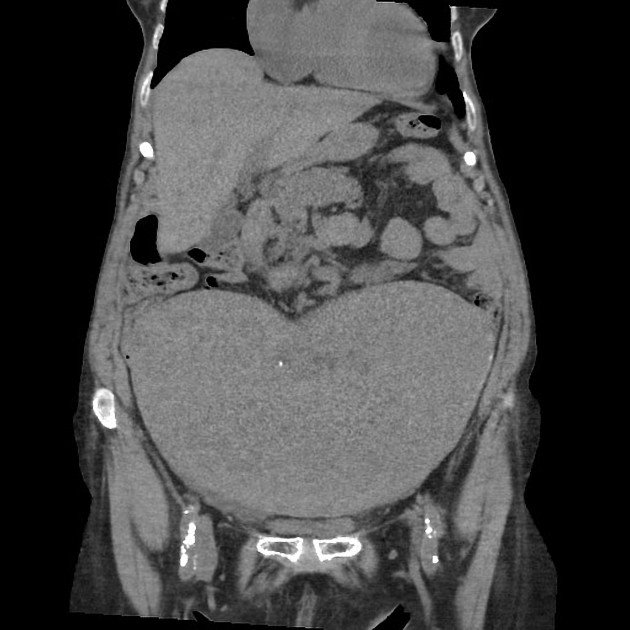
Wandering spleen occurs when the spleen is mobile and moves to unusual locations in the abdomen or pelvis. This abnormal mobility results from the failure or weakening of the ligaments that normally anchor the spleen. It can be congenital (present at birth) or acquired later in life due to factors like trauma, pregnancy, or connective tissue disorders. A wandering spleen may be asymptomatic or present with pain and a palpable abdominal mass.
Symptoms
The symptoms of wandering spleen vary depending on whether torsion has occurred. Common signs include:
- Intermittent or chronic abdominal pain
- A movable mass in the abdomen or pelvis
- Nausea or vomiting
- Fever (if torsion or infarction is present)
- Signs of splenic infarction (acute, severe pain, and shock)
- Gastrointestinal symptoms due to pressure on surrounding organs
Causes
Wandering spleen is caused by a lack of normal splenic ligaments or the weakening of these ligaments. Contributing factors include:
- Congenital absence or malformation of suspensory ligaments
- Pregnancy, which can stretch and weaken ligaments
- Connective tissue disorders like Ehlers-Danlos syndrome
- Trauma or surgery affecting the splenic region
- Splenomegaly (enlarged spleen), increasing weight and mobility
Risk Factors
Risk factors for developing wandering spleen include:
- Being a woman of childbearing age
- Multiple pregnancies
- Connective tissue disorders
- Abdominal trauma
- Congenital ligamentous abnormalities
- Children under 10 years old (in congenital cases)
Complications
If untreated, a wandering spleen can result in severe complications such as:
- Splenic torsion, cutting off blood supply to the spleen
- Splenic infarction, leading to tissue death
- Splenic rupture, potentially life-threatening
- Hypersplenism, causing blood cell destruction
- Abdominal adhesions or bowel obstruction due to mass effect
- Infections, especially if the spleen is removed
Prevention
Since wandering spleen often results from congenital or unavoidable conditions, it cannot always be prevented. However, in high-risk patients, preventive strategies may include:
- Early imaging and diagnosis
- Monitoring for abdominal symptoms in known cases
- Avoiding trauma to the abdomen
- Surgical intervention (splenopexy) in asymptomatic patients at risk of torsion
Treatment Options in Korea
South Korea offers advanced diagnostic and surgical options for wandering spleen, ensuring safe and effective treatment. Key services include:
- Imaging diagnostics like abdominal ultrasound, CT scan, or MRI to detect spleen displacement
- Emergency care for splenic torsion or infarction
- Laparoscopic splenopexy, a minimally invasive procedure to reposition and secure the spleen
- Splenectomy, or spleen removal, in cases of infarction or rupture
- Post-splenectomy vaccinations and care to prevent infection
- Treatment is available at top institutions such as Seoul St. Mary’s Hospital and Severance Hospital with expert general surgeons and gastroenterologists
Korean hospitals provide personalized care and follow-up, including immune system support and lifestyle counseling for patients who undergo splenectomy.