
Overview
Uterine Polyps, also known as endometrial polyps, are noncancerous growths in the inner lining of the uterus (endometrium). They can vary in size and number and are often found in women during perimenopause or after menopause. Although typically benign, some polyps can lead to fertility problems or, rarely, become precancerous. Most are treatable with minimally invasive procedures.
What is Uterine Polyps
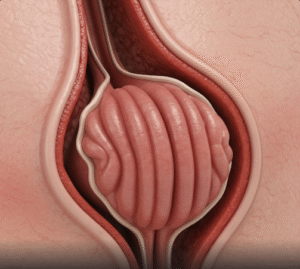
Uterine Polyps are soft, finger-like overgrowths of the endometrial tissue that protrude into the uterine cavity. They are usually attached to the uterine wall by a stalk (pedunculated) or a broad base (sessile). These growths may be small, about a few millimeters, or large enough to fill the uterus. While many uterine polyps are asymptomatic, others can cause abnormal bleeding, fertility issues, or pregnancy complications.
Symptoms
Symptoms vary based on size, number, and hormonal influence:
- Irregular or unpredictable menstrual bleeding
- Heavy periods (menorrhagia)
- Bleeding between periods (intermenstrual bleeding)
- Postmenopausal vaginal bleeding
- Infertility or difficulty conceiving
- Pelvic discomfort or cramping
- Abnormal vaginal discharge
In many cases, polyps may not produce any symptoms and are found incidentally during a pelvic ultrasound or fertility evaluation.
Causes
The exact cause of uterine polyps is not fully understood, but they are influenced by hormonal imbalances, particularly estrogen stimulation of the endometrial lining.
Potential contributing factors include:
- Overgrowth of endometrial glands
- Unopposed estrogen therapy
- Hormonal conditions (e.g., PCOS)
- Obesity and metabolic syndrome
Risk Factors
- Age over 40 (perimenopausal and postmenopausal women)
- Obesity
- Hypertension
- Hormone replacement therapy (estrogen only)
- Tamoxifen use (breast cancer treatment)
- Polycystic ovary syndrome (PCOS)
- Family history of endometrial conditions
Complications
While most uterine polyps are benign, they can cause:
- Infertility by interfering with embryo implantation
- Recurrent miscarriage in women undergoing IVF or trying to conceive
- Severe anemia from chronic heavy bleeding
- Endometrial hyperplasia or cancer (rarely, especially in postmenopausal women)
- Persistent bleeding requiring surgical removal
Prevention
There is no guaranteed way to prevent uterine polyps, but risk can be reduced or managed through:
- Regular gynecologic exams and ultrasounds, especially in women with risk factors
- Maintaining a healthy weight and hormone balance
- Monitoring estrogen therapy carefully
- Managing chronic conditions like diabetes and hypertension
- Timely treatment of menstrual irregularities
Treatment Options in Korea
South Korea offers advanced diagnostic tools and minimally invasive treatments for uterine polyps, ensuring high success rates and preservation of fertility when needed.
- Diagnosis:
- Transvaginal ultrasound to detect endometrial abnormalities
- Sonohysterography (saline infusion ultrasound) for clearer imaging
- Hysteroscopy (gold standard) for direct visualization and biopsy
- Endometrial biopsy to rule out malignancy
- Treatment:
- Watchful waiting for small, asymptomatic polyps
- Hysteroscopic polypectomy – minimally invasive procedure to remove polyps under direct vision
- Hormonal therapy (e.g., progestins) may help reduce recurrence
- Follow-up surveillance to monitor for regrowth
- Fertility consultation if conception is desired after polyp removal
South Korean medical centers provide expert hysteroscopic surgery, advanced endometrial evaluation, and personalized reproductive care, making them a top destination for effective and safe treatment of uterine polyps.