Overview
Unicameral Bone Cyst (UBC) is a benign, fluid-filled cavity that forms within a bone, most commonly in children and adolescents. These cysts typically develop in long bones such as the femur or humerus and are often discovered incidentally during X-rays for minor injuries. While they are non-cancerous and often asymptomatic, they can weaken the bone and increase the risk of fractures. Treatment depends on the size, symptoms, and risk of bone damage.
What is Unicameral Bone Cyst
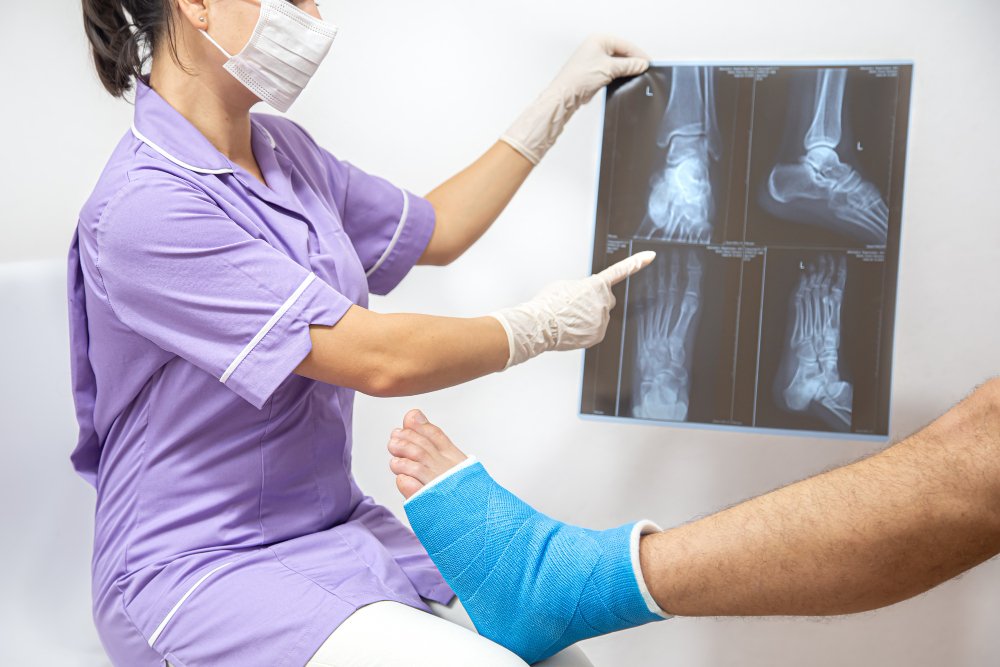
Unicameral Bone Cyst (UBC), also known as a Simple Bone Cyst, is a solitary, non-cancerous cavity within a bone that is filled with clear fluid. It usually occurs in the metaphysis—the growing end—of long bones like the upper arm (humerus) or thigh bone (femur). UBCs are most commonly diagnosed in children between the ages of 5 and 15 and tend to be discovered when a child suffers a fracture through the weakened bone. These cysts typically resolve with skeletal maturity, but some may require surgical intervention.
Symptoms
- Often asymptomatic and discovered incidentally
- Swelling or a painless bump near the bone
- Pain or discomfort if the cyst is large or after a fracture
- Pathologic fracture (bone breaks through the cyst area)
- Limited movement or function (if near a joint)
- Limping (if located in a weight-bearing bone like the femur)
Causes
The exact cause of Unicameral Bone Cyst is unknown, but several theories suggest:
- Blocked venous drainage or fluid accumulation in the bone
- Local trauma or abnormal bone growth during development
- Genetic or developmental factors that interfere with bone remodeling
- Imbalance in bone formation and resorption in the growth plate region
Risk Factors
- Age: Most common between ages 5 and 15
- Male gender: Slightly more frequent in boys
- Rapid bone growth during childhood
- Previous minor trauma to the affected bone
- Location: Most often occurs in the proximal humerus or femur
- History of another bone cyst
Complications
- Fractures through the weakened bone
- Deformity or limb-length discrepancy if near a growth plate
- Recurrence of the cyst after treatment
- Joint stiffness or reduced mobility (in rare cases)
- Infection, though extremely rare
- Anxiety or physical limitations due to fracture risk in active children
Prevention
Because the exact cause of Unicameral Bone Cyst is not fully understood, there is no known way to prevent its development. However, certain strategies can reduce complications:
- Early diagnosis and regular monitoring through X-rays
- Protective bracing or activity modification in children with large cysts
- Prompt treatment of fractures or pain in affected limbs
- Follow-up imaging after initial treatment to detect recurrence
Treatment Options in Korea
South Korea offers expert orthopedic care and minimally invasive procedures for managing Unicameral Bone Cysts. Treatment options include:
- Observation: Small, asymptomatic cysts may only require monitoring with periodic X-rays
- Steroid injections: Methylprednisolone acetate injected into the cyst to reduce fluid and promote healing
- Bone marrow or bone graft injections: To stimulate natural bone healing
- Percutaneous curettage and drainage: Minimally invasive procedure to remove the cyst lining
- Surgical curettage with bone grafting: For large or recurrent cysts, especially after a fracture
- Internal fixation: Metal plates or rods may be used if the bone is structurally weak or fractured
- Rehabilitation therapy: After surgery or fracture to restore strength and mobility
With advanced pediatric orthopedic care, South Korea ensures excellent outcomes for children and adolescents diagnosed with UBC.