Overview
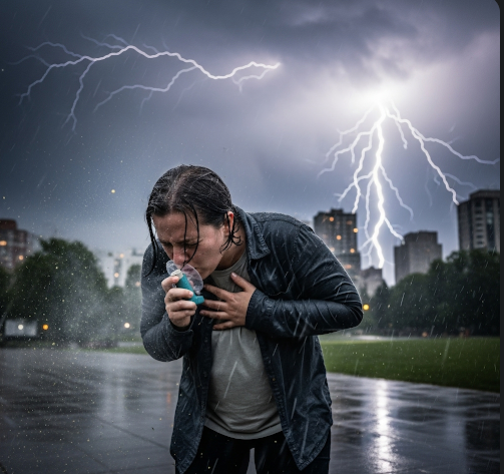
Thunderstorm asthma is a sudden and severe exacerbation of asthma symptoms triggered by specific weather conditions, particularly thunderstorms. This phenomenon occurs when high pollen counts coincide with strong winds, rain, and atmospheric changes, causing pollen particles to rupture into smaller fragments that can penetrate deep into the airways. South Korea, with its seasonal pollen variations and urban environmental factors, has seen cases of thunderstorm asthma, particularly in individuals with allergic rhinitis or pre-existing asthma. Korean healthcare providers focus on early recognition, emergency management, preventive measures, and public awareness to reduce the impact of these sudden asthma attacks.
What is Thunderstorm Asthma?
Thunderstorm asthma is a respiratory condition in which asthma symptoms are triggered or intensified during thunderstorms. It primarily affects individuals with pollen allergies, especially grass pollen, but can also impact those with dust mite or mold allergies. During thunderstorms, pollen grains absorb moisture, rupture into smaller particles, and become airborne. These micro-particles are easily inhaled into the lower respiratory tract, provoking severe bronchospasm, airway inflammation, and acute asthma attacks. In Korea, pulmonologists and allergists monitor environmental triggers and provide guidance on prevention and rapid intervention for high-risk individuals.
Symptoms
Symptoms of thunderstorm asthma can appear suddenly and escalate rapidly. Common manifestations include:
- Sudden shortness of breath and wheezing
- Tightness or pressure in the chest
- Persistent coughing, often worsening at night
- Difficulty speaking due to breathlessness
- Rapid or irregular heartbeat in severe attacks
- Nasal congestion or runny nose due to allergic response
- Panic or anxiety from sudden breathing difficulties
- Severe attacks may result in respiratory distress requiring emergency care
Because thunderstorm asthma can progress quickly, immediate recognition and management are critical.
Causes
Thunderstorm asthma is caused by a combination of environmental and physiological factors:
- Pollen exposure: High concentrations of grass, weed, or tree pollen during certain seasons
- Thunderstorm conditions: Strong winds, rainfall, and electrical activity cause pollen fragmentation and widespread distribution
- Airway sensitivity: Individuals with pre-existing asthma or allergic rhinitis have heightened airway reactivity
- Urban pollution: Air pollutants can aggravate respiratory inflammation and amplify the effects of pollen
Korean researchers study meteorological and allergen data to predict high-risk periods and issue public health warnings for susceptible populations.
Risk Factors
Certain individuals are more susceptible to thunderstorm asthma:
- People with a history of asthma, particularly those with allergic triggers
- Individuals with seasonal allergic rhinitis (hay fever)
- Children and young adults, who often exhibit higher airway sensitivity
- Residents in urban areas with high pollen and pollution levels
- Individuals not using preventative asthma medications or inhalers regularly
- People exposed to outdoor activities during thunderstorms or high-pollen periods
Identifying high-risk individuals in Korea allows clinicians and public health authorities to implement preventive measures effectively.
Complications
Thunderstorm asthma can lead to serious complications if not promptly treated:
- Severe bronchospasm and acute respiratory failure
- Increased risk of hospitalization or emergency care visits
- Exacerbation of chronic asthma, potentially leading to long-term airway remodeling
- Secondary infections due to compromised airway function
- Psychological distress, including anxiety and fear of outdoor exposure during thunderstorms
Korean healthcare facilities emphasize early intervention and patient education to prevent severe outcomes.
Prevention
Preventive measures are key to reducing the impact of thunderstorm asthma:
- Monitoring weather and pollen forecasts: Staying indoors during high-risk thunderstorms
- Medication adherence: Using preventer inhalers and asthma management plans consistently
- Emergency preparedness: Keeping reliever inhalers accessible at all times
- Indoor air quality: Using air purifiers and keeping windows closed during storms
- Allergen avoidance: Limiting outdoor exposure during peak pollen seasons
- Education and awareness: Understanding asthma triggers and symptoms for timely action
In South Korea, public health campaigns and hospital advisories often provide guidance during pollen-heavy seasons and adverse weather conditions to protect at-risk populations.
Treatment Options in Korea
Treatment for thunderstorm asthma in Korea involves rapid emergency care, ongoing asthma management, and preventive strategies:
Diagnosis:
- Clinical evaluation of symptoms and medical history
- Pulmonary function tests to assess airway obstruction
- Allergy testing to identify specific triggers, including pollen or mold
Medical Treatments:
- Reliever inhalers (short-acting bronchodilators): Used immediately during asthma attacks
- Preventive inhalers (corticosteroids or combination therapy): To reduce airway inflammation in high-risk individuals
- Oral medications: Antihistamines or leukotriene receptor antagonists for allergy management
- Oxygen therapy: In severe attacks to maintain adequate oxygen saturation
- Hospital-based interventions: Intravenous corticosteroids or nebulized bronchodilators for acute exacerbations
Supportive Care:
- Educating patients on asthma action plans and recognizing early warning signs
- Environmental control measures, such as staying indoors and using masks during high-pollen periods
- Regular follow-ups with pulmonologists or allergists to optimize long-term asthma control
Korean healthcare providers combine emergency preparedness, medical treatment, and public awareness programs to manage thunderstorm asthma effectively, ensuring rapid symptom relief and reducing the risk of severe complications.