Overview
Craniosynostosis is a birth defect in which one or more of the sutures in an infant’s skull close too early, before the brain has fully developed. This can result in abnormal head shapes and, in severe cases, increased pressure on the brain. In Korea, early diagnosis and surgical expertise offer children with craniosynostosis a high standard of care and excellent long-term outcomes.
What is Synostosis (Craniosynostosis)?
Craniosynostosis is a type of synostosis (abnormal bone fusion) that specifically affects the skull. The human skull is made up of several bones separated by sutures that allow for brain growth during infancy and early childhood. In craniosynostosis, one or more of these sutures close prematurely, leading to skull deformity and sometimes complications involving brain development.
Craniosynostosis may occur as:
- Nonsyndromic craniosynostosis: Isolated condition with no other abnormalities
- Syndromic craniosynostosis: Associated with genetic syndromes such as Apert, Crouzon, or Pfeiffer syndrome
Symptoms
Symptoms can vary depending on which suture is involved but often include:
- Abnormally shaped head
- Uneven growth of the skull
- Hard ridge along the affected suture
- Delayed or absent fontanelle (“soft spot”)
- Increased intracranial pressure (in severe cases), leading to:
- Vomiting
- Irritability
- Developmental delays
- Seizures
- Bulging fontanelle
Causes
The exact cause of craniosynostosis is not always known, but it may be:
- Genetic mutations: In genes like FGFR1, FGFR2, FGFR3, TWIST1
- Syndromes: Apert, Crouzon, Muenke, Pfeiffer, Saethre-Chotzen
- Environmental factors: Possibly linked to maternal smoking, thyroid medication, or fertility treatments
Risk Factors
- Family history of craniosynostosis or related syndromes
- Presence of certain genetic mutations
- Male infants (more common in some types)
- Advanced paternal age (linked to some genetic mutations)
Complications
- Increased intracranial pressure
- Developmental delays or intellectual disabilities
- Vision problems (due to pressure on the optic nerves)
- Breathing issues (especially with midface hypoplasia in syndromic forms)
- Hearing loss
- Dental abnormalities
- Psychosocial issues due to appearance
Prevention
There is no guaranteed way to prevent craniosynostosis, especially in cases caused by genetic mutations. However:
- Prenatal genetic counseling can help assess risk
- Avoiding harmful exposures during pregnancy (e.g., smoking, alcohol, certain medications)
- Early postnatal checkups and monitoring of head shape and growth
Treatment Options in Korea
Korea offers world-class pediatric neurosurgery and craniofacial surgery centers, making it a leading destination for diagnosing and treating craniosynostosis.
Diagnosis:
- Physical Examination: Evaluating head shape and suture ridging
- Imaging:
- CT scan with 3D reconstruction – gold standard for diagnosis
- MRI (in some cases to evaluate brain structures)
- Genetic Testing: Especially for suspected syndromic cases
Treatment Approaches:
1. Surgery
Surgery is typically the main treatment and is ideally performed between 3 to 12 months of age for optimal results.
- Open Cranial Vault Reconstruction:
- Reshapes the skull bones manually
- Best for more complex or multiple suture synostoses
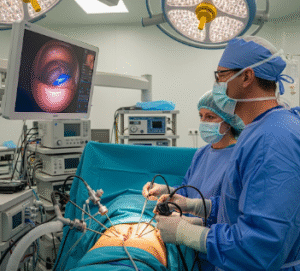
- Endoscopic-Assisted Strip Craniectomy:
- Minimally invasive
- Requires helmet therapy post-surgery
- Best for single suture cases in younger infants (under 6 months)
2. Helmet Therapy
- Often used after endoscopic surgery
- Custom helmets guide skull growth into a normal shape over time
3. Follow-Up Care
- Neurodevelopmental monitoring
- Ophthalmology and ENT evaluations
- Genetic counseling (for syndromic cases)
- Orthodontic/dental care in syndromic cases