Overview
Streptococcal infections are caused by a group of bacteria known as Streptococcus, responsible for a wide range of illnesses—from mild throat infections to life-threatening diseases. These infections are relatively common in Korea, especially during colder seasons and in school-aged children. South Korea’s healthcare system offers timely diagnosis and treatment, minimizing complications when managed early.
What is Streptococcal Infection?
A streptococcal infection is caused by Streptococcus bacteria, which are classified into several groups based on their cell wall structure. The most clinically significant are:
- Group A Streptococcus (GAS): Causes strep throat, impetigo, scarlet fever, and invasive infections like necrotizing fasciitis.
- Group B Streptococcus (GBS): Often found in the gastrointestinal and genital tracts; can cause serious infections in newborns, pregnant women, and immunocompromised individuals.
- Streptococcus pneumoniae: Causes pneumonia, meningitis, sinusitis, and ear infections.
Streptococcal infections can affect various parts of the body and range from mild to severe.
Symptoms
Symptoms depend on the type and location of the infection:
Group A Streptococcus (GAS):
- Sore throat with white patches (strep throat)
- Fever and chills
- Red rash (scarlet fever)
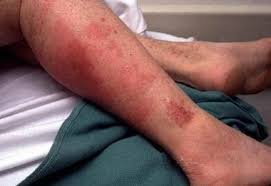
- Painful skin infections (cellulitis, impetigo)
- Swollen lymph nodes
Group B Streptococcus (GBS):
- In newborns: fever, lethargy, difficulty feeding, breathing problems
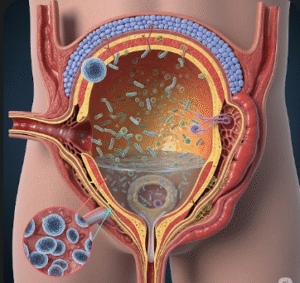
- In adults: urinary tract infections, blood infections, pneumonia
Streptococcus pneumoniae:
- Cough, chest pain, fever (pneumonia)
- Ear pain (otitis media)
- Headache, stiff neck, sensitivity to light (meningitis)
Causes
Streptococcal infections occur when Streptococcus bacteria enter the body through:
- Inhalation of respiratory droplets from an infected person
- Contact with open wounds or contaminated surfaces
- Mother-to-baby transmission during childbirth (especially with GBS)
- Spread from colonized sites (nose, throat, or genital tract)
In Korea, respiratory transmission is the most common, especially in schools and crowded public places.
Risk Factors
Risk factors for streptococcal infections include:
- Young age (children under 10 for strep throat; newborns for GBS)
- Close contact with infected individuals (household, school, military)
- Weakened immune system
- Chronic illnesses like diabetes or cancer
- Pregnancy (GBS colonization)
- Lack of vaccination (for pneumococcal infections)
Complications
If untreated or severe, streptococcal infections may lead to:
- Rheumatic fever (following untreated strep throat)
- Post-streptococcal glomerulonephritis (kidney inflammation)
- Pneumonia and respiratory failure
- Blood infections (sepsis)
- Meningitis
- Necrotizing fasciitis (“flesh-eating disease”)
South Korea has protocols for early detection of these complications, particularly in emergency departments and neonatal units.
Prevention
Several strategies can reduce the risk of streptococcal infections:
- Hand hygiene: Frequent handwashing, especially after coughing or sneezing
- Avoid close contact with people with sore throat or skin infections
- Pneumococcal vaccination: Recommended for children, the elderly, and high-risk adults
- Prenatal GBS screening: Standard for pregnant women in Korea (35–37 weeks)
- Prompt treatment of strep throat to prevent complications
Treatment Options in Korea
Korean medical centers provide highly effective and timely treatment for streptococcal infections, with access to diagnostics, antibiotics, and inpatient care when necessary.
Diagnosis
- Rapid antigen detection test (RADT): Used in clinics for strep throat
- Throat swab culture: Gold standard for confirming GAS
- Blood cultures and urine tests: For systemic or GBS infections
- Chest X-ray or CT scan: If pneumonia is suspected
- PCR testing: For fast and accurate bacterial identification in severe cases
Medical Treatments
- Antibiotics: Penicillin, amoxicillin, cephalosporins, or macrolides depending on resistance patterns
- Pain relief and fever control: Acetaminophen or ibuprofen
- IV antibiotics: For severe or invasive infections (e.g., sepsis, meningitis)
- Supportive care: Fluids, oxygen, or hospitalization if necessary
Korea maintains updated national antibiotic guidelines to address rising antibiotic resistance.
Surgical or Advanced Therapies
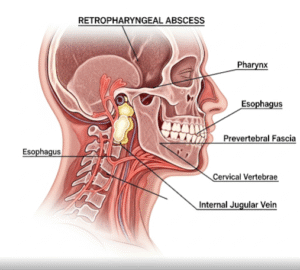
- Surgical drainage: For abscesses or deep tissue infections
- Debridement: For necrotizing fasciitis in specialized trauma or infection centers
- ICU support: Available in tertiary hospitals for critical infections like toxic shock syndrome
Rehabilitation and Support
- Follow-up care: Especially after complications like rheumatic fever or kidney involvement
- Speech and developmental support: For children recovering from GBS-related meningitis
- Infection control guidance: For families or caregivers of affected children