Overview
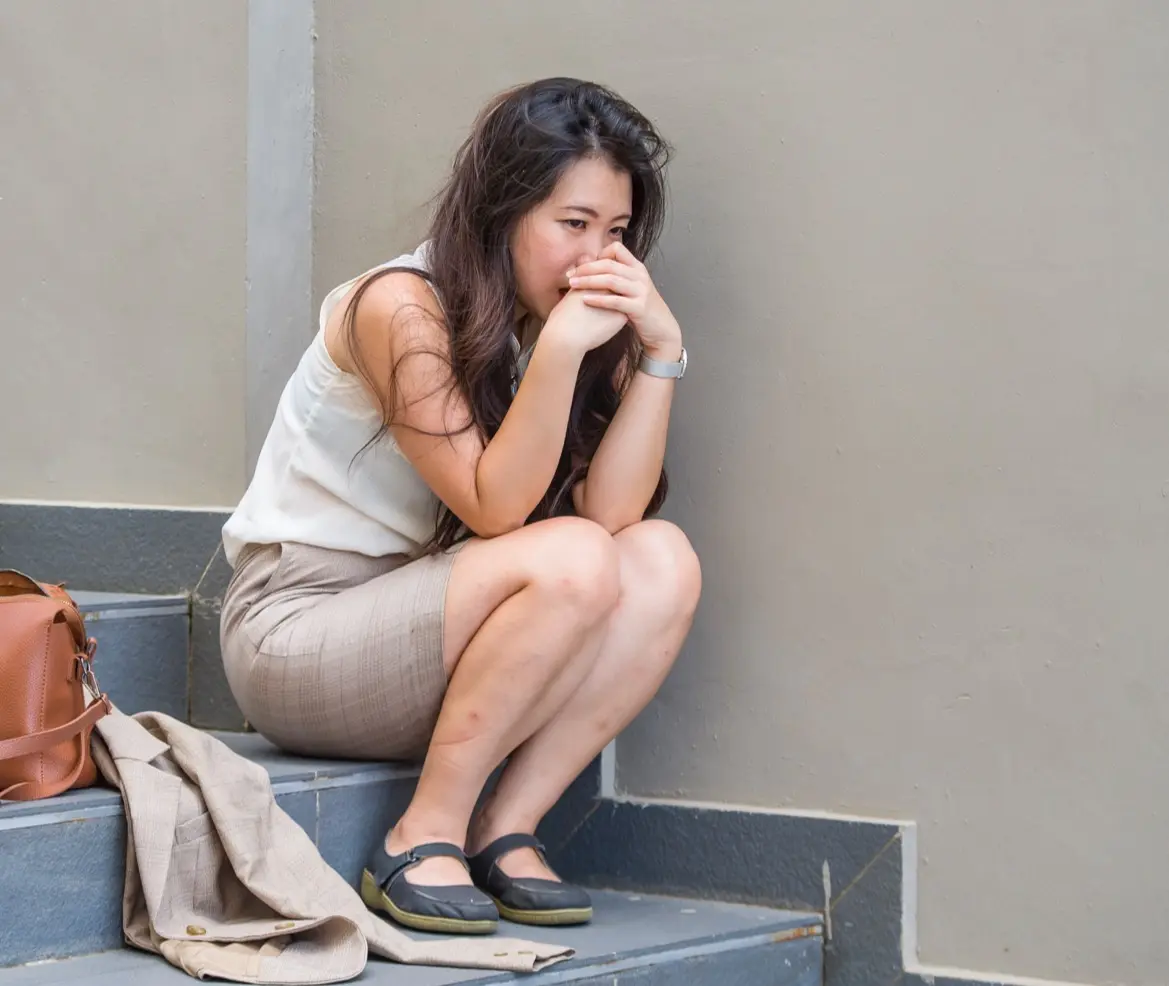
Social anxiety, also known as Social Anxiety Disorder (SAD), is a mental health condition characterized by an intense fear of being judged or negatively evaluated in social situations. In Korea, the societal emphasis on appearance, performance, and conformity can increase the pressure to fit in, making social anxiety particularly prevalent among students, young professionals, and those in competitive work environments.
What is Social Anxiety?
Social anxiety is more than just shyness. It is a persistent and overwhelming fear of social interactions and situations where one might be scrutinized. People with this condition often avoid public speaking, meeting new people, or even everyday social activities like eating in public or making phone calls.
In Korea, cultural values that prioritize modesty, saving face, and group harmony may reinforce the avoidance behaviors common in social anxiety.
Symptoms
- Intense fear of being judged, criticized, or humiliated
- Avoiding eye contact or social interactions
- Blushing, trembling, or sweating in social situations
- Nausea or stomach discomfort before or during social encounters
- Difficulty speaking or making small talk
- Overanalyzing interactions after they occur
- Avoidance of public places like restaurants, meetings, or classrooms
Causes
Social anxiety disorder develops from a mix of genetic, environmental, and psychological factors:
- Family history of anxiety or mental health conditions
- Negative early social experiences, such as bullying or embarrassment
- Overprotective or critical parenting
- Brain structure: Overactivity in the amygdala (fear response center)
- High societal expectations and fear of social failure
Risk Factors
- Having a parent or sibling with anxiety
- Childhood shyness or withdrawal
- History of bullying, teasing, or public humiliation
- High-pressure environments like elite schools or corporate jobs in Korea
- Cultural factors promoting perfectionism and fear of “losing face”
- Co-occurring disorders such as depression or other anxiety disorders
Complications
If untreated, social anxiety can significantly disrupt daily life:
- Isolation and loneliness
- Low self-esteem
- Academic or work performance problems
- Substance abuse as a coping mechanism
- Depression or other anxiety-related conditions
- Difficulty forming or maintaining relationships
Prevention
While not always preventable, the following strategies may reduce severity or risk:
- Encouraging open communication in families
- Early intervention for shy or withdrawn children
- Teaching social skills and confidence-building in school programs
- Reducing stigma around mental health in Korean culture
- Encouraging supportive peer and work environments
Treatment Options in Korea
- Diagnosis
- Conducted through psychological interviews, standardized questionnaires, and observation
- Evaluated by psychiatrists or licensed psychologists, often at mental health clinics or university hospitals
- Must differentiate from general shyness or introversion
- Psychotherapy
- Cognitive Behavioral Therapy (CBT) is the most effective treatment
- Helps patients recognize and restructure negative thoughts
- Encourages gradual exposure to feared situations
- Mindfulness-based therapy and acceptance commitment therapy (ACT) are also gaining popularity in Korea
- Group therapy is used in some clinics to practice social interactions
- Medication
- SSRIs (Selective Serotonin Reuptake Inhibitors) such as escitalopram or paroxetine
- Beta-blockers for situational anxiety (e.g., public speaking)
- Anti-anxiety medications (short-term use only)
- All prescriptions are managed by psychiatrists at hospitals or private clinics
- Support Programs and Counseling
- Many Korean universities and companies provide access to on-site counselors
- Public mental health centers (보건소 정신건강복지센터) offer free or low-cost consultations
- Online therapy platforms and telemedicine options are increasingly available
- Leading Clinics and Institutions
- Seoul National University Hospital – Department of Psychiatry
- Yonsei University Severance Hospital – Anxiety Disorder Clinic
- Samsung Medical Center – Stress Clinic
- Korea University Anam Hospital – Counseling & Wellness Services
- Community and Self-Help Resources
- Support groups (offline and online) for people with anxiety
- Mobile apps in Korean for mental health support (e.g., 마음치유앱)
- Self-help books and YouTube channels by Korean psychologists promoting emotional well-being