Overview
Seizures are sudden, uncontrolled electrical disturbances in the brain that can cause changes in behavior, movements, feelings, or consciousness. In Korea, seizures are commonly recognized and treated by neurologists in both children and adults. Seizures may occur once or repeatedly, and recurrent seizures are often classified as epilepsy.
What is Seizures?
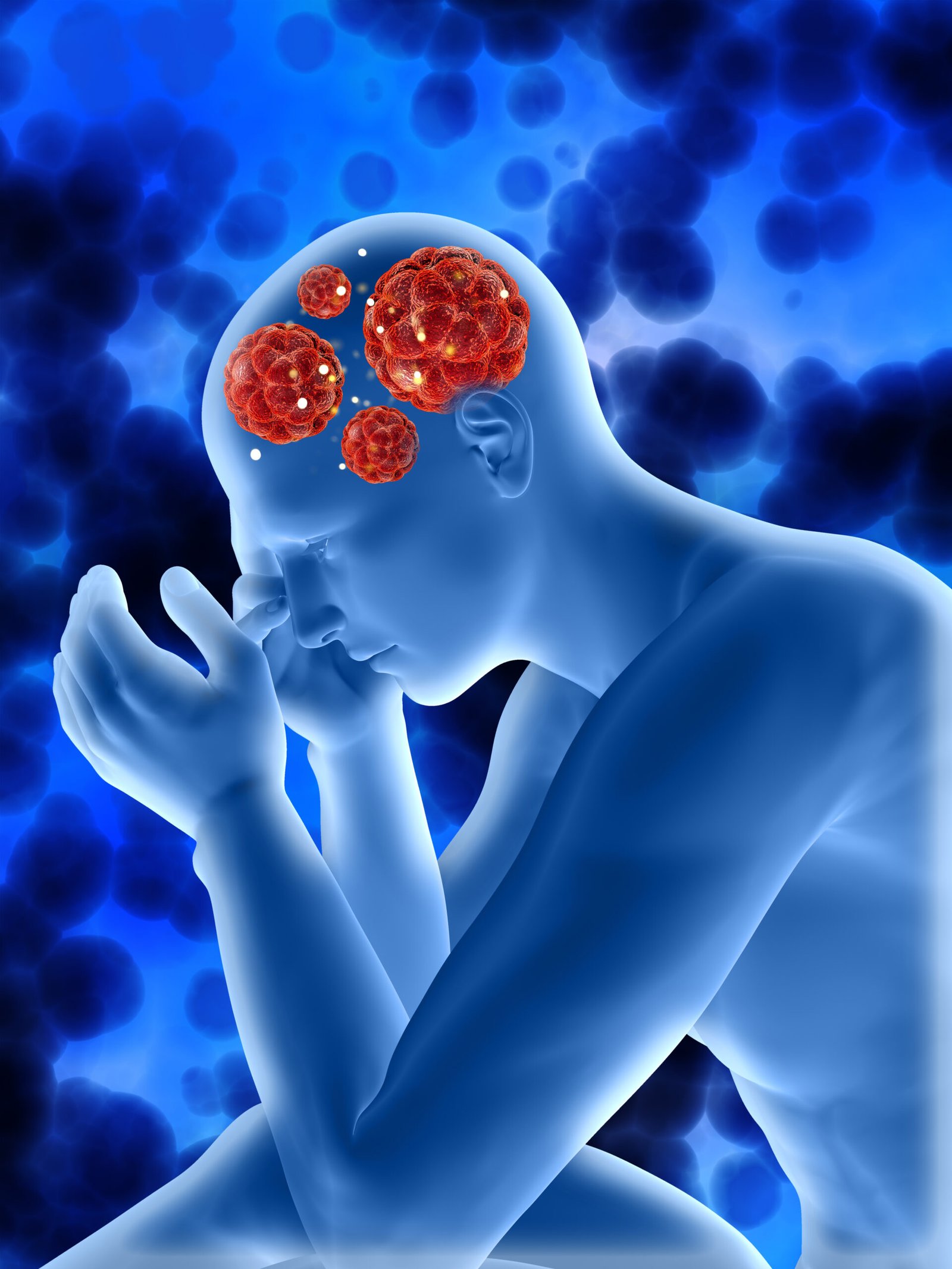
A seizure is a brief episode of abnormal electrical activity in the brain. Seizures can present in many forms—from subtle lapses in attention to violent muscle convulsions. While some seizures are triggered by specific causes like fever or trauma, others may happen without an identifiable reason.
Seizures are categorized into two main types:
- Focal seizures (partial): Begin in one area of the brain
- Generalized seizures: Involve both sides of the brain
Common subtypes include absence seizures, tonic-clonic seizures, myoclonic seizures, and atonic seizures.
Symptoms
Symptoms vary based on the type and part of the brain affected:
- Sudden confusion or disorientation
- Uncontrollable jerking movements (especially arms and legs)
- Staring spells or brief loss of awareness
- Lip smacking or repeated movements
- Temporary paralysis or numbness
- Loss of consciousness or awareness
Causes
Seizures can result from various causes, including:
- Epilepsy
- High fever (febrile seizures)
- Head trauma or brain injury
- Stroke
- Brain tumor or infection (e.g., meningitis)
- Low blood sugar or electrolyte imbalance
- Alcohol or drug withdrawal
- Genetic disorders
Risk Factors
Several factors can increase the risk of experiencing seizures:
- Family history of epilepsy or seizures
- Brain injury or surgery
- Neurological disorders or infections
- Substance abuse
- Sleep deprivation
- Developmental delays in children
Complications
Without proper management, seizures may lead to:
- Accidents or injury during a seizure (falls, burns)
- Prolonged seizures (status epilepticus)
- Increased risk of epilepsy with recurrent seizures
- Mental health issues like anxiety or depression
- Learning difficulties in children
Prevention
Although not all seizures can be prevented, some preventive strategies include:
- Avoiding head trauma with protective gear
- Treating underlying infections or medical conditions promptly
- Managing stress and maintaining regular sleep
- Avoiding known seizure triggers (flashing lights, alcohol, etc.)
- Adhering to prescribed treatments for known neurological conditions
Treatment Options in Korea
South Korea has advanced neurology services and epilepsy centers that provide comprehensive care for people experiencing seizures.
1. Accurate Diagnosis
- EEG (electroencephalogram) to record brain activity
- Brain imaging: MRI or CT scans
- Blood tests to detect infections or metabolic issues
2. Medications
- Anti-seizure medications (e.g., levetiracetam, valproic acid, carbamazepine)
- Customized treatment plans based on seizure type and age
- Monitored for side effects and effectiveness
3. Surgical Interventions
- Considered when seizures are drug-resistant
- Options include lobectomy, corpus callosotomy, or lesion removal
- Available at top-tier hospitals after detailed evaluation
4. Other Therapies
- Vagus Nerve Stimulation (VNS): A device implanted to reduce seizures
- Ketogenic Diet: Especially useful in children with hard-to-treat epilepsy
- Cognitive Therapy: To address anxiety or memory issues linked to seizures
5. Emergency Care
- Hospitals are well-equipped to handle status epilepticus and severe seizure cases
- Emergency departments have protocols for fast, effective seizure control